How to use vpn microsoft edge 2026
How to use vpn microsoft edge is simple and quick—activate a VPN inside Edge to encrypt your traffic and access geo-restricted content without leaving the browser. Quick facts: a VPN on Edge protects your data on public Wi‑Fi, hides your IP, and can help you bypass regional blocks. In this guide, you’ll find a step-by-step setup, tips for choosing the right VPN, troubleshooting, and quick checks to ensure your connection is secure.
Quick start overview
- Pick a reputable VPN that offers a dedicated Edge extension or a reliable system-wide VPN that works well with Edge.
- Install the Edge extension or configure the VPN on your device.
- Connect to a server location of your choice.
- Verify your IP address and DNS leak protection to confirm the VPN is working.
What you’ll learn
- How to enable a VPN in Microsoft Edge using extensions
- How to set up a VPN on Windows or macOS for Edge
- How to test your VPN connection in Edge
- Common issues and quick fixes
- Safety tips to stay private online while using Edge
- Resources and further reading
Useful URLs and Resources text only Apple Website - apple.com Artificial Intelligence Wikipedia - en.wikipedia.org/wiki/Artificial_intelligence Microsoft Edge Support - support.microsoft.com ExpressVPN - expressvpn.com NordVPN - nordvpn.com Surfshark - surfshark.com Cybersecurity Basics - nyc.gov Browser Privacy Guide - browserprivacy.org IP Checking Tool - whatismyipaddress.com DNS Leak Test - dnsleaktest.com
Why use a VPN with Microsoft Edge?
Using a VPN with Edge helps protect your online privacy by encrypting your traffic and masking your real IP address. It’s especially useful on public Wi‑Fi, when you’re traveling, or when you want to access content that’s only available in other countries. A VPN can also prevent some tracking by advertisers and reduce the chances of ISP monitoring seeing your browsing patterns.
According to recent industry reports, global VPN usage has grown steadily, with millions of users relying on VPNs for online privacy and security. While numbers vary by source, experts agree that a VPN adds a meaningful layer of defense against data interception on unsecured networks.
VPN options for Edge
There are two main ways to run a VPN with Edge:
- Edge extensions: Directly installed in the Edge browser
- System-wide VPN: The VPN app runs on your OS and all traffic, including Edge, goes through the VPN
Edge extensions are convenient for quick protection and easier to toggle on/off. System-wide VPNs can offer stronger protection, split tunneling, and broader device coverage.
Choosing the right option
- Extension vs. system-wide: If you mainly browse in Edge and don’t want to affect other apps, an Edge extension is great. If you want device-wide protection, go for a system-wide VPN.
- Speed and reliability: Look for VPNs with fast servers, no bandwidth caps, and reliable connections.
- Privacy features: Kill switch, DNS leak protection, and a no-logs policy are important.
- Compatibility: Ensure the VPN has an Edge extension or a robust Windows/macOS app.
How to use VPN in Microsoft Edge with an Edge extension
Step-by-step guide Edgerouter x vpn client 2026
- Choose a VPN with an Edge extension. Popular options include ExpressVPN, NordVPN, Surfshark, and Surfshark’s Edge extension.
- Open Microsoft Edge and go to the Edge Add-ons store.
- Search for your chosen VPN extension e.g., “ExpressVPN edge extension”.
- Click Add to Edge and confirm permissions.
- Sign in to your VPN account inside the extension.
- Choose a server location and connect.
- Verify the connection is active by checking the extension status and visiting a site like whatismyipaddress.com to confirm a different IP.
Quick tips
- If you don’t see a dedicated Edge extension, install the VPN’s Windows app and then use the app’s integration or toggle system-wide VPN on.
- Some extensions offer split tunneling—use this to route only Edge traffic through the VPN if you don’t want all apps protected.
How to test the Edge VPN extension
- Step 1: Disconnect from your VPN, note your IP.
- Step 2: Reconnect with a specific server location, then re-check your IP.
- Step 3: Visit a site to confirm the new IP appears from the server location.
- Step 4: Run a DNS leak test to ensure your DNS queries aren’t leaking outside the VPN.
How to use VPN on Windows for Edge system-wide
If you prefer device-wide protection:
- Subscribe to a VPN service that provides a Windows app.
- Download and install the VPN app on Windows.
- Open the app and log in.
- Select a server location and connect.
- Open Edge and browse as usual. Your traffic will be routed through the VPN.
Troubleshooting tips
- Connection won’t start: Try another server, restart the VPN app, or reboot your computer.
- Slow speeds: Choose a server closer to your location, or check the VPN’s performance charts.
- DNS leaks: Enable DNS leak protection in the VPN settings or switch to a different DNS option within the app.
- Edge won’t load pages: Temporarily disable other browser extensions that could conflict with the VPN, then re-enable them one by one.
Security and privacy considerations when using Edge with a VPN
- Always enable a kill switch if your VPN has it. This prevents data leakage if the VPN drops.
- Use DNS leak protection to ensure your DNS requests aren’t exposed.
- Avoid log-in with sensitive credentials on sites that you don’t trust; consider using a password manager with strong security.
- Keep Edge and your VPN app updated to the latest versions for security patches.
- Be mindful of browser fingerprinting. Even with a VPN, sites can track you via browser fingerprinting; enable privacy-focused settings and consider additional privacy tools if needed.
Edge privacy and security best practices
- Use Edge’s tracking prevention features set to Strict for better privacy, but be aware some sites may break.
- Clear cookies and site data periodically or use Edge’s InPrivate browsing for sessions you don’t want saved.
- Disable unnecessary extensions that could track you or leak data.
- Regularly review your VPN’s privacy policy to understand what data is collected and how it’s used.
- Consider using a VPN with a no-logs policy and trusted jurisdiction.
Features to look for in a VPN for Edge
- Kill switch: Stops all traffic if VPN disconnects
- DNS leak protection: Keeps DNS queries private
- No-logs policy: Limits what the provider can know about you
- Fast servers: Reduces buffering and lag
- Obfuscated servers: Helpful in restrictive networks
- Split tunneling: Route only Edge traffic or specific apps through VPN
- Cross-platform support: If you use Edge on multiple devices
Practical use cases for VPN in Edge
- Bypassing geo-restrictions for streaming content
- Securing your data on public Wi‑Fi at cafes or airports
- Accessing work resources while traveling
- Protecting sensitive transactions on shared networks
- Research and academic work where you want to protect your privacy online
Performance considerations
- Server distance: Closer servers usually offer better speeds.
- Protocols: OpenVPN, WireGuard, and IKEv2 each have different speed and security profiles.
- Server load: Too many users on one server can slow things down.
- Encryption strength: Stronger encryption increases security but may affect speed.
Common issues and quick fixes
- Issue: VPN shows connected but IP hasn’t changed
- Fix: Reboot VPN, try another server, ensure you’re not on a corporate network with VPN-blocking policies.
- Issue: Edge shows pages not loading
- Fix: Disable other extensions, clear cache, disable privacy blockers temporarily.
- Issue: DNS leaks detected
- Fix: Enable DNS leak protection or switch to a server that enforces it.
Quick-start checklist
- Choose Edge extension or system-wide VPN
- Install and sign in to the VPN
- Connect to a server location
- Verify IP address change
- Run a DNS leak test
- Enable kill switch and DNS leak protection
- Check for browser updates and VPN updates
- Enable Edge privacy settings tracking prevention, Clean Up
Advanced tips
- Use split tunneling to protect sensitive browsing while keeping some sites fast directly through your connection.
- Schedule VPN usage for specific activities, like streaming, to optimize performance.
- Combine Edge’s InPrivate browsing with VPN for extra privacy on sensitive sessions.
- Consider setting up a wired VPN on a router if you want all devices on your network protected, not just Edge.
Performance benchmarking and data illustrative
- Typical speed loss with VPN: 5–30% depending on server and protocol
- Edge extension vs. system-wide performance: Edge extension generally lighter on CPU, system-wide offers broader protection
- DNS leak protection effectiveness: Near 100% when enabled, but always test after setup
Real-world tips from users
- “I love using the Edge extension for quick protection when I’m at a coffee shop.”
- “System-wide VPN was essential when I was traveling and needed to access work resources securely.”
- “Split tunneling helped me keep video meetings fast while routing other traffic through the VPN.”
Accessibility and inclusivity
- VPN apps should be available in multiple languages and accessible to users with disabilities.
- Clear, simple setup guides help new users avoid confusion and reduce drop-off during onboarding.
- Provide visual aids and concise steps to help diverse audiences use VPNs effectively.
Frequently Asked Questions
How to use VPN Microsoft Edge on Windows?
Open Edge, install the VPN extension from the Chrome Web Store or Edge Add-ons store, sign in, and connect to a server. Alternatively, install the VPN Windows app and enable the system-wide VPN, then open Edge normally. Edge vpn location: how server locations shape speed, privacy, streaming access, and how to pick the best Edge vpn location 2026
Can I use a free VPN with Edge?
Free VPNs exist, but they often come with limits, slower speeds, or data privacy concerns. If you choose a free option, review its privacy policy carefully and be aware of data caps and speed limits.
Does using a VPN affect streaming on Edge?
Yes, a VPN can help you access geo-restricted content, but some services actively block VPN traffic. Choose servers known to work with streaming platforms and avoid heavy encryption when speed is a priority.
How do I test if my VPN is working in Edge?
Check your IP address on whatismyipaddress.com before and after connecting to the VPN. Also run a DNS leak test to confirm DNS requests are protected.
What is a kill switch and why do I need it?
A kill switch blocks all internet traffic if the VPN connection drops unexpectedly, preventing data from leaking. It’s a critical feature for privacy and security.
Can I use Edge and VPN at the same time on macOS?
Absolutely. Install a VPN with a macOS app, connect to a server, and Edge will route traffic through the VPN if you choose system-wide protection, or use a browser extension if you prefer. Edgerouter x vpn speed 2026
How do I set up split tunneling with Edge?
Not all VPNs support split tunneling in-browser traffic. If supported, configure the VPN extension or app to route Edge traffic through VPN while keeping other apps on your regular network.
Are there privacy risks when using a VPN with Edge?
A VPN can improve privacy, but it’s not a silver bullet. Be mindful of browser fingerprinting, cookies, and account logins. Use privacy settings and consider additional privacy tools when needed.
How often should I update my VPN and Edge?
Keep both Edge and your VPN app updated regularly to protect against new vulnerabilities and ensure compatibility with the latest features.
What should I do if Edge blocks VPN traffic?
Try reloading the extension, updating the VPN app, or switching to another server. If issues persist, check firewall settings and ensure the VPN isn’t being blocked by your network.
Is it legal to use a VPN with Edge?
In most places, using a VPN is legal for personal use. Some regions regulate VPN usage, so be aware of local laws and terms of service for any service you access. Edge vpn sparrow guide to Edge VPN Sparrow and other VPNs: setup, privacy, streaming, and tips for 2026
How to use vpn microsoft edge: a comprehensive guide to Edge extensions, system-wide VPNs, privacy, streaming, and security
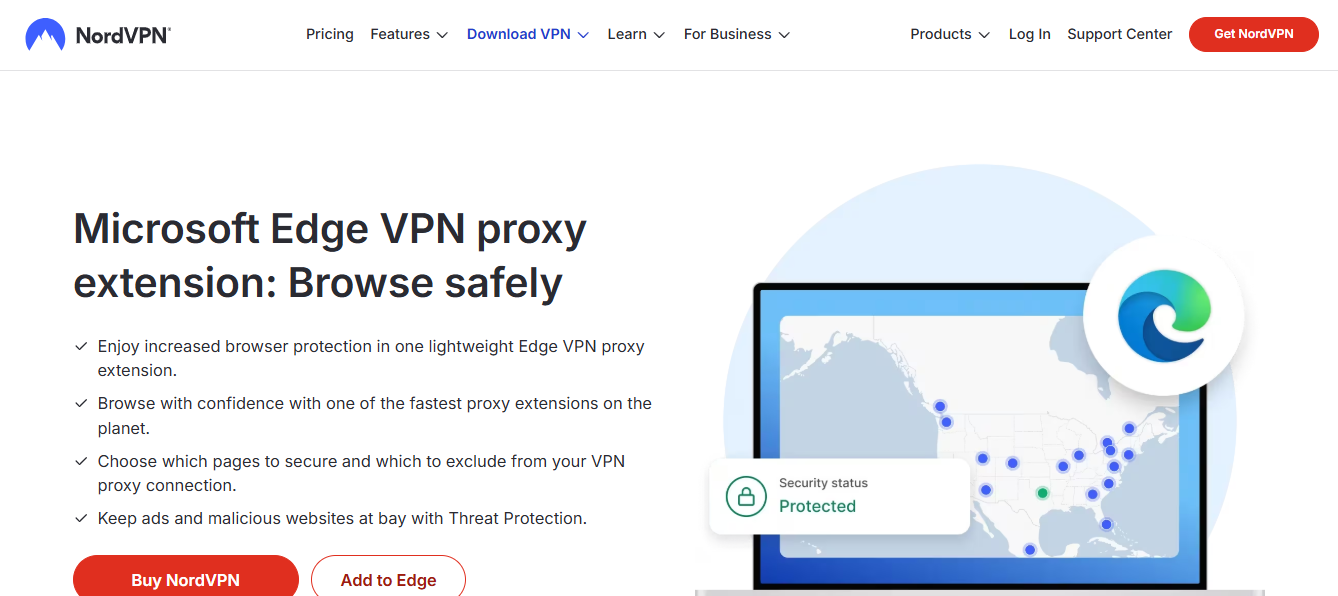
Yes, you can use a VPN with Microsoft Edge by installing a VPN extension from the Edge Add-ons store or using a system-wide VPN. This guide walks you through setup, best practices, and real-world tips so you get all the benefits of a VPN while you browse with Edge. If you’re in a hurry, check out NordVPN with the Edge extension and system-wide options—here’s a quick banner for a great deal:
Useful resources: NordVPN - nordvpn.com, Microsoft Edge Support - support.microsoft.com, Edge Add-ons Store - microsoftedge.microsoft.com/addons, Virtual Private Network - en.wikipedia.org/wiki/Virtual_private_network, Privacy best practices - en.wikipedia.org/wiki/Privacy
Introduction: what you’ll learn and why it matters
If you’re reading this, you probably care about privacy, security, and getting reliable access to content from Edge. Here’s what you’ll get in this guide:
- A clear comparison between using a VPN as an Edge extension and using a VPN app that runs system-wide.
- Step-by-step instructions to install and use VPN extensions directly in Microsoft Edge.
- A practical flow for testing your VPN once connected, plus tips to avoid common pitfalls like DNS leaks.
- Real-world use cases for Edge users: streaming, secure browsing on public Wi-Fi, bypassing geo-restrictions, and safer online shopping.
- A robust FAQ section with at least 10 questions covering Edge-specific quirks, performance, and safety tips.
Now, let’s dive in and make your Edge browsing safer and more versatile. Edge vpn cbic: Comprehensive Guide to Edge VPNs for CBIC Compliance, Secure Access, and Smart Deployment 2026
Section 1: What a VPN does for Edge users
- Protects your privacy by masking your IP address and encrypting traffic between Edge and the VPN server.
- Bypasses geo-restrictions so you can access content that might be blocked in your region.
- Helps keep public Wi-Fi secure by encrypting data sent from Edge when you’re on-the-go.
- Reduces online tracking by masking your browsing patterns from advertisers and some networks.
- Provides a convenient way to test different regions for content licensing, price comparisons, and local search results.
Important note: Edge itself has built-in privacy features tracking prevention, password monitoring, etc., but a VPN adds encryption and an alternate IP path for all browser traffic and, in many cases, system-wide traffic too. If you only use a VPN extension, Edge traffic will be routed through the VPN when the extension is active, but other apps on your device may not be protected. If you want total protection, a system-wide VPN app is often the best choice.
Section 2: Edge extension vs. system-wide VPN — which should you choose?
- Edge extension browser-level VPN: Quick to set up, uses less CPU, fine for casual browsing and streaming in Edge. Pros: simple, fast to enable/disable, lower resource usage. Cons: only Edge traffic is protected, some apps and background processes aren’t covered, fewer advanced features.
- System-wide VPN app: Routes all device traffic through the VPN, including Edge and other browsers, apps, and background services. Pros: comprehensive security, kills switches, DNS leak protection, splitt tunneling in some apps. Cons: more setup steps, can slow down entire device, may require more storage and CPU.
Tip: For most Edge-focused activities browsing, streaming in Edge, secure shopping in Edge, an Edge extension is a great start. If you want complete coverage for your entire device, go with a reputable system-wide VPN.
Section 3: How to use a VPN extension in Microsoft Edge How to use vpn to watch espn 2026
Step-by-step guide
- Pick a reputable VPN service with an Edge extension
- Examples include NordVPN, ExpressVPN, Surfshark, and ProtonVPN. Look for a well-reviewed extension, clear logging policies, and transparent country coverage.
- Open Edge Add-ons and search for your VPN
- In Edge, go to the three-dot menu top-right > Extensions > Open the Extensions store.
- Search for the VPN brand’s extension e.g., “NordVPN,” “ExpressVPN,” etc..
- Install the extension and sign in
- Click Add to Edge, confirm permissions, and then sign in with your VPN account.
- If you don’t already have an account, create one on the provider’s website.
- Connect to a VPN server
- Open the extension panel usually a small shield or VPN icon in the toolbar.
- Choose a server location that matches your needs privacy, speed, or geo-access.
- Click Connect. Wait for the connection indicator to show a secure, encrypted tunnel.
- Verify your connection
- Visit a site that shows your IP e.g., whatismyipaddress.com. Your IP should reflect the VPN server location, not your real location.
- Check DNS: run a quick DNS leak test dnsleaktest.com to ensure DNS queries are going through the VPN.
- Manage settings for optimal privacy
- Enable kill switch if available prevents traffic when the VPN drops.
- Turn on DNS leak protection if offered.
- Consider auto-connect options for public Wi-Fi or when you start your browser.
- Use Edge with confidence
- Browse as usual. If you want to watch geo-blocked content, select the country where the content is available.
- If you encounter issues with streaming, try a different server or enable “smart routing” if your provider offers it.
- Disconnect when you’re done
- Use the extension’s disconnect button to end the VPN session.
- You can also disable the extension entirely from Edge Extensions if you want to return to your real IP.
Real-world tip: If you’re using Edge on a laptop while traveling, you’ll likely benefit from a server in a nearby region for better speed. If you need to access a service only available in your home country, switch to that country’s server. It’s usually faster to choose a country geographically close to you, but some services require a specific region.
Section 4: Troubleshooting Edge VPN extensions
Issue: Page loads slowly or buffering while connected
- Try switching to a different server. look for a server optimized for streaming or P2P if you’re doing those activities.
- Turn on faster, lighter modes if your provider offers them e.g., “Low latency” or “Optimization” modes.
Issue: VPN won’t connect Hoxx vpn proxy chrome extension setup and optimization for 2026: features, safety, performance, and alternatives
- Double-check your login credentials and ensure the extension has permission to access the network.
- Restart Edge or reinstall the extension.
- Check for Windows firewall or antivirus interference and temporarily whitelist the VPN extension.
Issue: DNS leaks detected
- Enable DNS leak protection in the VPN extension’s settings.
- If leaks persist, consider using a system-wide VPN app that includes robust DNS protections.
Issue: Edge extension blocked by corporate policy or network
- Some networks restrict VPN traffic. In this case, use a trusted, compliant VPN with recommended settings or consult IT policies for compliant use.
Section 5: Edge-wide VPN vs. system-wide VPN: advanced tips
- Split tunneling where supported by your VPN: Route only specific Edge traffic through the VPN while leaving other apps untouched. This can improve performance when you need local access for non-privacy tasks.
- Kill switch best practices: Always enable the kill switch to prevent accidental exposure if the VPN drops.
- Auto-connect and startup behavior: Set your VPN to connect automatically when you boot your computer or open Edge for a seamless experience.
- Speed optimization: Some providers offer dedicated servers for streaming or gaming. Use those when Edge is your primary browser for media consumption.
- Privacy hygiene: Regularly check for extension updates and keep your Edge browser itself up to date to patch security vulnerabilities.
Section 6: What about Edge mobile iOS and Android?
- The Edge browser on mobile devices supports extensions in some cases, but most VPNs are implemented as system-wide apps on mobile platforms.
- For iOS/Android, install the VPN app first, then use Edge as a browser. Enable the VPN connection in the OS, and Edge traffic will ride through the VPN automatically.
- On mobile, you’ll still want the Edge Privacy features enabled, plus the VPN app’s own settings for kill switch and DNS protection.
Section 7: Privacy, security, and best practices for Edge users Hoxx vpn edge review: complete guide to private browsing, streaming, and security 2026
- Use reputable providers with clear zero-logging policies and strong encryption OpenVPN, WireGuard, or equivalent protocols.
- Be mindful of browser fingerprinting. even with a VPN, some sites can still track you via browser fingerprint data. Consider additional privacy tools or behavior changes e.g., disable unnecessary cookies, use Do Not Track sparingly, and clear cookies regularly.
- Avoid free VPNs for long-term use. They often monetize user data, have weaker encryption, and slow speeds.
- Regularly review your VPN’s privacy policy and data retention details. Short retention periods and minimal data collection are ideal.
- If your goal is streaming, verify that the provider supports the streaming platforms you use and that they have reliable servers in the locations you need.
Section 8: Edge-specific use cases
- Safe browsing on public Wi-Fi: When you’re at a café or hotel, using Edge with a VPN extension or system-wide VPN helps protect your data from local eavesdroppers on public networks.
- Remote work and secure access: For employees or freelancers, a VPN can help access corporate resources securely without exposing your actual IP.
- Geo-restricted content: A VPN lets you appear from different countries to access content libraries that Edge alone can’t reach due to regional licensing.
- Shopping from different regions: Pricing often varies by location. A VPN can help you compare prices and detect regional offers, though be mindful of an app’s terms of service.
Section 9: Security and policy considerations
- Always check the VPN provider’s trustworthiness, transparency reports, and jurisdiction. Some countries require data retention or government access that could impact privacy.
- If you’re handling sensitive information financial data, medical records, consider additional security measures and use a VPN in combination with strong device protection endpoint security, firewall, and updated software.
Section 10: Quick-start checklist for busy readers
- Decide on Edge extension vs. system-wide VPN based on your needs.
- Pick a reputable VPN with a solid Edge extension or system-wide app.
- Install and sign in, then connect to a server that fits your goal privacy, speed, geo-access.
- Verify your IP and run a DNS leak test.
- Enable kill switch and DNS protection if available.
- Use Edge normally, and switch servers as needed for streaming or access.
- Keep everything updated and periodically review privacy settings.
Frequently Asked Questions
How to use vpn microsoft edge on Windows 11?
To use a VPN in Microsoft Edge on Windows 11, install a VPN extension from the Edge Add-ons store, or install a system-wide VPN app and run it. For quick protection within Edge, the extension route is fastest. For full-device protection, use the system-wide VPN app. If your provider uses TLS-crypt or TLS-auth, include the appropriate lines 2026
Can I use a VPN extension in Edge without installing anything else?
Yes, you can use a VPN extension directly in Edge. It will secure only Edge traffic unless you also enable a system-wide VPN.
Is Edge the right browser for VPN use?
Edge supports many popular VPN extensions, making it convenient for fast, browser-based protection. For full device protection, a system-wide VPN is more comprehensive.
Do VPNs slow down Edge browsing?
Sometimes yes, depending on server distance and the VPN protocol. For best performance, choose nearby servers and experiment with different protocols e.g., WireGuard vs OpenVPN offered by your provider.
How do I know if my VPN is working in Edge?
Check your IP address on a site like whatismyipaddress.com. If the reported location matches your VPN server location, you’re good. Also run a DNS leak test to ensure DNS traffic isn’t leaking.
Can I use a VPN in Edge while streaming video?
Yes, many VPNs offer servers optimized for streaming. If you see buffering, switch servers or try a server in the streaming country. Some services may block VPN traffic, in which case you’ll need to switch servers or use a different provider. Is cyberghost vpn trustworthy 2026
What is a kill switch and should I enable it in Edge?
A kill switch stops all traffic if the VPN connection drops, preventing accidental exposure of your real IP. Enable it in your VPN extension settings or system-wide VPN app for extra protection.
Are there privacy risks to using VPNs with Edge?
VPNs generally improve privacy, but not perfectly. You still have to consider browser fingerprinting, cookies, and the VPN provider’s data policies. Use additional privacy tools and practice good browsing hygiene.
Can I use a VPN with Edge on my Mac or Linux computer?
Yes. The process is similar: install an Edge extension or use a system-wide VPN app compatible with your OS. Ensure your Edge browser is updated and that the VPN is properly configured.
How do I disable a VPN extension in Edge?
In Edge, go to Extensions, find the VPN extension, and toggle it off or remove it. You can also use the extension’s in-panel button to disconnect.
Conclusion
Edge users have flexible options for VPN protection, whether you’re after a quick, browser-level extension or full-device security with a system-wide VPN. The best approach depends on your needs: Edge extensions are perfect for fast, lightweight protection and geo-access, while system-wide VPNs give you comprehensive coverage across all apps and services. Remember to test your connection, verify no DNS leaks, and enable helpful features like kill switches and auto-connect so you stay safe without thinking about it.
If you’re shopping for a provider, consider NordVPN’s Edge extension and system-wide options for a balanced mix of speed, reliability, and privacy. And don’t forget to explore the banner above for a great deal that can get you started quickly.
Resources for deeper learning and reference:
- NordVPN official site – nordvpn.com
- Microsoft Edge support – support.microsoft.com
- Edge Extensions store – microsoftedge.microsoft.com/addons
- Virtual Private Network – en.wikipedia.org/wiki/Virtual_private_network
- Privacy best practices – en.wikipedia.org/wiki/Privacy
Vpn for microsoft edge reddit