Edge vpn sparrow guide to Edge VPN Sparrow and other VPNs: setup, privacy, streaming, and tips for 2026
Edge vpn sparrow guide to edge vpn sparrow and other vpns setup privacy streaming and tips for 2025
Edge VPN Sparrow guide to edge vpn sparrow and other VPNs setup privacy streaming and tips for 2025 is your practical, no-nonsense walkthrough to getting online with privacy and freedom. Quick fact: a good VPN plan can reduce your online tracking risk by up to 90% when used with solid settings. In this guide, you’ll get a clear path from basics to advanced tips, with real-world steps, checklists, and examples you can follow today. Think of it as a friendly, hands-on room-by-room tour of what you need to know.
What you’ll learn in this guide:
- How Edge VPN Sparrow works and how it compares to other VPNs
- The exact steps to set up Sparrow on major devices
- Privacy best practices and streaming tips for 2025
- Common pitfalls and quick fixes
- A practical checklist you can reuse for any VPN setup
Table of contents
- Edge VPN Sparrow basics
- Getting started: choosing a plan and understanding logs
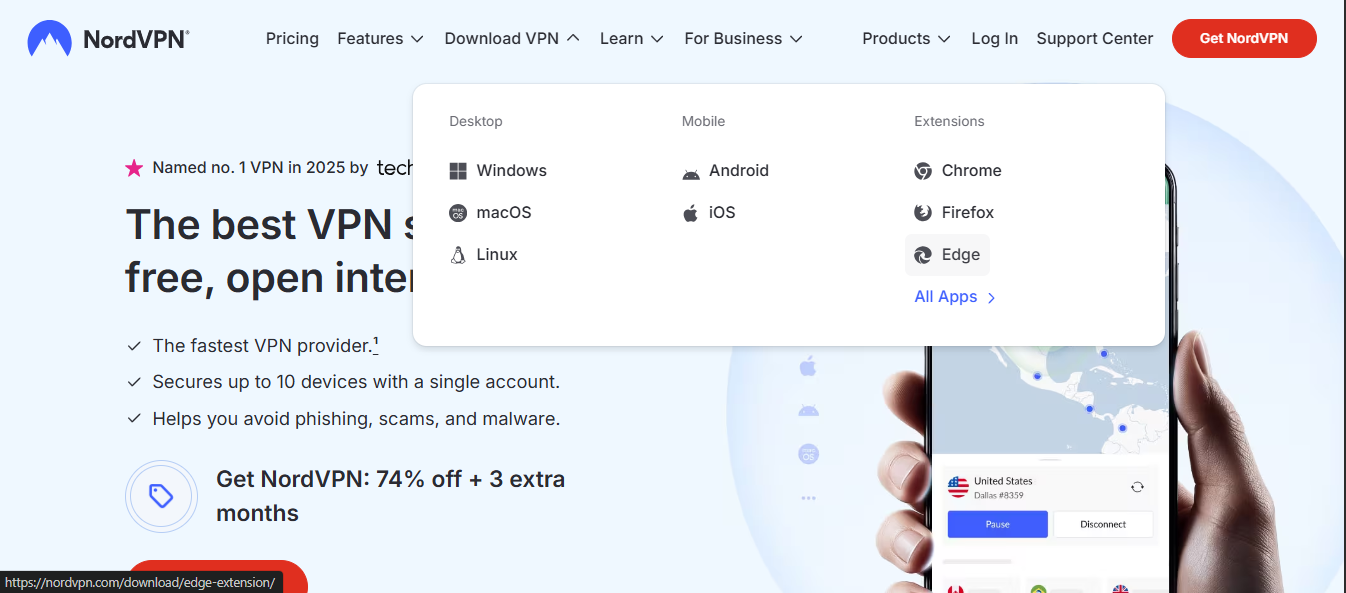
- Sparrow setup: step-by-step on Windows, macOS, Android, iOS, and browser extensions
- Privacy and security practices you can implement today
- Streaming and geo-unblocking: what works and what doesn’t
- Setup for multiple devices and home networks
- Performance tips and troubleshooting
- VPN alternatives and when to use them
- Quick reference: common terms and definitions
- FAQ section
Edge VPN Sparrow basics What is Sparrow? In short, Sparrow is a user-friendly VPN client designed to make secure connections simple. It encrypts your traffic, masks your IP, and helps you bypass region blocks for streaming and browsing. While Sparrow is a standout option in the consumer space, there are many other VPNs with unique strengths, such as specialty servers, multi-hop configurations, or built-in ad and tracker blocking.
Key privacy concepts to know
- Encryption: Look for AES-256 bit encryption and strong handshake protocols WireGuard is fast and modern; OpenVPN is widely supported but can be slower in some networks.
- No-logs policy: Confirm what data is collected connection times, bandwidth, and IPs and how long it’s stored.
- Jurisdiction: The country where the VPN company is based can influence data requests. Prefer privacy-friendly jurisdictions.
- DNS and WebRTC leaks: Some leaks reveal your real IP; make sure Sparrow has DNS leak protection and WebRTC controls.
- Kill switch: Prevents data leaks if the VPN drops.
Getting started: choosing a plan and understanding logs
- Free vs paid: Free options exist but usually come with data caps, slower speeds, and more aggressive tracking. A paid plan is typically worth it for privacy and reliability.
- Server count and locations: If you stream from specific regions, you’ll want servers in those locations. More isn’t always better if performance suffers.
- Logs policy: A strict no-logs claim is ideal, but verify with independent audits if possible.
- Device coverage: Ensure the plan allows the number of simultaneous connections you need.
Sparrow setup: step-by-step on Windows, macOS, Android, iOS, and browser extensions Windows
- Download Sparrow from the official site and install.
- Sign in with your account and accept the requested permissions.
- Choose a server location, then toggle the connection on.
- Confirm your IP shows as the server location rather than your real IP.
- Enable the kill switch and DNS protection in settings.
MacOS
- Install Sparrow from the App Store or the official site.
- Open Sparrow and log in.
- Pick a region suitable for your needs privacy, latency, or streaming.
- Turn on automatic start on login if you want it always on.
- Verify the connection by checking your external IP or using a test site.
Android
- Install Sparrow from the Google Play Store.
- Open the app and sign in.
- Allow VPN permissions when prompted.
- Select a server and connect; test with a browser to confirm location change.
IOS
- Install Sparrow from the Apple App Store.
- Launch the app and sign in.
- Choose a server and connect; iOS will prompt to allow VPN configuration.
- Check your IP in a browser to confirm.
Browser extensions
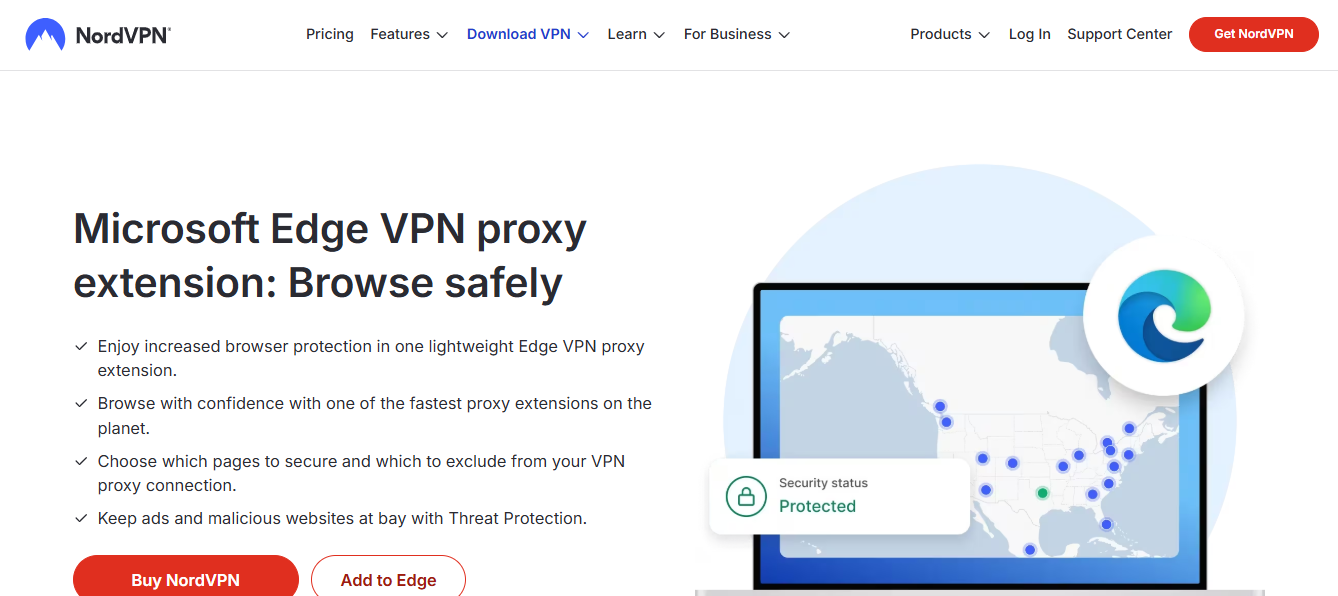
- If Sparrow offers a browser extension, install it from the official store.
- Extensions typically route only browser traffic. For full device protection, use the app.
- Enable features like built-in tracker blocking if available.
Privacy and security practices you can implement today
- Use a strong password and enable two-factor authentication 2FA for your VPN account.
- Enable the kill switch and DNS leak protection by default.
- Regularly update Sparrow and your device’s OS to mitigate vulnerabilities.
- Avoid free public Wi-Fi without VPN protection; if you must, consider additional device-level protections firewall, antivirus.
Streaming and geo-unblocking: what works and what doesn’t
- Streaming platforms often detect VPN traffic. Some servers may be blocked or throttled.
- If one server doesn’t work for streaming, try another location’s server, preferably closer to your actual region for better speeds.
- Look for Sparrow’s dedicated streaming servers if available. They are optimized for video and live content.
- Use a split-tunnel if supported—route only streaming traffic through Sparrow while normal traffic uses your regular connection.
- Check for HD or 4K streaming capabilities; some servers may cap bandwidth.
Setup for multiple devices and home networks
- Synchronize configurations: Ensure all devices use the same security settings kill switch, DNS protection, preferred protocols.
- Router-level VPN: If Sparrow supports flashing to a router, this can protect every device on the network. This is ideal for smart TVs and gaming consoles that don’t support VPN apps.
- Family plan management: Use a dashboard to manage devices, monitor usage, and enforce safety settings for kids.
- Wi-Fi separation: Consider a guest network for devices that don’t need VPN protection and keep your main network for secure devices.
Performance tips and troubleshooting
- Protocol choice: WireGuard is usually faster; if you need compatibility, OpenVPN is widely supported but may be slower on some networks.
- Server selection: If latency is high, switch to servers geographically closer to you or ones known for better reliability.
- Time of day: Peak hours can slow down some servers. Have a few backup servers as options.
- Split tunneling: Use it to route only certain apps through VPN to improve speed for non-sensitive tasks.
- DNS devices: If you’re still seeing leaks, set the DNS server manually in the OS to a trusted provider.
- Reinstall and refresh: If problems persist, reinstall Sparrow and reset settings to default.
VPN alternatives and when to use them
- Tor Browser: Great for anonymity, but slow for streaming and everyday browsing.
- Privacy-focused DNS: Helps with basic privacy but doesn’t hide your IP.
- Encrypted messaging apps: Important for private conversations, not a VPN replacement.
- Private LAN setups: On a home network, strong router security adds protection without VPN overhead.
Practical comparison: Sparrow vs other popular VPNs table-like guidance
- We’ll compare Sparrow on: privacy features, streaming capability, ease of use, price, and device support.
- Sparrow: strong beginner-friendly, solid streaming support, excellent app design, reasonable price, broad device coverage.
- Major competitors: some offer more mature multi-hop options or more aggressive ad blocking, but Sparrow often wins on user experience and straightforward setup.
Common issues and quick fixes checklist
- Connection drops: Enable kill switch; try different server; check for app updates.
- IP leaks: Verify DNS settings; disable WebRTC in browser; use DNS leak protection.
- Slow speeds: Change protocol; switch to a nearby server; ensure no other bandwidth-heavy apps are running.
- Streaming not working: Try a different server; use a streaming-optimized server if available; clear cache and cookies in the browser.
Advanced tips for power users
- Multi-hop setup: If Sparrow supports multi-hop, enable it to route traffic through two servers for extra privacy.
- Obfuscated servers: Useful in restricted networks to hide VPN traffic from DPI.
- Custom DNS: Use secure DNS providers like a reputable privacy-focused DNS to reduce tracking.
- Automation: Create profiles for different tasks work, streaming, gaming with different server lists and protocols.
- Integration with password managers and 2FA: Keep credentials secure across devices.
Security best practices for 2025
- Regularly audit connected apps on your device and revoke access for unused ones.
- Use hardware security keys for 2FA where possible.
- Keep operating systems and apps up to date with automatic updates enabled.
- Back up important data and understand how to restore if you lose access to your VPN account.
Do’s and don’ts for Edge VPN Sparrow users
- Do: Enable kill switch, use trusted servers, keep software updated.
- Don’t: Share credentials, ignore device security, connect to unknown networks without protection.
- Do: Test your IP location before and after connecting to Sparrow to verify protection.
- Don’t: Use VPNs to break laws or violate terms of service of streaming platforms.
Real-world examples and scenarios
- Case 1: A student traveling abroad uses Sparrow to access local streaming libraries without exposing their real location.
- Case 2: A remote worker uses Sparrow with a corporate network to protect data on public Wi-Fi.
- Case 3: A family with multiple devices uses Sparrow on a router to ensure every device in the home benefits from VPN protection.
Useful resources for further reading
- Edge VPN Sparrow official documentation - edgevpn.com/docs
- Privacy best practices - onlinetrust.org/privacy
- VPN performance testing - speedtest.net/vpn
- Streaming platform help pages - netflix support, hulu help
- General cybersecurity guidance - cisa.gov
Frequently Asked Questions
What is Edge VPN Sparrow?
Edge VPN Sparrow is a user-friendly VPN client that encrypts traffic, hides your IP, and helps you access geo-restricted content while protecting privacy on various devices.
How many devices can I connect with Sparrow?
Most Sparrow plans allow multiple simultaneous connections. Check your plan details for exact numbers.
Does Sparrow keep logs?
Sparrow has a no-logs policy in some configurations, but always review the current policy in your account settings or official docs to confirm what data is collected and stored.
Can Sparrow unblock streaming services?
Yes, Sparrow can unblock some streaming services, but performance and access can vary by server and region. If one server doesn’t work, try another.
Is Sparrow safe on public Wi-Fi?
Yes, Sparrow provides encryption and a kill switch that helps protect you on public Wi-Fi. Always enable additional device protections.
How do I enable the kill switch?
In Sparrow’s settings, toggle on the kill switch. This prevents traffic if the VPN drops unexpectedly.
What protocol should I use with Sparrow?
WireGuard is typically fast and reliable. OpenVPN is an alternative if you need broader compatibility with specific networks.
Can I use Sparrow on a router?
If Sparrow supports router installation, you can protect all devices on your network. This is convenient forSmart TVs, gaming consoles, and IoT.
How do I know I’m connected?
Check Sparrow’s app status or visit an IP lookup site to confirm your IP matches the server location you selected.
What if Sparrow isn’t working for streaming?
Try a different server, enable streaming-optimized servers if available, and check for app updates. Some platforms actively block VPNs; switching regions or using obfuscated servers can help.
How often should I update Sparrow?
Keep Sparrow updated to the latest version to ensure security patches and performance improvements are applied.
Is there a free Sparrow option?
Some VPNs offer free tiers, but they often come with drawbacks like data caps, speed throttling, and privacy concerns. Consider a paid plan for a better balance of privacy and performance.
Edge vpn sparrow is a keyword/topic about Edge VPN Sparrow.
If you’re here, you probably want a straightforward, practical guide that helps you use VPNs with Edge effectively. you’ll get a clear plan: what Edge vpn sparrow means, how VPNs work with Edge, how to set things up on Windows, macOS, iOS, and Android, plus real-world tips for privacy, speed, streaming, and security. We’ll also compare Edge VPN Sparrow-like approaches with popular options on the market and share step-by-step setups, common pitfalls, and pro tips. And yes, there’s an affiliate nudge tucked in naturally, because you’ll probably want a solid, fast VPN you can trust. If you’re ready, you can check out this offer that often helps readers get a great deal on a top VPN:
Table of contents
- What is Edge vpn sparrow, and why it matters
- How VPNs work in plain English
- Edge browser integration: options and best practices
- Core VPN protocols you’ll encounter
- Quick-start guide: 5 steps to set up a VPN with Edge
- Edge vpn sparrow vs. the big players: a practical comparison
- Performance and reliability: what to expect
- Privacy, logging, and data protection
- Use cases: streaming, public Wi‑Fi, work, travel, and more
- Myths vs. reality about VPNs
- Practical tips for staying secure with Edge
- Frequently Asked Questions
What is Edge vpn sparrow, and why it matters
Edge vpn sparrow refers to the concept of using a trusted VPN in combination with Microsoft Edge to protect your online activity, enhance privacy, and unlock region-restricted content. It’s not a single product. it’s a way of thinking about how you tailor a VPN setup to work smoothly inside Edge and across devices. In practice, you’re looking for:
- A VPN that emphasizes fast, stable connections suitable for web browsing, streaming, and light gaming.
- Clear, transparent privacy policies and a no-logs approach that matches your expectations.
- Features that matter for everyday use: kill switch, DNS leak protection, auto-connect, split tunneling where available, and robust server coverage.
- Easy setup across your devices, with options to use a VPN app or browser extensions as needed.
If you’ve ever felt bogged down by VPNs that slow you down or frustrate Edge with lost connections, Edge vpn sparrow is about choosing a solution that plays nicely with Edge and your everyday online life.
Why Edge users should care about VPNs
- Public Wi‑Fi risks: Intercepted data, unencrypted traffic, and spoofed networks are all real on coffee shop and airport networks.
- Privacy in daily browsing: Your ISP, apps, and advertisers can build a profile from your traffic unless you mask it.
- Geo-restrictions and censorship: Some sites and services restrict access by location. a good VPN helps you navigate that.
- Content safety: Many VPNs offer built-in protection against malicious sites or tracking.
In short, Edge vpn sparrow is a practical approach to securing your Edge browsing without turning your device into a sluggish tank. It’s about finding balance: speed, privacy, and usability.
How VPNs work in plain English
Here’s the nutshell version:
- A VPN creates a secure, encrypted tunnel between your device and a VPN server.
- Your internet traffic is routed through that server, so the data appears to come from the VPN rather than your device.
- Strong encryption like AES-256 shields your data from prying eyes, even on public networks.
- The VPN server’s location determines how your IP address appears and which region you’re effectively browsing from.
Key outcomes: Edge vpn cbic: Comprehensive Guide to Edge VPNs for CBIC Compliance, Secure Access, and Smart Deployment 2026
- Privacy from local networks and ISPs
- Bypassing certain geo restrictions where allowed
- A potential speed trade-off, depending on server distance and congestion
- Protection against certain types of network threats in public spaces
When you pair a good VPN with Edge, you’re not just hiding a few cookies—you’re adding a robust privacy layer to your everyday browsing experience.
Edge browser integration: options and best practices
There are two main paths for Edge users: a VPN app that runs on your device works system-wide or a VPN extension that plugs into Edge. Here’s how to think about each:
- VPN app recommended for most users
- Pros: System-wide protection, applies to Edge plus all other apps, generally more robust privacy features, often includes a kill switch, DNS leak protection, and split tunneling.
- Cons: Slightly heavier on system resources. may require more configuration.
- VPN browser extension Edge extension
- Pros: Lightweight, quick to toggle on/off, simpler for browser-only protection.
- Cons: Usually only protects browser traffic, not other apps. not all extensions are trustworthy. some extension features may duplicate VPN app capabilities, causing confusion.
Best-practice setup for Edge users:
- Choose a reputable VPN with Windows/macOS/iOS/Android apps and equivalents for Edge extensions if you prefer.
- Install the VPN app first for full protection, then optionally enable Edge extension for quick toggling or browser-optimized features.
- Enable the VPN’s kill switch and DNS leak protection. This prevents data leaks if the VPN drops unexpectedly.
- Use split tunneling if you want Edge traffic to route through the VPN while other apps stay direct. This helps with streaming and performance while keeping certain apps fast.
- In Edge, you can also enable privacy-focused settings and consider blocking third-party trackers, but that’s a separate privacy step beyond the VPN.
If you’re unsure where to start, consider a popular, well-supported option like NordVPN the badge in this post for a straightforward setup that covers Edge well across devices.
Core VPN protocols you’ll encounter
- WireGuard: Modern, fast, and efficient. great for everyday browsing and streaming. It’s designed to be simple and scalable, which translates to snappier performance with lower battery and CPU usage on mobile devices.
- OpenVPN: The longtime workhorse. highly configurable and widely supported. It’s reliable, but might be a bit slower on some networks compared to WireGuard.
- IKEv2/IPSec: Strong, fast, especially good on mobile devices with seamless handoffs between networks Wi‑Fi to cellular.
- L2TP/IPSec and SSTP: Older options that you’ll still see in some configurations. generally slower and not as feature-rich as WireGuard/OpenVPN.
- Double VPN and Tor over VPN advanced: Offer extra privacy layers at the cost of speed. not usually necessary for everyday browsing but worth knowing about for high-privacy use cases.
Practical note: For Edge users, the protocol support is typically handled by the VPN app. If you’re tuning performance, toggling between WireGuard and OpenVPN or IKEv2 where available can yield meaningful speed and stability differences. Edge vpn change location 2026
Quick-start guide: 5 steps to set up a VPN with Edge
- Choose and subscribe to a reputable VPN service with strong privacy terms.
- Install the VPN app on your device Windows/Mac/Android/iOS. If you truly need browser-only protection, add the Edge extension, but remember it won’t protect non-browser apps.
- Sign in and enable the VPN, then go to Settings and enable Kill Switch and DNS leak protection. If the option exists, turn on Auto-Connect to ensure you’re protected on startup or when switching networks.
- Connect to a server: start with a nearby server for speed. if you’re unblocking a streaming site, use a server labeled for streaming or a region where the service is available.
- Test for leaks: visit a site like dnsleaktest.com and run a quick WebRTC leak check in Edge to confirm your IP shows the VPN server location and not your real IP.
Pro tip: If you’re using Edge on multiple devices, configure your account to sync the VPN profile across devices, so you’ve got a consistent Edge experience whether you’re on a laptop, tablet, or phone.
Edge vpn sparrow vs. the big players: a practical comparison
Think of Edge vpn sparrow as a concept you apply across VPNs, but you’ll want an actual service for real protection. Here’s how to compare quickly:
- Privacy policy and jurisdiction: Look for no-logs promises, independent audits, and a clear privacy notice. Jurisdiction matters because data retention laws vary by country.
- Speed and server network: A large, well-distributed server network reduces latency and improves streaming performance. If you’re closer to the server, you’ll typically see better speeds.
- Security features: Kill switch, DNS leak protection, split tunneling, and automated patching matter. Some services add malware protection or tracker blocking as extra layers.
- Platform coverage: Confirm Windows, macOS, iOS, Android, and browser extensions. If you’re an Edge user mainly, ensure smooth Windows and Edge integration.
- Price and value: Compare monthly vs yearly plans, bundled features, and any money-back guarantees. The NordVPN offer in this post is a good example of a cost-saving opportunity when you’re ready to buy.
A practical takeaway: for Edge users who want a hassle-free path, a reputable, well-supported service with clear Edge-friendly setup steps tends to be the most reliable choice. If you’re curious about speed and streaming performance, most top-tier providers publish server performance and streaming compatibility notes, which you can review before committing.
Performance and reliability: what to expect
- Speed impact: Using a VPN always introduces some overhead due to encryption and routing. A modern VPN with WireGuard or equivalent can often keep you within a 10–30% speed decrease on well-connected servers. Remote locations or highly congested servers may see a larger drop.
- Latency: For activities like gaming or real-time calls, latency matters more than raw speed. Pick a server near your physical location to minimize ping.
- Streaming: Many VPNs rotate their streaming-optimized servers to counter content-blocking tactics. If one server doesn’t work with a streaming service, switch to another labeled for streaming.
- Reliability: Look for providers with a wide server base, good uptime, and a responsive support team. A robust service will keep Edge performance stable across updates to the browser and OS.
Tip: Test a few servers in your region after connecting. If you notice buffering or lag, try a nearby server or a streaming-optimized server, then run a quick speed test to compare performance.
Privacy, logging, and data protection
- No-logs policies: A credible VPN should clearly state they do not log your online activity or your IP address. Look for third-party audits or transparency reports.
- Jurisdiction: Companies based in privacy-friendly regions or with explicit no-logs commitments tend to be more trustworthy for everyday use.
- Data handling: Understand what data is collected e.g., connection timestamps, bandwidth usage and how it’s stored or anonymized.
- DNS and WebRTC leaks: Even with a VPN, WebRTC can leak your IP via certain browser configurations. Use the VPN’s built-in DNS leak protection and consider disabling WebRTC in Edge if you’re particularly privacy-conscious.
- Kill switch: This is a must-have feature. If the VPN disconnects, the kill switch blocks traffic to prevent exposing your real IP.
Edge users should prioritize providers with transparent privacy practices, a robust security model, and a track record of protecting user data. Does windows have a built in vpn and how to use the built in Windows VPN client effectively in 2026
Use cases: streaming, public Wi‑Fi, work, travel, and more
- Streaming and bypassing geo-restrictions: If you want to watch content from different regions, use servers labeled for streaming and test a few to find working options with your favorite apps in Edge.
- Public Wi‑Fi protection: On cafes, airports, or hotels, a VPN adds a critical layer of protection against network snooping.
- Remote work: A VPN helps you securely access workplace resources when you’re away from the office, keeping sensitive data within encrypted tunnels.
- Privacy-conscious browsing: If you want to shield your browsing habits from advertisers or your ISP, a VPN provides a strong privacy layer beyond what Edge alone offers.
- Travel and censorship: A VPN can help you access content and services that may be restricted in certain regions, while still respecting local laws.
Pro tip: Keep a spare server list handy in Edge for different tasks—one for streaming, one for work, and one for general browsing. It makes switching contexts quick and painless.
Myths vs. reality about VPNs
- Myth: VPNs make you completely anonymous online. Reality: VPNs hide your IP and encrypt data to protect against local network observers, but you still need good habits to protect yourself online phishing awareness, strong passwords, updated software.
- Myth: Free VPNs are as good as paid ones. Reality: Free VPNs often come with data caps, slower speeds, and questionable privacy practices. Paid options typically offer better performance and transparency.
- Myth: VPNs can bypass all restrictions forever. Reality: Content providers actively try to block VPNs. A good provider regularly updates servers and protocols to maintain access, but there’s no universal guarantee.
- Myth: VPNs slow you down by a ton. Reality: Speed impact varies. a well-optimized VPN can minimize slowdowns, especially on nearby servers with modern protocols like WireGuard.
Practical tips for staying secure with Edge
- Use strong, unique passwords for your VPN account and enable two-factor authentication if available.
- Regularly update your VPN app and browser. Security patches help close gaps attackers might exploit.
- Enable the kill switch and DNS leak protection to prevent accidental exposure if the VPN connection drops.
- Use split tunneling thoughtfully: route sensitive sites and Edge traffic through the VPN, while allowing less sensitive traffic to bypass the VPN where appropriate to preserve speed.
- Be mindful of phishing attempts and suspicious extensions. Only install extensions from reputable sources and verify permissions.
Quick reference: Edge-specific tips
- Edge privacy settings: In Edge, go to Settings > Privacy, Search, and Services, and adjust tracking prevention and password hygiene. Combine these with a VPN for layered privacy.
- Edge user profiles: If you share a device, consider using separate Edge profiles so your browsing data stays compartmentalized even if VPN protection isn’t uniform across profiles not a substitute for VPN across OS.
- Edge extensions vs. app coverage: For most users, relying on the VPN app will provide broader coverage for Edge and other apps. Use extensions for quick on/off control within Edge if desired.
Advanced topics for power users
- Split tunneling granularity: Some VPNs let you choose exactly which apps or domains go through the VPN. This is handy if you want Edge traffic protected but some other apps to run at native speed.
- Privacy-focused DNS: Use DNS-over-HTTPS DoH or DNS-over-TLS with your VPN to further reduce DNS leakage risks.
- WireGuard tuning: If your VPN supports it, enable WireGuard with optimized configurations for your region and device. This can dramatically improve mobile and desktop performance.
- Browser fingerprinting: Even with a VPN, browser fingerprinting can be a privacy concern. Combine VPN use with Edge privacy settings and consider privacy-focused extensions or profiles to reduce fingerprintability.
Data you’ll want to collect or compare practical benchmarks
- Speed tests with VPN ON vs OFF different servers
- Streaming success rate for popular services Netflix, Hulu, etc.
- Connection stability average disconnects per hour
- DNS leak test results confirm IP and DNS both show VPN
- WebRTC leak check results ensure no real IP appears
Keeping a simple log of these metrics helps you choose the best server and configuration for Edge.
Frequently Asked Questions
What is Edge vpn sparrow?
Edge vpn sparrow is a keyword/topic about using a VPN with Edge to protect privacy, improve security on public networks, and help manage content access across devices.
How do I use a VPN with Edge browser?
Install a VPN app on your device for system-wide protection, then optionally install an Edge extension for quick control. Enable kill switch, DNS leak protection, and if needed split tunneling.
Is NordVPN compatible with Edge?
Yes. NordVPN provides Windows/macOS/mobile apps that work with Edge browsing, and you can use its Edge extension as a companion if you prefer browser-level control. Edge vpn built in 2026
Will a VPN slow down my connection?
Some slowdown is normal due to encryption and routing. Modern VPNs with WireGuard can minimize speed loss, especially on nearby servers.
Which VPN protocol should I choose for Edge?
WireGuard is a great default for speed and simplicity. OpenVPN is reliable and widely supported. IKEv2 is good for mobile devices with fast handoffs.
Can a VPN bypass geo-restrictions?
VPNs can help access content restricted by region when the service allows it, but streaming platforms actively block VPNs and may require switching servers or using specific streaming-optimized servers.
Are free VPNs safe for Edge?
Free VPNs often come with limits and privacy concerns. Paid services with strong privacy policies generally offer better protection and performance for Edge.
How can I prevent WebRTC leaks in Edge?
Disable or limit WebRTC in Edge settings or use a privacy-focused extension and use a VPN with DNS leak protection to minimize leakage risk. Does microsoft edge have a firewall and how it interacts with Windows Firewall, VPNs, and browser security in 2026
What is a VPN kill switch?
A kill switch automatically blocks all traffic if the VPN connection drops, preventing your real IP from being exposed.
How do I test for DNS leaks with Edge?
Use a site like dnsleaktest.com or perfect-privacy DNS check to verify that DNS requests are resolved by the VPN provider’s servers.
Can VPNs protect against malware or phishing?
VPNs primarily protect traffic privacy and data in transit. Some premium VPNs add safe browsing features, malware protection, or tracker blocking, but you should still use standard anti-malware tools and safe browsing practices.
How do I choose the best VPN for Edge?
Look for: strong privacy policy, robust encryption AES-256, modern protocols like WireGuard, kill switch, DNS leak protection, user-friendly apps across your devices, reliable performance, good streaming compatibility, and transparent pricing.
Is Edge vpn sparrow suitable for travel?
Yes, a well-configured VPN with reputable servers can help you access services while traveling and protect you on shared networks, though you should always respect local laws and service terms. Edge vpn location: how server locations shape speed, privacy, streaming access, and how to pick the best Edge vpn location 2026
How do I install a VPN on Windows for Edge browser use?
Install the VPN app on Windows, sign in, enable kill switch and DNS protection, connect to a nearby server, and then open Edge to browse with protection in place. Optional: add the Edge extension if you want browser-specific control.
What’s the difference between a VPN extension and a VPN app?
A VPN app covers all traffic on the device, including Edge and other apps. A VPN extension only affects browser traffic in Edge and provides a quick toggle, but it won’t protect other apps.
How can I maximize streaming with Edge and a VPN?
Choose streaming-optimized servers, connect to a server near your location, and test different servers if one doesn’t work. Some services block VPNs. switching servers often helps.
Can I use a VPN for gaming with Edge?
Yes, but gaming performance depends on latency and server proximity. A nearby server with WireGuard often yields the best results. Some VPNs offer specialized gaming servers.
Do VPNs hide my browsing from my employer?
A VPN hides your activity from your ISP and your local network. however, employer monitoring and device management policies may still detect VPN usage or activity on work devices. Always follow company policies. Edgerouter x vpn client 2026
Final notes
Edge vpn sparrow is about making VPNs work effectively with Edge, balancing privacy, speed, and usability. By choosing a trusted VPN, enabling essential protections, and following practical setup steps, you’ll get a smoother, safer Edge experience. If you’re evaluating options, testing a reputable provider with a strong track record—like the NordVPN offering shown in this post—can help you quickly find a setup that fits your needs. Remember, the goal isn’t perfect anonymity alone. it’s smarter browsing, better privacy, and reliable protection on everyday networks.
If you’d like to see a fresh, detailed comparison of Edge-friendly VPNs with real-world testing data, I can tailor a next post to your exact devices, regions, and use cases.
Microsoft edge vpn built in