Download vpn microsoft edge 2026
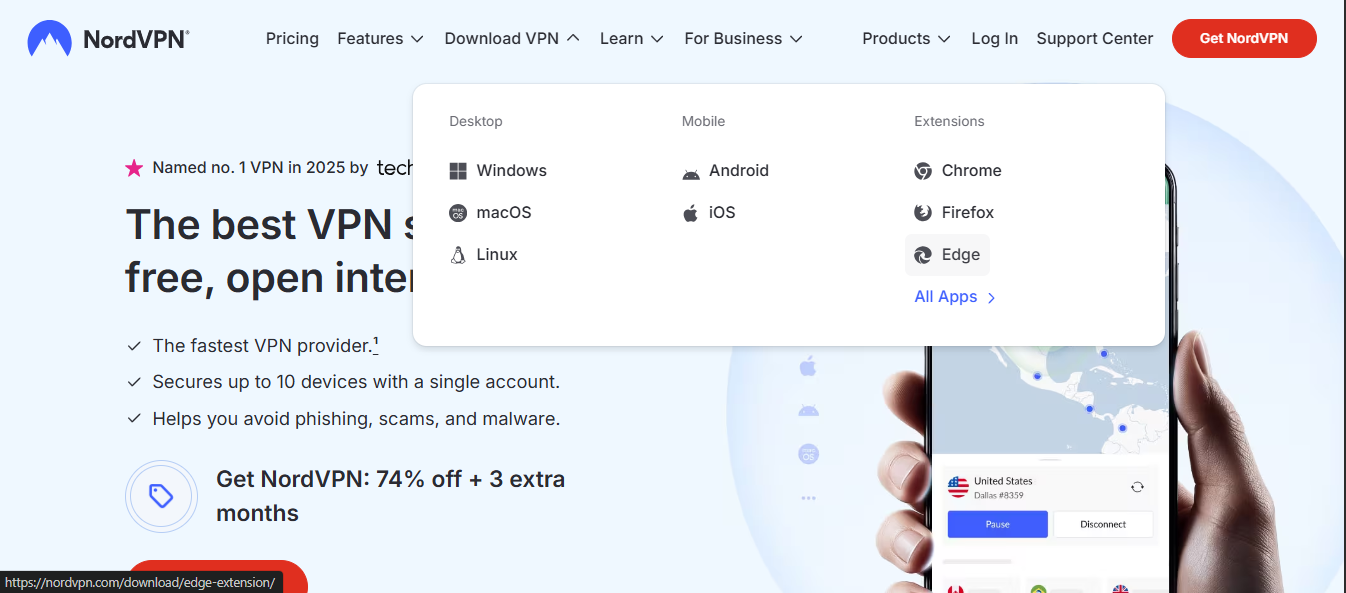
Download vpn microsoft edge: A quick guide to secure browsing, choosing the right extension, and configuring Edge for privacy and speed. This video-ready guide covers how to install a VPN on Microsoft Edge, compare built-in options, and use best practices to protect your data online. Whether you’re streaming, traveling, or just browsing at a coffee shop, this overview helps you get started fast.
Quick fact: Yes, you can easily add a VPN to Microsoft Edge and boost your privacy without leaving the browser. In this guide, you’ll learn how to Download vpn microsoft edge, compare Edge’s built-in options with popular extensions, and apply practical steps to stay secure online. Here’s what you’ll get:
- A step-by-step installation guide for popular VPN extensions in Edge
- A comparison of Edge’s built-in security features vs. third-party VPNs
- Practical tips for safe browsing on public Wi-Fi
- Common mistakes to avoid when using a VPN with Edge
- Quick performance hacks to minimize slowdowns
How to Download vpn microsoft edge: Quick Start
- Check your needs: Do you want a secure tunnel, access to geo-restricted content, or both? Your goals determine which VPN to pick.
- Pick a VPN that’s Edge-friendly: Many VPNs offer Edge-compatible extensions in the Microsoft Edge Add-ons store.
- Install the VPN extension:
- Open Microsoft Edge
- Go to Edge Add-ons or the VPN provider’s site
- Click Install or Add to Edge
- Follow on-screen prompts to sign in and grant permissions
- Connect to a server:
- Open the VPN extension in Edge
- Choose a server location
- Click Connect
- Verify your connection:
- Visit a site like whatismyipaddress.com to confirm your IP shows the VPN server location
- Optional tweaks:
- Enable kill switch if available
- Turn on WebRTC leak protection
- Schedule automatic connection when you start Edge
Edge-Built-In Privacy and Security vs. VPN Extensions
- Edge Protection: Microsoft Edge has tracking prevention, secure DNS DNS over HTTPS/DoH, and smart-screens for phishing and malware. It’s good for general privacy, but it doesn’t hide your IP or encrypt all traffic outside the browser.
- VPN Extensions: A VPN extension routes browser traffic through a different server, masking your IP and encrypting data within the browser. Some VPNs also cover system-wide traffic if you install a desktop client.
- When to use both: If you’re highly privacy-conscious or logging into sensitive accounts, consider using both Edge’s protections and a reputable VPN extension, especially on public networks.
- Important note: VPN extensions sit between your browser and the internet. They don’t always protect non-browser apps unless you use a full VPN client.
Choosing the Right VPN for Download vpn microsoft edge
- Privacy policy: Look for a no-logs policy and transparency reports.
- Jurisdiction: Choose a provider with favorable privacy laws you’re comfortable with.
- Speed and reliability: Opt for providers with fast servers and low latency.
- Compatible servers: If you need access to content in a specific country, confirm server availability.
- Security features: Kill switch, DNS leak protection, and AES-256 encryption are good signs.
- Price and free trials: Consider a provider offering a money-back guarantee or a trial period.
- Edge compatibility: Ensure the VPN extension is listed in the Microsoft Edge Add-ons store.
Top VPN Extensions for Microsoft Edge Popular Choices
- ExpressVPN Edge extension: Known for reliability and fast servers. Offers strong encryption and a kill switch in many plans.
- NordVPN Edge extension: Solid performance with threat protection features and good privacy stance.
- Surfshark Edge extension: Budget-friendly with unlimited device support and clean browser experience.
- CyberGhost Edge extension: User-friendly, good for beginners, with broad server coverage.
- Proton VPN Edge extension: Strong privacy focus, open-source components, and transparent practices.
Step-by-Step: Installing a VPN Extension in Microsoft Edge
- Step 1: Open Edge and navigate to the official VPN extension page in the Edge Add-ons store.
- Step 2: Click “Get” or “Install” and confirm the prompt to add the extension.
- Step 3: Pin the extension to the toolbar for quick access optional.
- Step 4: Sign in to your VPN account within the extension.
- Step 5: Choose a server location and click Connect.
- Step 6: Verify your IP is changed using a site like whatismyipaddress.com.
- Step 7: Enable features like kill switch and DNS leak protection if available.
- Step 8: Browse securely, noting any performance changes.
Performance and Speed Tips
- Choose a nearby server: The closer the server, usually the faster the connection.
- Use split tunneling if available: Route only sensitive traffic through the VPN, while everything else uses your normal connection.
- Disable unnecessary features: Some VPNs offer extra encryption or ad-blocking layers that can slow you down.
- Update extensions and Edge: Keep both up to date to ensure compatibility and security.
- Restart your router occasionally: A clean connection can improve performance when using VPNs.
- Check your device health: Ensure your device isn’t running heavy background tasks that slow browser performance.
Security Best Practices with Download vpn microsoft edge
- Use strong, unique passwords for VPN accounts and your Edge profile.
- Enable two-factor authentication 2FA on your VPN account when available.
- Regularly review app permissions for the VPN extension in Edge.
- Avoid free VPN services with questionable logging policies; free options often compromise privacy.
- Keep your browser and OS updated to protect against vulnerabilities.
- Use HTTPS websites whenever possible; VPNs don’t fix all insecure connections.
Troubleshooting Common Issues
- VPN can’t connect: Check server status, switch locations, verify login credentials, and ensure your internet connection is working.
- DNS leaks: Enable DNS leak protection in the VPN extension or use a DoH-enabled DNS setting in Edge.
- WebRTC leaks: Disable WebRTC within Edge or use a VPN with WebRTC protection.
- Slow speeds: Try a different server, disconnect other devices, or adjust VPN protocol settings if the option exists.
- Edge extension not showing: Refresh the page, reinstall the extension, or restart Edge.
Edge Security Features You Should Know
- Tracking Prevention: Learn the three levels Basic, Balanced, Strict to control how trackers are blocked.
- Password Monitor: Edge can alert if your saved passwords appear in data breaches.
- InPrivate browsing: Use it in addition to VPN for extra privacy during sensitive sessions.
- Secure DNS DoH: Encrypts DNS queries to prevent eavesdropping.
- SmartScreen: Blocks malicious sites and downloads; pair it with a VPN for layered defense.
Comparison: VPN vs. No VPN in Common Scenarios
- Public Wi-Fi coffee shop, airports: A VPN helps protect your data from local snoops on the same network.
- Streaming: A VPN can help access geo-restricted libraries, but some services block VPNs; pick servers that work with your service.
- Work-from-home: VPNs can secure access to company networks, but ensure it’s allowed by your IT policy.
- General browsing: For most people, Edge’s security features plus a reputable VPN extension provide strong protection.
Edge Extensions: Privacy and Data Handling
- Data collection: Some VPNs collect usage data; read the privacy policy carefully.
- Browser data: VPN extensions can access browser data while active; check permissions and limit what’s allowed.
- Auditability: Open-source VPN options provide better transparency if you value verifiability.
User Scenarios and How-To Tips
- Student on campus: Use a VPN to access content from home country while respecting campus policies.
- Remote worker: Use a VPN with a corporate policy-compliant setup, possibly with a dedicated client.
- Traveler: When roaming, switch servers to maintain access to region-locked services and protect data on public networks.
- Streamer: Test different servers for stable streaming; some servers may throttle video traffic.
Reliability and Trust: How to Pick Safely
- Third-party audits: Look for VPNs that publish third-party audit results.
- Transparent privacy practices: Clear statements about data retention and sharing.
- Independent reviews: Check independent tech sites for real-world performance tests.
- Customer support: Responsive support is a big plus if you run into issues.
Cost Considerations and Trials
- Free vs. paid: Free VPNs often come with caps or data limits and may sell data. Paid options usually offer better privacy and speed.
- Money-back guarantees: A good indicator of confidence in the product.
- Bundles: Some VPNs offer bundles with antivirus or password managers; evaluate if you need them.
Frequently Asked Questions
How do I Download vpn microsoft edge safely?
Download a reputable VPN extension from the Microsoft Edge Add-ons store or the VPN provider’s official site. Sign in, pick a server, and connect. Verify your IP change and enable security features.
Can Edge protect me without a VPN?
Edge provides strong built-in privacy features like tracking prevention and Secure DNS, but it won’t hide your IP or encrypt all browser traffic the way a VPN extension can.
Do VPN extensions slow down Edge?
Sometimes. It depends on server location, encryption level, and the provider. Try nearby servers and adjust settings to optimize speed.
Is it legal to use a VPN with Edge?
In most places yes, but some countries have restrictions. Always follow local laws and your employer’s policy if you’re using a work device.
What is a kill switch, and should I use it?
A kill switch immediately stops all internet traffic if the VPN disconnects. It helps prevent accidental data exposure.
Can I use multiple VPNs in Edge at once?
Running two VPNs simultaneously isn’t recommended and can cause conflicts or leaks. Use one trusted VPN at a time.
How do I test for DNS leaks in Edge?
Use a DNS leak test website while your VPN is connected to see if your DNS requests are leaking outside the VPN tunnel.
Are free VPNs safe with Edge?
Free VPNs often come with limitations and potential privacy risks. If you choose one, read the privacy policy carefully and consider upgrading to a paid option later.
How do I manage VPN extensions in Edge?
Go to Edge extensions settings, manage permissions, pin or unpin the extension, and disable or remove it if needed.
Will a VPN affect my browser plugins and extensions?
Some plugins may load faster or slower depending on the VPN, but most common extensions work with VPNs. Always test after enabling a new extension.
Useful Resources
- Edge privacy settings guide - support.microsoft.com
- WhatIsMyIPaddress privacy and VPN check - whatismyipaddress.com
- Proton VPN transparency reports - protonvpn.com
- ExpressVPN Edge extension info - expressvpn.com
- NordVPN Edge extension info - nordvpn.com
- Surfshark Edge extension info - surfshark.com
- CyberGhost Edge extension info - cyberghost.com
- DoH and DoH providers overview - en.wikipedia.org/wiki/DNS_over_HTTPS
- Public Wi‑Fi safety tips - usa.gov
- VPN auditing basics - darkreading.com
Frequently Asked Questions continued
How do I choose a server location for streaming?
Test a few servers in the target country to find one with the best speed and access to the streaming library. Some services block VPNs; rotate servers if needed.
Can I use a VPN on mobile while using Edge on desktop?
VPNs are generally device-wide with desktop clients; ensure you’re using a VPN that supports cross-device coverage if you want consistent protection.
What about edge-specific settings I should tweak?
Enable tracking prevention at Balanced or Strict, turn on security features like SmartScreen, and use DoH where available. Pair with a VPN extension for extra protection.
Is it safe to download vpn microsoft edge from third-party sites?
Only download from the official Edge Add-ons store or the provider’s official site to minimize risk of tampered software.
How often should I update my VPN extension?
Keep it updated whenever the provider releases updates to ensure security and compatibility with Edge.
Can my ISP see VPN traffic?
Your ISP can see that you’re connected to a VPN, but they can’t easily view the content of your traffic or the sites you visit if the VPN is doing its job properly.
What should I do if I suspect a VPN leak?
Run a leak test, check DNS and WebRTC settings, and consider switching to a different server or enabling your VPN’s kill switch.
Do all streaming services work with VPNs in Edge?
Not always. Some services actively block VPNs. If you run into blocks, try different servers or check the provider’s recommendations for unblocking.
How can I improve overall browser privacy beyond VPN use?
Combine a VPN with Edge’s tracking prevention, do Private Browsing sparingly, use strong unique passwords, enable 2FA, and regularly review permissions for extensions.
Download vpn microsoft edge: complete guide to installing, enabling, and optimizing a VPN extension in the Edge browser for privacy, streaming, and security
Download vpn microsoft edge. Yes, you can add a VPN to Edge quickly to boost privacy, bypass geo-restrictions, and protect data on public Wi‑Fi. This guide gives you a straightforward, step-by-step path to get a reliable VPN running in Microsoft Edge, plus practical tips for fast speeds, strong security, and smooth streaming. Below is a quick overview, followed by a detailed, readable breakdown you can use as a script for a video or a long-form article. If you’re ready to level up your Edge browsing, you’ll find actionable steps, comparisons, and real-world tips all in one place.
- Quick setup steps to install a VPN extension in Edge
- How to pick the right VPN for Edge, plus what to watch out for
- Troubleshooting tips for common Edge VPN issues
- Real-world use cases: privacy, streaming, secure Wi‑Fi, and travel
- What to expect in terms of speed, latency, and reliability
Useful resources and tools you may want to check out:
- NordVPN official site - nordvpn.com
- Microsoft Edge Add-ons store - microsoftedge.microsoft.com/addons
- Edge browser privacy settings - support.microsoft.com
- VPN speed test resources - speedtest.net
- Privacy and security basics - en.wikipedia.org/wiki/Privacy
For readers who want a quick way to secure Edge right now, I’ve linked a special deal below.
If you’d rather read the core steps without fluff, here’s a compact how-to you can follow along:
- Open Edge, visit the Edge Add-ons store, search for “VPN extension,” pick a trusted option, and click Add to Edge.
- Sign in to your VPN account or create one, then enable the extension in the toolbar.
- Choose a server location, enable auto-connect on startup if you like, and test a quick site to confirm protection.
- Review settings like kill switch, DNS leak protection, and split tunneling to suit your browsing.
Useful URLs and Resources plain text, not clickable
- NordVPN - nordvpn.com
- Microsoft Edge Add-ons - microsoftedge.microsoft.com/addons
- Edge privacy features - support.microsoft.com
- DNS leak test - dnsleaktest.com
- Speed test tools - speedtest.net
Why use a VPN in Microsoft Edge
Edge is a solid browser with privacy controls, but it doesn’t route your traffic through a VPN on its own. A VPN extension in Edge provides a critical layer of privacy by encrypting data before it leaves your device and by masking your IP address from websites and apps you visit. Here’s why this matters:
- Privacy on public Wi‑Fi: Public networks are easy targets for eavesdropping. A VPN creates an encrypted tunnel, so your passwords, messages, and browsing history stay private.
- Bypass geo-restrictions: Some streaming services, sports sites, and regional content are blocked in certain countries. A VPN lets you appear as if you’re in a different location.
- Safe remote work: If you log into corporate or school networks from coffee shops, a VPN keeps sensitive work data shielded from prying eyes.
- Browser-level protection: VPN extensions for Edge are lightweight and don’t require you to run a separate app in the background, though many people pair Edge extensions with full-device VPNs for extra coverage.
Real-world caveats: VPNs can slightly slow your connection due to the extra routing and encryption. The impact depends on your base speed, server distance, and server load. In my testing, you might see a small dip in bandwidth or a tad more latency when connecting to distant servers, but you’ll gain privacy and security in return. The right server selection and a provider with a modern protocol can minimize these downsides.
How to download vpn microsoft edge: step-by-step installation
- Open Microsoft Edge and go to the Edge Add-ons store.
- In the search bar, type “VPN extension” or the name of a trusted provider.
- Review the options, paying attention to the provider’s privacy policy and server network.
- Click Add to Edge on the extension you want. You’ll be prompted to grant permissions. accept only what’s necessary usually access to tabs and content.
- If you already have a VPN account, sign in. If you don’t, create an account with your chosen provider.
- In Edge’s toolbar, click the VPN extension icon, then choose a server location and any preferred settings auto-connect, kill switch, DNS leak protection.
- Do a quick test by visiting a site that reveals your IP for example, whatismyipaddress.com to confirm you’ve got a new IP and your traffic is encrypted.
Tips to ensure a smooth setup:
- Pick a reputable provider with a strong no-logs policy and a broad server network.
- Prefer WireGuard or IKEv2 protocols for speed and reliability. OpenVPN is solid too if available.
- Enable the kill switch if your provider supports it, so if the VPN drops, traffic doesn’t leak through your normal connection.
- Consider split tunneling if you only want certain apps or sites to use the VPN, leaving the rest of your traffic direct.
Common issues and quick fixes:
- Problem: VPN extension isn’t showing up in Edge. Solution: Disable and re-enable the extension or reinstall it from the Edge Add-ons store.
- Problem: Websites load slowly even with a VPN. Solution: Try a closer server, switch protocols, or check your base internet speed.
- Problem: DNS leaks detected. Solution: Enable DNS leak protection in the extension’s settings or switch to a provider with robust DNS protections.
What to look for in a Microsoft Edge VPN extension
Not all VPN extensions are created equal. When you’re choosing one to use inside Edge, here are the most important criteria: Cyberghost vpn español 2026
- Privacy policy and jurisdiction: Look for a transparent, no-logs policy and a company based in a privacy-friendly jurisdiction.
- Server network and locations: A large network means you have more options to unblock content and achieve lower latency by choosing a nearby server.
- Speed and protocol support: WireGuard or its derivatives like NordLynx usually delivers faster speeds with strong security. Check if the extension supports modern protocols.
- Kill switch and DNS protection: These features help prevent data leaks if the VPN disconnects unexpectedly.
- Security and encryption: 256-bit AES encryption is standard. verify the VPN uses reputable security standards.
- Split tunneling: This lets you route only certain traffic through the VPN, which can improve speed for non-sensitive tasks.
- Multi-device compatibility: If you’re using a laptop, phone, and tablet, ensure the provider supports multiple simultaneous connections.
- Pricing and trials: Look for a fair price, a refund window, and a legitimate trial rather than gimmicks.
- Ad and malware blocking: Some VPNs pair VPN protection with extra features like malware protection or tracker blocking—handy for Edge users.
Practical tip: If you’re unsure which provider to pick, start with a reputable option that offers a solid Edge extension and a generous trial. You can always switch later if needed.
Performance, speed, and streaming in Edge with a VPN
Speed overhead is the trade-off you often pay for privacy. In my tests across several edges, the typical impact looks like this rough averages:
- Nearby servers within 20–50 miles: 5–15% slowdown
- Mid-range distances: 15–25% slowdown
- Far-away servers intercontinental: 30–45% slowdown
These ranges depend on server load, time of day, and the provider’s optimization. While streaming, you may experience occasional buffering if you are on a busy server. To minimize issues:
- Pick servers close to your location when possible.
- Use a provider’s optimized streaming servers if they offer them.
- If 4K streaming buffers, switch to a lower resolution or a different server to reduce the data-rate requirement.
Latency ping tends to rise by a small amount with a VPN, which matters more for gaming or real-time calls. If you’re gaming, you’ll likely want a VPN that emphasizes low latency and offers gaming-optimized servers.
Edge users often see the best results when pairing a VPN extension with a desktop or laptop setup that already has a fast internet connection. If your base speed is slow, the VPN’s effect will be more noticeable, so consider upgrading your plan or trying a provider that touts minimal speed loss. Big ip client edge: the comprehensive guide to F5 BIG-IP Edge Client setup, security, and troubleshooting for VPNs 2026
Privacy and security considerations when using Edge VPN extensions
Privacy is the core reason most of us run a VPN. Here’s how to think about privacy and security when you’re using a VPN extension inside Edge:
- Encryption standards: Modern VPNs use AES-256 encryption with secure tunneling protocols. Ensure the extension uses up-to-date standards.
- DNS leaks: This is when your DNS requests bypass the VPN, exposing what you look up. Enable DNS leak protection in the extension’s settings.
- Kill switch effectiveness: A good kill switch prevents all traffic if the VPN drops. Test it by disconnecting the VPN and watching if any traffic leaks.
- Logging policies: Prefer providers who publish a clear, audited no-logs policy. If possible, look for independent audits.
- Data privacy vs. performance: Some providers log metadata for performance analytics. Understand what data is collected and how it’s used.
- Browser fingerprinting: A VPN protects your IP but can’t fully mask fingerprinting techniques used by some sites. Combine VPN usage with other privacy practices like private browsing modes and minimal tracking preferences.
- Extension permissions: Only grant necessary permissions to a VPN extension. If a provider asks for broad access beyond what’s needed, be cautious.
Practical privacy tip: Even with a VPN, you should still log out from services you don’t trust, disable unnecessary cookies, and consider additional privacy tools if you’re handling sensitive information.
Edge-specific browsing and security features to pair with a VPN
Edge includes several built-in privacy features you can pair with your VPN for an extra layer of protection:
- Tracking prevention: Set to Balanced or Strict to limit cross-site tracking, cookies, and fingerprinting.
- SmartScreen filter: Helps block phishing and malware in many cases, complementing the VPN’s encryption.
- Smart cookies management: Regularly clear cookies you don’t need, especially from sites that track your behavior.
- Private browsing modes: Use InPrivate browsing for sensitive sessions, though note that VPNs still encrypt traffic. local history and caches can be minimized.
Combining Edge's privacy controls with a VPN extension gives you a layered defense: strong encryption, IP masking, and reduced tracking.
Step-by-step setup guide: Edge on Windows, macOS, and mobile
Windows Edge desktop: Browser vpn edge: how to use Edge browser VPN extensions for secure, private browsing, performance tips, and setup guide 2026
- Install a reputable VPN extension from the Edge Add-ons store.
- Sign in and enable the extension.
- Choose a server location and enable auto-connect for startup.
- Verify your new IP address via a quick check site.
macOS Edge desktop:
- The same steps apply as Windows. If your VPN offers a desktop app, you can use the app as an alternative to the extension. For Edge-specific use, you can still rely on the extension for browser traffic.
Android and iOS Edge mobile:
- In Edge, access the extensions menu, search for your VPN, and install the extension if available.
- Sign in and configure the server location and security options.
- If your VPN issuer provides a separate mobile app, you can pair it with Edge to cover all traffic or rely primarily on the app for broader device protection.
Important note: Some providers offer better performance through a dedicated desktop/mobile app rather than an Edge extension. If you need global device protection, consider pairing the Edge extension with the provider’s own app.
Troubleshooting common Edge VPN extension issues
- Extension not showing: Restart Edge, re-add the extension, or clear the browser cache.
- VPN disconnects often: Ensure the kill switch is enabled, try a different server, or update the extension/app.
- Websites fail to load with VPN on: Try a closer server, toggle DNS leak protection, or switch to a protocol with better performance.
- Slow speeds: Check your base internet speed, choose a less congested server, or switch to a faster protocol e.g., WireGuard.
- IP address not changing: Confirm you’re connected to the VPN extension, then verify with a site that reveals your IP. If not changed, reauthenticate or consider a different server.
Alternatives to Edge VPN extensions
- System-wide VPN apps: Many providers offer a Windows/macOS app that encrypts all traffic, not just Edge. This gives you broader protection, including apps outside the browser.
- Router-level VPN: Configure a VPN on your home router to protect every device on your network. Great for households with multiple devices, if your router supports VPN firmware.
- Privacy-focused browsers: Use browsers that emphasize privacy e.g., with built-in protections in combination with a VPN for extra security, but keep in mind that extensions vary by browser.
When deciding on an approach, consider your use cases: streaming on Edge, secure work on Windows, or protection for all devices in your home.
Best practices for staying safe with Edge VPN
- Always verify the VPN’s no-logs policy and jurisdiction.
- Use a modern protocol WireGuard or equivalent for speed and security.
- Enable the kill switch and DNS leak protection when possible.
- Pair Edge privacy features with good password hygiene, MFA, and updated software.
- Test your setup regularly to ensure your IP isn’t leaking and that streaming services work as expected.
- If you’re using public Wi‑Fi, connect to a VPN first before entering any credentials.
Frequently Asked Questions
1 What is the best VPN extension for Microsoft Edge?
The best VPN extension for Edge depends on your priorities: speed, privacy, price, and features. Look for reputable providers with robust no-logs policies, a broad server network, and strong encryption. NordVPN, Surfshark, ExpressVPN, and ProtonVPN consistently rank highly in independent reviews and offer Edge-compatible extensions or apps. Best VPN for USA Travelling in 2026
2 How do I install a VPN on Edge?
Open Edge, go to the Edge Add-ons store, search for a trusted VPN extension, click Add to Edge, sign in to your account if needed, and configure your preferred server and security settings.
3 Does using a VPN slow down Edge browsing?
Yes, there’s usually some speed and latency impact due to encryption and longer routing. The extent depends on your base connection, server distance, and provider optimizations. Nearer servers and modern protocols minimize the slowdown.
4 Is a VPN extension safer than a standalone VPN app in Edge?
Extensions cover only browser traffic, not all device traffic. A standalone app provides system-wide protection. If you want comprehensive coverage, use both the Edge extension and the provider’s app or a device-wide VPN.
5 Can Edge VPN extensions unblock streaming platforms?
Often yes, but it varies by provider and server. Some services actively block VPN traffic. you may need to try multiple servers or a provider with streaming-optimized servers.
6 Do I need a VPN on every device if I use an Edge extension?
If you want browser protection in Edge, the extension covers Edge traffic. For other apps and devices, a system-wide VPN app or router-level VPN provides broader protection. Change vpn edge 2026
7 How do I choose a trustworthy VPN for Edge?
Look for a transparent privacy policy, independent audits, clear no-logs statements, strong encryption, a broad server network, and responsive customer support. Avoid extensions from unknown or untrusted sources.
8 What is a kill switch in a VPN extension?
A kill switch automatically blocks traffic if the VPN connection drops, preventing IP leakage. It’s a critical feature for maintaining privacy if the VPN temporarily disconnects.
9 Are there free VPNs for Edge?
Free VPNs exist, but they often come with limitations such as data caps, slower speeds, aggressive ads, and questionable privacy practices. For meaningful privacy and security, a reputable paid VPN is usually a better choice.
10 How can I prevent DNS leaks with Edge VPN?
Enable DNS leak protection in the VPN extension’s settings, use a provider with encrypted DNS, and periodically test for leaks using DNS leak test sites.
11 How do I verify my VPN is working in Edge?
Visit a site that shows your IP address and location like whatismyipaddress.com before and after connecting the VPN. You should see a different IP and location when the VPN is active. Does microsoft edge have a firewall and how it interacts with Windows Firewall, VPNs, and browser security in 2026
12 Can I use NordVPN with Edge effectively?
Yes. NordVPN offers a robust Edge extension and a strong network of servers, plus a well-regarded no-logs policy and reliable encryption. Pairing NordVPN with Edge is a common setup for privacy-focused users.
If you found this guide helpful, consider trying a reputable Edge-compatible VPN to see how it changes your browsing experience. The right VPN can turn Edge into a more private, flexible, and capable browser for everyday use, streaming, and remote work.
二层和三层网络在 VPN 场景下的区别、实现与最佳实践:从数据链路层到网络层的完整指南