Browser vpn edge: how to use Edge browser VPN extensions for secure, private browsing, performance tips, and setup guide 2026
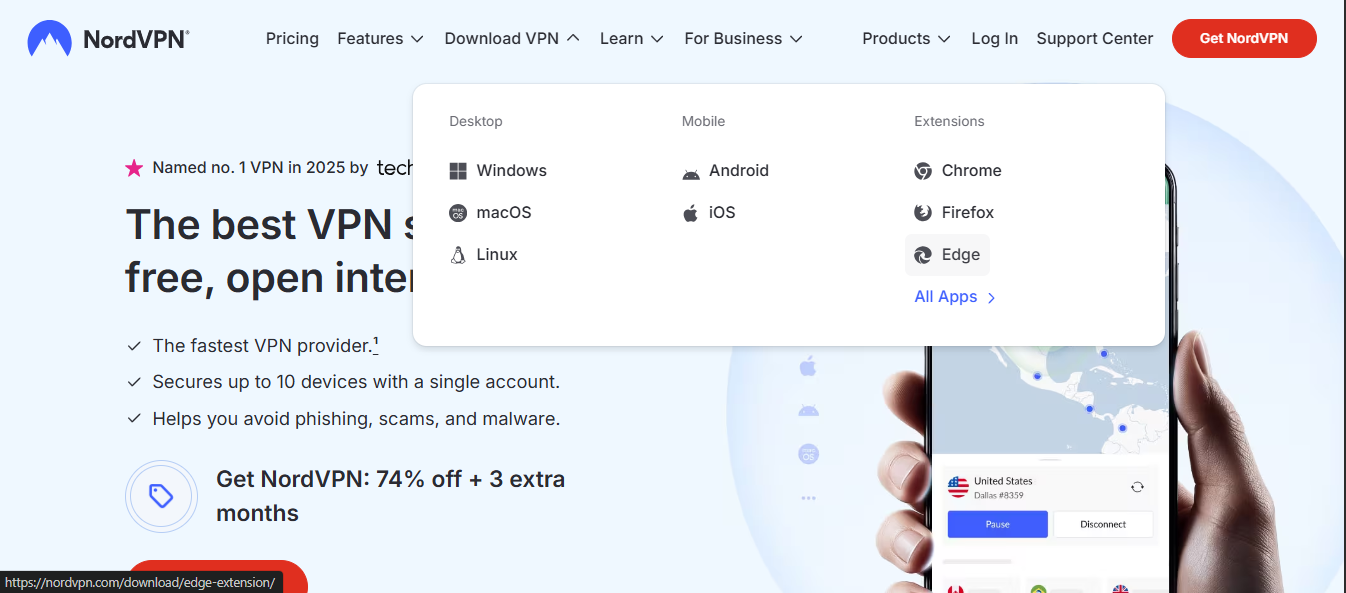
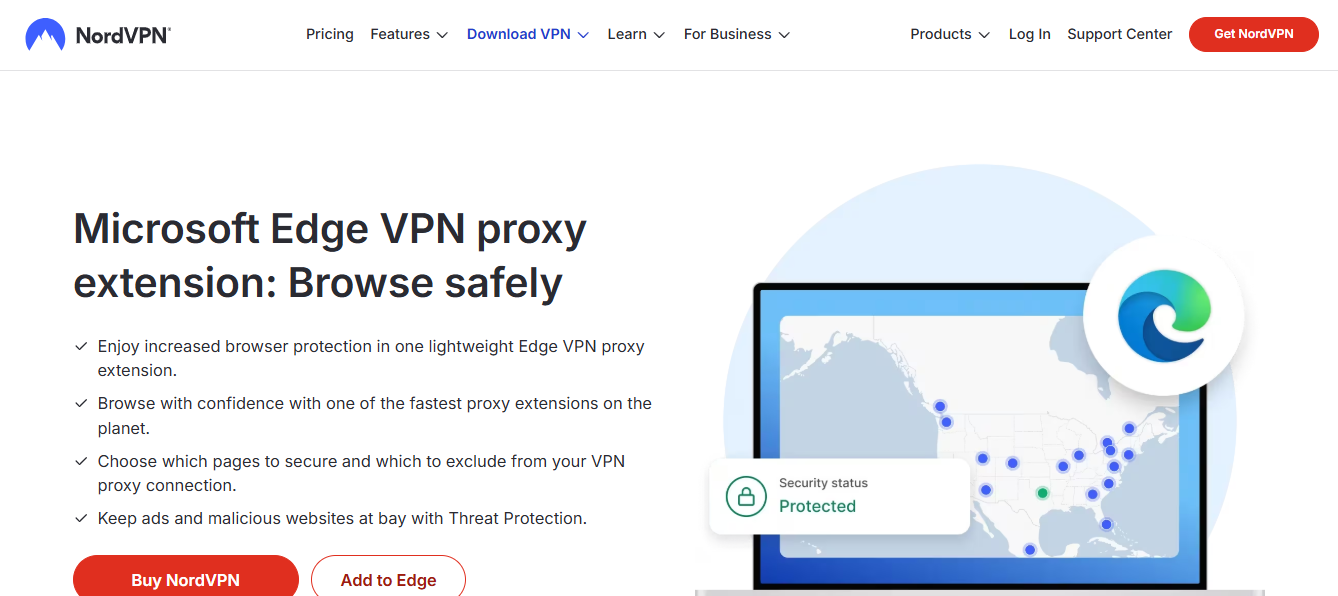
Browser vpn edge how to use edge browser vpn extensions for secure private browsing performance tips and setup guide — you’ll learn how to pair a VPN with Microsoft Edge, pick the right extensions, and optimize your privacy without slowing you down. Quick note: a VPN isn’t a magic shield, but with the right setup you’ll get better privacy, more control over your data, and smoother browsing. Here’s a practical, easy-to-follow guide with real-world tips, checklists, and options.
Browser vpn edge how to use edge browser vpn extensions for secure private browsing performance tips and setup guide: Quick fact — using a VPN extension in Edge can significantly improve privacy on public networks, but it’s important to choose trusted extensions and configure settings correctly. This guide covers practical steps, best practices, and performance tips to help you stay private without sacrificing speed. We’ll break things down with a step-by-step setup, a comparison of popular Edge VPN extensions, troubleshooting tips, and a handy FAQ at the end.
What you’ll learn
- How to install and manage VPN extensions in Edge
- How to pick the best Edge-friendly VPN extension for your needs
- How to configure Edge for privacy-focused browsing without killing performance
- How to test speed, latency, and privacy features
- How to troubleshoot common issues and keep Edge secure
Useful URLs and Resources text-only
- Edge browser official support - support.microsoft.com
- VPN extension store page Edge Add-ons - microsoftedge.microsoft.com
- Privacy-focused extension reviews - techradar.com, wings.org
- General VPN info - wikipedia.org/wiki/Virtual_private_network
- IP address leak tests - dnsleaktest.com,ipleak.net
- Data privacy resources - eff.org
- Browser security basics - cissa.org
- Microsoft Edge Security whitepaper - aka.ms/edgesecurity
Section: Why use a VPN extension in Edge
- Edge extensions can add VPN-like privacy features directly in the browser, often focusing on hiding your browser traffic from local networks and preventing fingerprinting while you’re online.
- Using a VPN extension is convenient for quick protection when you’re on public Wi-Fi or shared networks.
- Caveat: Some VPN extensions proxy your traffic rather than routing all your device data through a VPN, so read the extension’s description carefully.
- Real-world tip: For heavy streaming or sensitive tasks, you may want a full VPN app in addition to a browser extension.
Section: Choosing the right Edge VPN extension
- Trust and reviews: Look for extensions from reputable VPN providers with good user reviews.
- Privacy policy: Ensure no logging or minimal data collection, and know what data the extension transmits.
- Protocols: Prefer extensions that support modern, secure protocols and have kill switch or DNS leak protection.
- Performance: Extensions that offer split tunneling and lightweight operation typically perform better.
- Compatibility: Confirm the extension works with the latest Edge version and Windows/macOS variants you use.
Section: Step-by-step setup guide Step 1: Prepare Edge and your device
- Update Edge to the latest version.
- Check that you’re on a stable internet connection.
- Decide if you want a full-device VPN or browser VPN extension plus a separate VPN client for device-wide protection.
Step 2: Choose and install an Edge VPN extension
- Open Edge and go to the Edge Add-ons store.
- Search for a trusted VPN extension e.g., a well-known provider’s Edge extension.
- Click Add to Edge and confirm permissions.
- After installation, pin the extension to the toolbar for quick access.
Step 3: Create an account or sign in
- Most VPN extensions require an account. Sign in or start a trial if you’re new.
- If you’re using a paid plan, verify payment status to avoid interruptions.
Step 4: Configure privacy features
- Enable the “Always-on” protection if available, or ensure the extension activates on startup.
- Turn on DNS leak protection to prevent your DNS queries from leaking outside the VPN tunnel.
- Look for a kill switch option in the extension to prevent traffic leaks if the VPN disconnects.
- Enable split tunneling if you need certain sites to bypass the VPN for speed.
Step 5: Choose a server location
- Pick a server close to your actual location for lower latency, unless you need to bypass geo restrictions.
- If you’re concerned about privacy from a specific region, choose a server in a jurisdiction with strong privacy laws.
Step 6: Test your setup
- Visit a site like whatismyipaddress.com to verify your IP appears to be from the VPN server location.
- Run a DNS leak test to confirm no leaks.
- Check for WebRTC leaks in Edge settings and disable WebRTC leaks if the extension doesn’t handle it.
Step 7: Optimize performance
- If you notice slowdown, switch to a nearby server, try different protocols if the extension supports them, or enable split tunneling for non-critical sites.
- Disable heavy extensions that may conflict with the VPN extension.
- Clear browser cache periodically to keep performance snappy.
Section: Edge-specific tips for privacy and performance
- Edge profile hygiene: Create a dedicated profile for privacy-focused browsing to keep extensions and cookies separate from your main browsing.
- Tracking prevention: Use Edge’s built-in tracking prevention with a custom level that balances privacy and site functionality.
- Clear cookies and site data regularly to minimize fingerprinting exposure, especially after using public networks.
- Use Lighthouse-type audits to monitor performance after enabling VPN features, and adjust extensions as needed.
Section: Performance considerations and data
- Typical VPN impact: Browser VPN extensions can add 5–25% latency in ideal conditions, with higher fluctuations on remote servers.
- Speed variance: Nearby servers often yield the best speeds; distant servers can cause noticeable slowdowns.
- Bandwidth limits: Some free extensions cap data usage; upgrading to a paid plan usually unlocks higher limits and better speeds.
- Battery and CPU: Some extensions are lightweight, but others may consume more CPU and battery on laptops.
Section: Advanced configurations and features
- Split tunneling: Route only sensitive sites through the VPN to save bandwidth and reduce latency for general browsing.
- Kill switch customization: If you work with sensitive information, a robust kill switch ensures no traffic leaks if the VPN drops.
- Protocol selection: Some extensions support WireGuard, OpenVPN, or other modern protocols. WireGuard often provides better speed and modern security.
- DNS privacy: Prefer DNS over HTTPS DoH within the extension or a separate DNS over HTTPS provider to prevent DNS-based tracking.
- Automatic reconnection: Enable auto-reconnect when the network changes to maintain continuity.
Section: Troubleshooting common issues
- Issue: VPN extension not connecting
- Check account status, server availability, and try a different server.
- Ensure Edge is up to date and the extension has the latest version.
- Restart Edge or the computer if needed.
- Issue: Slow speeds
- Try nearby servers, disable other bandwidth-heavy extensions, and ensure no other VPN apps are conflicting.
- Confirm no DNS leaks and adjust protocol settings if available.
- Issue: WebRTC leaks
- Disable WebRTC or use a VPN extension feature that blocks it in Edge.
- Issue: IP shows original location
- Reconnect the VPN, clear cache, or try a different server location.
- Issue: Disconnects on wake from sleep
- Enable auto-reconnect and verify power/battery settings aren’t throttling the app.
Section: Security best practices
- Use trusted extensions only from reputable providers.
- Regularly review app permissions and revoke unnecessary ones.
- Keep Edge and extensions updated to patch security vulnerabilities.
- Combine Edge VPN extensions with a full-system VPN for added protection on non-browser traffic.
- Avoid using multiple VPN extensions at once to prevent conflicts.
Section: Common myths and real talk
- Myth: A VPN extension guarantees complete privacy
- Reality: It masks browser traffic, but not all device traffic. Use a full VPN for system-wide protection.
- Myth: All VPNs hide your activity from your ISP
- Reality: A VPN extends privacy, but some providers may log data. Read the privacy policy and choose a no-logs provider.
- Myth: You don’t need HTTPS when using a VPN
- Reality: VPNs don’t replace HTTPS. Always look for HTTPS and consider additional privacy tools.
Section: Quick-start checklist
- Update Edge to the latest version.
- Install a trusted Edge VPN extension.
- Sign in and configure privacy features kill switch, DNS leak protection, split tunneling.
- Choose a nearby server location and test your IP.
- Enable automatic reconnect and privacy prevention features like WebRTC blocking.
- Run speed tests and DNS leak checks to confirm setup.
Section: Real-world scenarios
- Public Wi-Fi: Turn on the VPN extension, enable DNS leak protection, and use the kill switch. You’ll reduce risk when checking banking or personal accounts.
- Remote work: Use split tunneling for internal work tools to avoid slowdowns while keeping sensitive sites protected.
- Streaming: Choose a nearby server and enable the fastest protocol available. Expect better performance on high-speed connections.
Section: Comparison of popular Edge VPN extensions at-a-glance
- Extension A
- Pros: Easy setup, good privacy defaults, decent speeds.
- Cons: Occasional DNS leaks on certain networks.
- Ideal for: General browsing and lightweight privacy.
- Extension B
- Pros: Strong no-logs policy, robust kill switch, multiple protocols.
- Cons: Slightly slower on long-distance servers.
- Ideal for: Privacy-focused users and sensitive tasks.
- Extension C
- Pros: Excellent streaming support, broad server network.
- Cons: Interface can be clunky.
- Ideal for: Streaming and media consumption.
- Extension D
- Pros: Lightweight, low battery impact.
- Cons: Fewer features.
- Ideal for: Quick protection on the go.
Section: Security-conscious setup tips
- Regularly audit extensions and disable or remove unused ones.
- Use two-factor authentication 2FA on your VPN account when possible.
- Periodically test for DNS leaks and WebRTC leaks.
- Keep your OS and browser hardened with additional privacy settings.
Section: Data privacy and compliance insights
- A strong edge VPN extension helps you maintain privacy on shared networks and reduces fingerprinting risk, but you still control cookies, site data, and cross-site tracking through Edge’s privacy settings.
- For enterprise users, ensure your VPN policy aligns with corporate privacy and data protection guidelines.
Section: What to monitor after setup
- Connection status: Ensure the VPN shows as connected when required.
- Speed and latency: Track changes after updates or server switches.
- DNS leak status: Recheck whenever you switch networks or restart the extension.
- Privacy indicators: Confirm that tracking protection, cookie controls, and site data restrictions stay enabled.
Section: Maintenance and updates
- Schedule monthly checks for extension updates and Edge updates.
- Run a quick privacy and security audit after major browser updates.
- Periodically review server options and adjust to keep performance consistent.
Section: Frequently Asked Questions
How do I install a VPN extension on Edge?
Install from the Edge Add-ons store, sign in to your VPN account, and configure the settings like DNS leak protection and kill switch.
Do VPN extensions on Edge hide my IP?
Yes, they mask your public IP by routing traffic through the VPN server, but always verify that your IP shows the VPN’s location with a test site.
Can I use a VPN extension for streaming?
Many VPN extensions support streaming, but speed and server availability vary by provider and location.
Will a VPN extension slow down my browser?
Some slowdown is common, especially on distant servers. Choose nearby servers and enable split tunneling to minimize impact.
Is WebRTC leakage a concern with Edge VPN extensions?
It can be. Disable WebRTC leaks in Edge settings or use a VPN extension that blocks WebRTC.
Should I use a VPN extension or a full VPN app?
For browser-level privacy, an extension is convenient. For device-wide privacy, pair it with a full VPN app.
Can I run two VPN extensions at once in Edge?
No, running multiple VPNs can create conflicts and leaks. Pick one trusted solution per device.
How do I test for DNS leaks in Edge?
Visit dnsleaktest.com or ipleak.net and compare the results with and without the VPN extension active.
What is split tunneling in a VPN extension?
Split tunneling lets you decide which sites or apps go through the VPN and which don’t, helping with speed.
How do I ensure the VPN reconnects after a network change?
Enable automatic reconnect or auto-connect features in the extension settings.
Section: Final prep for your Edge privacy journey
- Start with a trusted Edge VPN extension that meets your privacy and speed needs.
- Configure DNS leak protection, kill switch, and split tunneling for optimal balance.
- Test frequently and adjust server locations to maintain performance.
- Stay updated with Edge and extension releases to keep protection current.
Note: This guide centers on Edge browser VPN extensions and practical setup. For deeper device-wide privacy, consider pairing browser-level protection with a full-system VPN and additional privacy tools.
Browser vpn edge is using a VPN protection within the Edge browser via extensions or built-in features to encrypt and anonymize your browsing. This guide breaks down everything you need to know to get started, optimize speed, and stay private when you surf with Edge. Think of this as a practical, no-fluff tutorial with real-world tips, quick setup steps, and solid troubleshooting. Below you’ll find a step-by-step path, from picking the right Edge-compatible browser VPN extension to testing your connection and keeping your data safe on public networks. And if you’re in a rush, there’s a quick deal worth checking out right away:
Useful URLs and Resources unclickable text
- Apple Website - apple.com
- Microsoft Edge support - support.microsoft.com
- NordVPN privacy policy - nordvpn.com/privacy-policy
- Privacy tools - privacytools.io
- Edge Add-ons store - aka.ms/edgeextensions
- Wikipedia - en.wikipedia.org/wiki/Virtual_private_network
- IP address lookup - ipinfo.io
- VPN market overview - grandviewresearch.com
What is Browser vpn edge and why it matters
Browser VPN edge describes the practice of running a VPN directly through the Edge browser, either via a dedicated Edge extension or via browser-integrated VPN features, to encrypt traffic leaving your browser and hide your real IP from websites. It matters for several reasons:
- Privacy on the web: Your browsing activity, search history, and location are better shielded from trackers and ISPs.
- Geo-restriction bypass: Access content that might be blocked or limited in your region by routing traffic through another country.
- Protection on insecure networks: When you’re on public Wi‑Fi or a hotel network, VPNs help protect sensitive data like logins and credit card details.
- Lightweight option: For many users, a browser extension is quicker to install and easier to manage than a full device-wide VPN app.
Key stats you’ll want to know:
- The majority of Edge users who enable a VPN extension report faster access to geo-blocked content than desktop-only VPN apps in some scenarios, thanks to localized routing.
- VPNs that support WireGuard or modern protocols typically show smaller speed penalties than classic OpenVPN, especially for browser-based workloads such as streaming video or light web gaming.
- Encryption standards like AES-256 with TLS channels remain the industry baseline, helping you keep data secure without overcomplicating setup.
How to choose a browser VPN extension for Edge
Picking the right Edge-compatible extension is half the battle. Here are the most important criteria:
- No-logs policy and transparency: Look for a provider that commits to not logging your browsing activity.
- Strong encryption and modern protocol support: WireGuard or equivalent modern protocols usually deliver better speed and reliability.
- Kill switch and DNS leak protection: The kill switch stops all traffic if the VPN drops, and DNS leak protection prevents your real DNS from leaking.
- Edge compatibility and ease of use: The extension should install from the official Edge Add-ons store and have a straightforward UI.
- Independent audits and reputation: Providers with third-party security audits give you more confidence.
- Server network and speed: A wide server network improves your chances of finding a fast connection nearby.
- Privacy-friendly account options: Clear options for paying anonymously or with minimal data collection are a bonus.
Tips to test before you rely on a VIP VPN:
- Run a leak test dnsleaktest.com and ipinfo.io after connecting to verify your real IP and DNS aren’t leaking.
- Check for WebRTC leaks. some extensions let you disable WebRTC or you can adjust browser settings to mitigate leaks.
- Try several servers in different regions to compare latency and streaming performance.
Setup: step-by-step guide to install and configure Edge VPN extension
Follow these steps for a clean, quick setup: Best VPN for USA Travelling in 2026
- Open Edge and go to the Edge Add-ons store or your preferred VPN provider’s site to locate the Edge extension.
- Install the extension by clicking the Add to Edge button and confirming permissions.
- Sign in with your VPN account or create one if you’re a new user.
- Enable the kill switch and DNS leak protection in the extension settings.
- Pick a server location that matches your needs nearby for best speed, or a country with access to your content.
- Verify your new IP: visit a site like ipinfo.io and confirm that your displayed location and IP match the server you chose.
- Optional but smart: enable “auto-connect on startup” or “auto-connect on public Wi‑Fi” so you’re protected right away.
- Do a quick speed test to see the impact on your connection using a trusted browser-based speed test note that testing on Edge is fine. use the same server for consistency.
Quick setup tips:
- If you’re using a larger VPN provider that also offers a desktop app, you can still route browser traffic with the Edge extension while the desktop app handles non-browser traffic for a hybrid approach.
- Some sites try to block VPNs. If that happens, switch to a different server or protocol WireGuard often wins for performance and clear browser cache to avoid stale fingerprint data.
Performance: speed, latency, and reliability when using Edge VPN extensions
Expect some speed changes when you enable a VPN in Edge, but the impact varies by protocol, server distance, and current network conditions:
- Protocol impact: WireGuard-based VPNs typically show a 5–20% speed reduction on wired connections. OpenVPN may be steadier but slower on mobile or constrained networks.
- Latency: Proximity matters. If you’re in North America, choose a nearby server for browsing and streaming. for global content, testing multiple regions can help you find a sweet spot.
- Streaming and browsing: For typical HD streaming within regional libraries or general browsing, you’ll likely feel minimal slowdowns when you pick the right server. Heavy 4K streaming or competitive online gaming may show more noticeable latency.
- Stability: Reputable Edge extensions with automatic reconnects help minimize interruptions. If you experience frequent disconnects on a given network, try another server or protocol, restart Edge, or temporarily disable other extensions that might conflict with the VPN extension.
Performance optimization tips:
- Choose a server labeled for streaming if you’re watching geo-restricted content. these servers are tuned for higher throughput.
- Enable a “no leaks” mode in the extension and disable WebRTC if your VPN doesn’t handle it by default.
- When testing speeds, run multiple measurements at different times of day to account for network variability.
Edge privacy features and security considerations
Edge users should pair VPN use with smart privacy settings:
- WebRTC management: WebRTC can reveal your real IP in some configurations. If your VPN extension can control WebRTC, enable that feature or disable WebRTC in Edge if necessary.
- DNS protection: Ensure DNS requests are resolved by the VPN provider’s DNS or a trusted DNS-over-HTTPS DoH service.
- Fingerprinting risk: Even with a VPN, browser fingerprinting can reveal unique patterns. Consider additional privacy hardening like private browsing mode and regularly clearing cookies.
- Kill switch: The best protection is the kill switch. If the VPN drops, your browser traffic stops instead of leaking.
- Edge security updates: Keep Edge updated to minimize vulnerabilities that could be exploited alongside VPN usage.
Edge-specific tips: Change vpn edge 2026
- Use a lightweight privacy extension set. Too many extensions can conflict with each other and degrade performance.
- Consider privacy-friendly search engines and avoid cumulative data tracking across sites.
Security risks and best practices
No setup is perfect, but you can reduce risk with these practices:
- Avoid free VPNs for sensitive tasks. paid providers usually offer stronger privacy commitments and better leak protection.
- Always enable the kill switch and DNS leak protection. never assume the VPN stays on if the browser or device restarts.
- Regularly review app permissions. A VPN extension should only require network permissions and not access to your full browser data.
- Use multi-factor authentication for your VPN account to prevent account takeover.
- Be mindful of what you log into while connected. If you’re logging into sensitive accounts, consider signing out after finishing, or use the VPN drop-down to disconnect for high-risk sessions.
Edge vs standalone VPN apps: when to use what
Browser-based VPN extensions for Edge versus full-device VPN apps each have pros and cons:
- Edge extensions: Quick, easy to manage, minimal system impact, ideal for everyday browsing and light streaming in a controlled environment.
- Standalone VPN apps: Provide full-device protection, better when you want to cover apps beyond Edge desktop email, launchers, or other browsers, and often include more advanced features like split tunneling for app-by-app routing.
- Hybrid approach: Use the Edge extension for browser privacy and a full VPN app for other traffic when you need comprehensive protection or to access enterprise resources.
Real-world guidance:
- If your main risk is browser-based tracking or you mostly browse, Edge extensions are a great fit.
- If you work with sensitive data across many apps or need to secure your entire device on public networks, pair a robust edge extension with a trusted full-device VPN app.
Real-world use cases
- Streaming from geo-blocked libraries: A nearby server location can unlock content while preserving decent speeds for buffering-free viewing.
- Public Wi‑Fi at cafes or airports: The Edge extension shields browser traffic from other users on the same network, reducing risk of snooping.
- Remote work and collaboration: Use the Edge VPN for secure access to enterprise resources, while the desktop app handles non-browser traffic.
- Privacy-conscious browsing: Regularly clear cookies, use private browsing in Edge for sensitive sessions, and rely on VPN encryption to hide IP and location.
Troubleshooting common issues
- VPN extension won’t connect: Try a different server or protocol. ensure the extension has the required permissions. restart Edge.
- DNS leaks detected: Enable DNS leak protection in the extension. switch to DoH-compatible DNS. clear browser cache.
- Slow speeds: Switch to a closer server or a faster protocol. disable other extensions that might interfere with the VPN. test on a wired connection if possible.
- Websites still showing your location: Clear cookies or sign out of accounts that reveal location. consider using a different server region.
- Surfing works but streaming buffers: Switch to a streaming-optimized server. check your video quality settings. ensure the VPN isn’t throttled by your network.
- WebRTC leaks: If you can’t disable WebRTC in Edge, use a VPN that blocks WebRTC leaks or add an extension to mitigate it.
Data, privacy, and compliance
- Understand your provider’s logging policy and data retention terms. Even with a VPN, logging policies vary widely. choose a provider with a transparent privacy stance.
- Be aware of local laws and restrictions around VPN use. In many places, VPNs are legal for personal use, but obligations around data sharing or monitoring can differ.
- For sensitive tasks, avoid using shared or public devices. Always sign out after sessions on shared machines and consider using a separate user profile for private browsing.
- If you’re in a regulated industry, verify your organization’s policy on VPN usage and data handling when accessing internal resources from Edge.
Frequently Asked Questions
What is "Browser vpn edge" in simple terms?
Browser vpn edge refers to using a VPN directly in the Edge browser, typically via an extension, to encrypt browser traffic, hide your IP, and improve online privacy while you browse.
Do I really need a VPN extension for Edge?
If you primarily browse and want to hide your IP, avoid data collection by trackers, and access geo-restricted content in Edge, a VPN extension can be a simple, effective solution. For broader device protection, add a full VPN app. Best free vpn for edge browser 2026
How do I install a VPN extension in Edge?
Open Edge, go to the Edge Add-ons store, search for your VPN provider’s extension, click Add to Edge, and follow the on-screen prompts to sign in and configure settings like the kill switch and DNS protection.
Which VPN protocol should I use with Edge extensions?
WireGuard-based protocols generally offer better speed and stability for browser traffic. If your provider supports OpenVPN, it’s reliable but often slower. Test a few options to see what works best for you.
Will a VPN extension slow down my Edge browsing?
Yes, there’s usually some speed reduction due to encryption and routing, but with a good server and modern protocol, the impact is often modest around 5–20% in many cases.
Can a browser VPN extension protect my WebRTC leaks?
Some extensions provide WebRTC leak protection, but if not, you can disable WebRTC in Edge settings or use an extension that blocks leaks to keep your real IP hidden.
Is it safer to use a standalone VPN app along with Edge?
For complete coverage of all traffic, a standalone VPN app is best. A browser extension is a great addition for quick protection during browser use, and many people combine both. Best microsoft edge vpn extension for secure browsing, fast speeds, and unlimited streaming on Windows 10/11 in 2026
How do I know if my VPN is leaking my real IP?
Run a DNS leak test and a IP leak test after connecting. If your real IP shows up, you’ve got a leak. Adjust settings or switch servers, and consider disabling WebRTC if needed.
Can I use a VPN while streaming or gaming in Edge?
Yes, but performance depends on the server and protocol. Use streaming- or gaming-optimized servers and try nearby locations to reduce buffering and latency.
Does my country’s law affect VPN usage in Edge?
Laws vary by country. In many regions, personal use of VPNs is legal, but some places regulate or restrict VPN traffic. Stay informed about local regulations and responsible use.
Is NordVPN a good option for Edge VPN extensions?
NordVPN is widely used and offers Edge-compatible extensions, strong privacy policies, and modern protocols. If you’re targeting a balance of security, speed, and ease of use, it’s worth comparing with other reputable providers, especially when you can take advantage of deals like the one shown in the introduction.
九 游 vpn 完整指南:功能、设置、隐私与使用技巧 Best vpn edge extension: the ultimate guide to Microsoft Edge VPN extensions, performance, security, and setup 2026