Vpn add on edge 2026
Vpn add on edge: Quick fact - VPN add-ons for edge devices and browsers help encrypt traffic, bypass geo-restrictions, and protect sensitive data on public Wi-Fi, all without needing a full VPN client on every device.
In this guide, you’ll get a clear, practical look at VPN add-ons for Edge and how they fit into a broader privacy and security strategy. Whether you’re protecting your browsing on a shared computer, or you want a lightweight option for mobile devices, VPN add-ons can be a handy tool. Here’s a quick overview of what you’ll learn:
- What a VPN add-on is and how it works with Microsoft Edge
- Pros and cons of browser-based VPNs versus full VPN apps
- How to choose the right VPN add-on for your needs
- Step-by-step setup for popular Edge VPN add-ons
- Real-world use cases and best practices
- A quick checklist for safe and effective use
Useful URLs and Resources text only Apple Website - apple.com Artificial Intelligence Wikipedia - en.wikipedia.org/wiki/Artificial_intelligence Microsoft Edge Add-ons - microsoft.com VPN Browser Extensions - support.microsoft.com Privacy Tools Guide - privacytools.io Digital Security Best Practices - digitalguardian.com Data Encryption Explained - nist.gov Online Privacy Tips - cisco.com VPN Comparison - techno.org/vpn-comparison Browser Privacy Settings - support.google.com
What is a VPN add-on and how does it relate to Edge?
- A VPN add-on or extension is a small program you install in your browser that encrypts your browser traffic and routes it through a VPN server.
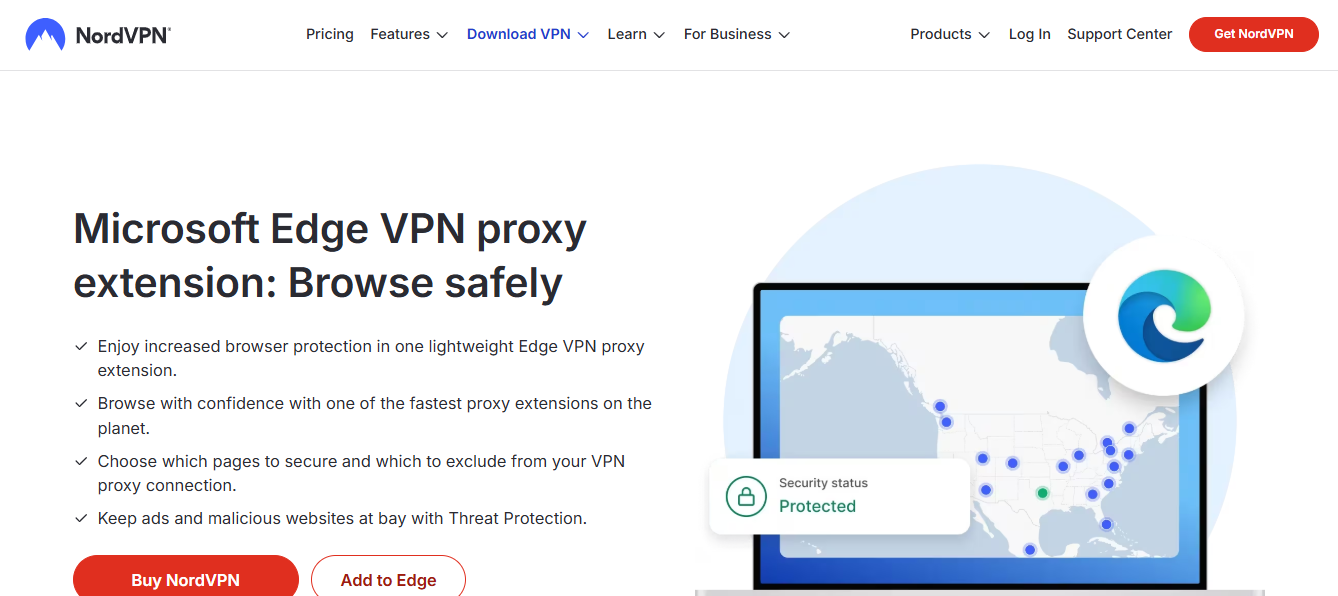
- Edge supports a variety of extensions from major VPN providers, giving you quick protection for your browsing without installing a full VPN app on every device.
- Important: Browser VPN extensions usually tunnel only the browser’s traffic, not all device traffic. If you want system-wide protection, you’ll need a full VPN client installed on the device.
Pros and cons of Edge VPN add-ons
Pros
- Quick to install and switch on/off
- Lightweight, minimal system impact
- Useful for securing public Wi-Fi when you’re on the browser
- Helps bypass some content restrictions for browser-based services
Cons
- Often only protects browser traffic, not other apps
- Some extensions are less transparent about data handling
- Performance can vary depending on the server and extension
- Some features like kill switch might be missing compared to full VPN apps
How to choose the right Edge VPN add-on
Consider these key factors
- Privacy policy and data logging: Look for “no-logs” claims and what data the extension collects.
- Jurisdiction: Where the VPN company is based can affect data requests from authorities.
- Speed and reliability: Check reviews or test data for typical speeds on the servers you’ll use.
- Compatibility: Ensure it works smoothly with Edge on your OS Windows, macOS, Android, iOS.
- Features: Kill switch, split tunneling, automatic reconnect, and DNS protection matter.
Quick rubric to pick one
- If you want minimal risk when on public Wi-Fi and only need browser protection, try a reputable browser extension with clear privacy terms.
- If you need system-wide protection across apps, go with a full VPN app in addition to or instead of a browser extension.
- If you frequently switch between devices, pick a provider with cross-device syncing and simple account management.
Step-by-step setup: Edge VPN add-ons
Step 1: Choose a reputable provider
- Do a quick sanity check: reputable company, clear privacy policy, independent audits if available, and strong encryption AES-256, modern protocols like WireGuard or OpenVPN.
Step 2: Install the Edge extension
- Open Edge and go to the Edge Add-ons store or the VPN provider’s site to install the extension.
- Confirm permissions the extension asks for often includes access to data on all websites and traffic. Only grant what’s needed.
Step 3: Create or sign in to your account
- If you already have a VPN account, sign in. If not, you’ll typically need to sign up and choose a plan.
- Some providers offer free tiers or trial periods—good for testing performance.
Step 4: Configure settings
- Enable the kill switch if available prevents data leaks if the VPN disconnects.
- Enable DNS protection to prevent DNS leaks.
- Consider enabling split tunneling if you want only certain sites or apps to go through the VPN.
- Choose a server location that matches your needs privacy, speed, or content access.
Step 5: Test the extension
- Visit a site that shows your IP location and confirm that it’s different from your real IP when the VPN is on.
- Run a quick speed test to gauge impact and adjust server location if needed.
Real-world use cases for Edge VPN add-ons
- Public Wi-Fi safety: When you’re at a cafe or airport, a browser VPN adds a layer of privacy for your browser sessions.
- Content access: Access region-locked content in your browser without changing device-wide settings.
- Quick privacy boost: For casual browsing, a quick turn-on before you start a session can be convenient.
Security best practices with Edge VPN add-ons
- Always review permissions before installation.
- Keep the extension updated; developers push security patches regularly.
- Don’t rely on a single extension for all security needs—combine with strong device security practices e.g., up-to-date OS, antivirus, strong passwords.
- Be mindful of the data the extension may collect and share; choose providers with transparent policies.
- If you’re handling highly sensitive information, use a full VPN client or a trusted security setup beyond just a browser extension.
Comparing popular Edge VPN add-ons quick snapshot
Provider A
- Protocols: WireGuard, OpenVPN
- Kill switch: Yes
- DNS protection: Yes
- Split tunneling: Yes
- Logging policy: No-logs
Provider B
- Protocols: WireGuard
- Kill switch: No
- DNS protection: Yes
- Split tunneling: No
- Logging policy: Some logs retained permitted by policy
-
- Protocols: OpenVPN, IKEv2
- Kill switch: Yes
- DNS protection: Yes
- Split tunneling: Yes
- Logging policy: Minimal logging
Note: These are representative summaries. Always verify the latest specs from the provider's website.
Performance considerations and data you can rely on
- Browser VPN extensions can cause noticeable latency on some servers, especially if the server location is far away.
- Edge extensions with WireGuard usually offer better speeds and lower battery usage than older OpenVPN-based extensions.
- For best results, test multiple servers and locations to find a good balance between speed and access requirements.
Privacy and policy takeaways
- No-logs claims are common, but you should verify through independent audits when possible.
- Some extensions may collect browsing data or telemetry; review the privacy policy and permissions.
- Regional data requests can apply to the VPN provider; consider a provider with strong privacy protections and a favorable jurisdiction.
Common issues and troubleshooting
- Connection drops: Check for updates, toggle the server, or restart Edge.
- DNS leaks: Ensure DNS protection is enabled; if still leaking, try a different server or another extension.
- Slow speeds: Switch to a nearby server or try a different provider with better performance.
- Incompatibility: Some sites block VPN traffic; in these cases, test with another server or disable the extension and use the full VPN app if needed.
Advanced tips for power users
- Use split tunneling to keep streaming services outside the VPN while protecting sensitive work sites.
- Combine with a strong password manager and two-factor authentication for your VPN account.
- Regularly review your extension’s permissions and revoke access to unused ones.
- Consider a VPN that supports automatic startup on Edge or the option to auto-connect when you launch the browser.
FAQ Section
How do I install a VPN add-on in Edge?
Install from the Edge Add-ons store or the provider’s website, then sign in and configure the settings as needed.
Do Edge VPN add-ons protect all my internet traffic?
No, typically they protect traffic within the browser. For device-wide protection, install a full VPN client.
Are Edge VPN add-ons safe?
Yes, when you choose reputable providers with clear privacy policies and permissions. Always review what data is collected.
Can I use multiple VPN add-ons at once in Edge?
It’s not recommended; extensions can conflict. Choose one trusted extension per browser. Ubiquiti er-x vpn setup guide for remote access and site-to-site VPN using IPsec, OpenVPN, and WireGuard on EdgeRouter X 2026
Do VPN add-ons slow down browsing?
Often yes, due to encryption and routing; performance depends on server distance and provider.
Should I enable split tunneling?
If you want only certain sites or apps to use the VPN, enable split tunneling. Otherwise, leave it off for full protection.
What is a kill switch, and should I use it?
A kill switch stops traffic if the VPN drops, preventing leaks. It’s a good security feature to enable.
How can I test if my VPN is working?
Check your IP location via a site like whatismyip.com with the VPN on and off; also test for DNS leaks.
Which server location should I pick?
Choose based on speed and content access needs. Proximity usually means faster speeds; distant locations can unlock more content. Urban vpn chrome plugin comprehensive guide to Chrome VPN extensions, setup, features, security, and performance 2026
Can a VPN add-on leak my real IP?
If misconfigured or if DNS leaks occur, yes. Always enable DNS protection and test after setup.
How often should I update VPN add-ons?
Update them as soon as updates are available to patch security issues and improve performance.
Is a VPN add-on enough for privacy?
It’s a piece of the puzzle. Combine with strong device security, careful browsing practices, and regular privacy reviews.
Vpn add on edge: how to install, configure, and optimize a VPN extension in Microsoft Edge for privacy, security, and streaming
Vpn add on edge is a browser extension that routes Edge browser traffic through a VPN.
In this guide you’ll get a practical, step-by-step approach to using a VPN add-on in Edge, with real-world tips, setup steps, and best practices. You’ll learn what it is, why it’s useful, how to pick the right add-on, how to install and configure it, and how to troubleshoot common issues. Here’s the quick rundown of what you’ll get: Ubiquiti edgerouter x vpn setup guide for OpenVPN, IPsec site-to-site, and remote access on EdgeRouter X 2026
- How Edge VPN add-ons work and where they fit in your overall privacy toolbox
- A step-by-step installation and configuration guide
- Key features to look for and features to avoid in a good Edge extension
- Edge-specific considerations like DNS leaks, IPv6 handling, and browser-only protection
- Tips to optimize performance for streaming, gaming, and day-to-day browsing
- Practical security habits to pair with your add-on for stronger privacy
- A comparison between Edge add-ons and standalone VPN apps
- Hands-on troubleshooting for common hiccups
- Quick-start checklist so you can go from curious to protected in minutes
If you’re ready to make Edge safer without slowing down your browsing, this guide has you covered. And if you want a quick, hands-off option that’s easy to start with, check out NordVPN with this deal:
Useful Resources unlinked text
- NordVPN – nordvpn.com
- Microsoft Edge support – support.microsoft.com/edge
- Edge Add-ons store – microsoftedge.microsoft.com/addons
- What is a VPN? – en.wikipedia.org/wiki/Virtual_private_network
- VPN privacy basics – vpnsurveys.org/privacy-basics
- DNS leaks explained – bleepingcomputer.com
- IPv6 and VPNs – ifixit.com/ipv6-vpn
- Streaming with a VPN – techradar.com/vpn-streaming-tips
Body
What is a VPN add-on for Edge and how it works
A VPN add-on for Edge is a browser extension that creates a secure tunnel for the browser’s traffic. When you enable the extension, your browser’s requests are routed through the VPN service’s servers, masking your real IP address and encrypting data in transit. There are two main flavors you’ll encounter:
- Browser-only VPN extensions: These encrypt traffic for the Edge browser specifically. They don’t always protect other apps on your computer unless the VPN provider’s system-wide app is also active.
- System-wide VPN apps with Edge support: Some providers offer a desktop app that covers all traffic, with the Edge extension serving as a control panel or quick-switch interface.
For many users, a well-chosen Edge VPN add-on provides a quick privacy shield for everyday browsing, streaming, and casual use. It’s especially handy if you don’t want to install a full VPN client or if you primarily browse in Edge. However, there are trade-offs to consider, which we’ll cover in depth later. Ubiquiti edgerouter vpn client setup guide for OpenVPN IPsec and WireGuard on EdgeRouter 2026
From a data perspective, VPNs exist to achieve three core goals: privacy, security, and access. On the privacy side, a VPN hides your real IP from websites and advertisers, making traffic appear to come from the VPN server. On the security side, encryption protects data in transit from eavesdroppers on public Wi-Fi or shared networks. And for access, VPNs let you appear in different geographic locations to reach region-locked content. Edge add-ons typically emphasize convenience and speed, offering a lightweight layer of protection right where you browse.
Why use a VPN add-on in Edge
Edge users often choose a VPN add-on for several practical reasons:
- Quick protection while browsing: A lightweight extension can be turned on or off with a single click, giving you immediate privacy for web-based activity.
- Convenience on shared networks: If you’re at a coffee shop or library, an Edge extension makes it fast to secure browser traffic without changing system-wide settings.
- Geo-access for content: Many websites and streaming services use geographic restrictions. A good Edge add-on can help you access content by connecting to a server in the desired region.
- Reduced tracking surface: Browser-level privacy controls complement other protections like private browsing, cookie management, and anti-tracking extensions.
- Lower friction for beginners: For someone new to VPNs, an Edge add-on provides a simple entry point compared to configuring a full VPN client.
That said, there are important caveats:
- Edge add-ons typically cover only browser traffic. If you want blanket protection for all apps on your device, you’ll want the provider’s full desktop app.
- Some add-ons are free or cheaper but come with limits e.g., fewer server locations, slower speeds, or data caps. Premium options usually unlock higher performance and more servers.
- Not all Edge extensions implement perfect DNS and IPv6 handling. A leaky extension can still expose your activity in some scenarios, so you’ll want to test for leaks more on this below.
Statistics and industry context help frame why people flock to these tools. The global VPN market was growing rapidly in recent years, with estimates placing it in the tens of billions of dollars and continuing to expand as more people work remotely, stream content, and seek privacy online. Browser-based VPNs are a slice of that market, and Edge-specific use cases—like quick privacy checks during browsing or on shared networks—keep demand steady. If you value simplicity and speed for browser tasks, an Edge add-on is a sensible first step.
How to choose the right Edge VPN add-on
Choosing the right Edge VPN add-on isn’t just about price or a big list of servers. Here’s a practical framework to help you pick. Vpn premium price: How Much VPNs Cost, What You Get for the Money, and How to Save on Your Next Plan 2026
- Privacy policy and logging: Look for a clear no-logs policy and transparency about data handling. Some providers log metadata or connection data. others don’t. Read the policy and look for independent audits.
- Encryption and protocol support: A solid Edge extension should offer strong encryption AES-256 or equivalent and modern protocols OpenVPN, WireGuard, or the provider’s optimized protocol. Avoid extensions that use weak encryption or nonstandard protocols.
- DNS handling and leaks protection: Verify whether the extension blocks DNS leaks for browser queries and whether it provides IPv6 leak protection. DNS leaks can reveal your real identity even when the VPN is connected.
- Kill switch browser-level or system-wide: A kill switch prevents traffic if the VPN disconnects. In browser extensions, this is critical because a drop in the VPN can otherwise expose your browsing data.
- Server locations and performance: Access to a broad set of servers matters for both privacy and streaming. More servers generally mean better performance and less congestion.
- Additional features: Split tunneling, auto-connect on startup, ad and malware blocking, multi-hop routing, and compatibility with Edge features like vertical tabs or collections can influence your experience.
- Device compatibility and multi-platform support: If you use multiple devices, you’ll want a provider that offers cross-platform apps or easy sign-ins across devices.
- Price, guarantees, and refund policy: Transparent pricing and a reasonable money-back guarantee reduce risk. Look for long-term plans and renewal terms that fit your budget.
- Community feedback and reliability: Look at user reviews and independent test results. Real-world performance with Edge can vary, so prioritize providers with a track record of reliability.
Edge-specific tips:
- Prefer extensions that clearly indicate they protect only Edge traffic versus those making system-wide claims unless you’re sure you want full device protection.
- Check for extension updates and how aggressively the provider maintains the add-on. A neglected extension can become insecure over time.
Step-by-step: install and configure a VPN add-on for Edge
Follow these steps to set up a VPN add-on in Edge. The process is straightforward, but a careful setup pays off in privacy and performance.
- Open Edge and visit the Edge Add-ons store
- In Edge, click the three-dot menu at the top-right, choose Extensions, then Open Microsoft Edge Add-ons store.
- If you already know your provider, you can search directly for their Edge extension.
- Choose your VPN add-on
- Read the extension description and reviews. We’re looking for a reputable provider with clear privacy statements and recent updates.
- Verify the extension is the official one from the VPN provider, not a third-party clone.
- Install the extension
- Click Add to Edge, confirm permissions, and wait for the installation to complete.
- After installation, you’ll typically see the VPN icon in the Edge toolbar.
- Create or sign into your VPN account
- Open the extension, sign in with your VPN account, or create a new one if you don’t have it yet.
- Some providers offer a free tier or a trial. if you’re new, you can start with a short trial to test performance.
- Configure essential security options
- Enable the built-in kill switch to block traffic if the VPN unexpectedly disconnects.
- Turn on DNS protection if available to prevent DNS leaks for browser queries.
- If the extension supports IPv6 management, disable IPv6 for extra privacy on platforms where IPv6 leaks are a concern.
- Consider enabling auto-connect on startup for automatic protection when you boot your PC.
- Pick a server location
- Depending on your goal privacy, streaming, or bypassing geo-restrictions, choose a location that fits. East/West coast in the US may give you lower latency for US services, while European servers can be good for legibility in European websites.
- If you’re streaming, pick a server known for stable performance with your streaming service. If you’re just browsing privately, any location will do.
- Test your connection
- Visit a site that shows your IP e.g., whatismyipaddress.com with the VPN on to confirm your IP has changed and the connection appears encrypted.
- Run a quick DNS leak test e.g., dnsleaktest.com to ensure your DNS requests aren’t leaking your real address.
- Optional advanced tweaks
- Enable split tunneling if available to route only specific sites through the VPN while the rest of your traffic goes direct.
- Set up auto-reconnect and a preferred protocol if the extension supports multiple options.
- If you use Edge for work, check whether your corporate network policies allow VPN usage through the browser extension and comply with IT requirements.
- Regular maintenance
- Keep the extension updated. enable automatic updates in Edge to receive security patches.
- Periodically re-check your IP, DNS leaks, and firewall settings to ensure you maintain protection.
- Cross-device considerations
- If you later want full device protection, download the provider’s desktop app and pair it with Edge. This gives you system-wide encryption in addition to browser-level privacy.
Performance note:
- VPN extensions for Edge typically introduce some latency due to routing and encryption. If you’re a gamer or want ultra-low latency, you may notice a slight slowdown. For general browsing and streaming, many users find the impact minimal, especially on high-speed connections.
Edge-specific considerations: DNS, IPv6, and leaks
Browser-based VPN extensions sit at an intersection between your browser and the broader network stack. Here are the key edge-specific concerns to keep in mind:
- DNS handling: Even with a VPN extension, DNS requests can reveal your location if they go to your ISP’s servers. Look for extensions that enforce DNS over HTTPS DoH or DNS leak protection. Test periodically with a dns leak tool.
- IPv6: Some VPNs don’t handle IPv6 traffic well through the browser extension. If your system supports IPv6, you might get leaks unless the extension blocks IPv6 or you disable IPv6 on your device. If the extension supports IPv6, enable it cautiously. if not, consider turning IPv6 off for extra privacy.
- Kill switch: A browser-only kill switch is essential. If the extension disconnects, you want to ensure Edge blocks requests rather than sending them unencrypted.
- WebRTC leaks: WebRTC can leak your real IP address even when a VPN is on. A practical workaround is to disable WebRTC in Edge using browser flags or privacy-focused extensions, or rely on a VPN provider that mitigates WebRTC leaks.
- Extensions vs. system-wide protection: A browser extension protects only browser traffic. other apps on your device remain unprotected unless you’re using the provider’s full desktop app. For comprehensive privacy, pair the Edge extension with a full VPN app if you need device-wide encryption.
- Ad-blocking and malware protection: Some VPN add-ons include extra features like ad blocking or malware protection. While helpful, keep in mind these features consume resources and may affect page loading times.
Privacy and security best practices when using Edge VPN add-ons
- Always enable the kill switch before browsing if your priority is privacy. A sudden disconnect can otherwise expose you.
- Use a reputable provider with a transparent no-logs policy and independent audits when possible.
- Pair with a strong browser hygiene routine: regular updates, minimal tracking extensions, and robust password management.
- Reserve sensitive activity for trusted environments. If you’re handling highly sensitive information, consider using the provider’s desktop app for device-wide protection and enabling additional security layers firewall rules, multi-factor authentication, etc..
- Verify server trust and data policies before switching servers. Some servers may be more privacy-friendly than others depending on local data retention laws and company practices.
- Limit WebRTC leaks with either Edge settings or privacy extensions designed to mitigate WebRTC exposure.
Performance, streaming, and how to maximize Edge VPN add-on benefits
- Server choice matters more than you might think. A local server can reduce latency for normal browsing, while a distant server may be necessary to access geo-blocked content.
- For streaming, pick servers known for stability and speed with your content service. If you’re having buffering, switch to a different server or a different protocol if supported.
- Protocol choice can influence speed and reliability. WireGuard-based or OpenVPN-based extensions often strike a good balance between speed and security. If your provider mentions a proprietary protocol, test its performance versus a standard one.
- Cache your configurations. Some add-ons allow you to pre-save favorite servers so you can switch quickly during streaming or gaming sessions.
- Check for DNS and IPv6 leaks after switching servers. Sometimes a change in server location can reveal a leak if the extension isn’t handling DNS requests properly.
Edge vs standalone VPN apps: a quick comparison Vpn for edge download: how to securely use a VPN with Microsoft Edge for updates, browsing, and region access 2026
- Edge VPN add-ons are fast to enable and great for quick privacy checks while browsing. They’re ideal for casual use, lightweight privacy, and immediate geo-access for specific sites.
- Standalone VPN apps provide system-wide coverage, including non-browser traffic e.g., email clients, games, desktop apps. They typically offer more server options, advanced features like kill switches that cover all traffic, and tighter privacy controls.
- If you do a lot of work on your device or handle sensitive data beyond Edge, a full VPN client is usually the better choice. You can still use the Edge extension for quick toggling and browser-level control.
Troubleshooting common issues
- Extension not connecting: Check your internet connection, ensure you’re signed in to the VPN account, and verify you’re using the latest version of Edge and the extension. Sometimes a quick reinstall helps.
- Slow speeds: Try a different server location, switch to a different protocol if available, or disable other bandwidth-heavy extensions to reclaim bandwidth.
- DNS leaks: Run a DNS leak test. If leaks persist, enable DoH in Edge if your provider supports it or consider a different server/location. You may also need to disable IPv6 if your extension doesn’t handle it well.
- WebRTC leaks: Disable WebRTC in Edge or use a privacy extension that blocks WebRTC. If you’re comfortable, an upgrade to a desktop VPN app can also help by masking real IP addresses system-wide.
- Connection drops: Enable auto-reconnect and ensure your kill switch is active. If the problem continues, try a different server or contact your provider’s support.
- Geo-blocks still in effect: Some streaming services actively block VPNs. Try a different server or a server in a nearby country that is still allowed by the service. If you’re hitting frequent blocks, you may need a more robust VPN with more servers and better anti-blocking technology.
- Browser performance issues: Some extensions can slow down page loads slightly. If you notice lag, try a server closer to your location or disable non-essential browser extensions running in parallel.
Multi-device and family usage
If you’re protecting multiple devices or sharing a network with family, think about a multi-device plan. Some providers include multiple simultaneous connections, which lets you secure Edge on several machines or use VPN on your phone, tablet, and laptop. When using the Edge add-on on a shared device, ensure each user signs in with their own account. This keeps logs, preferences, and server favorites separate and reduces cross-user data aggregation.
Security-conscious browsing habits that complement Edge VPN add-ons
- Enable a robust password manager and two-factor authentication for your VPN account and other critical services.
- Use HTTPS websites whenever possible. An extension that forces HTTPS-only connections can improve security on open networks.
- Regularly clear cookies and use anti-tracking features to reduce fingerprinting opportunities.
- Keep your device’s firewall enabled and ensure the VPN is allowed through it.
- Be mindful of public Wi-Fi. Even with a VPN, sensitive actions like banking on untrusted networks require caution. Prefer private networks or trusted hotspots.
FAQ Frequently Asked Questions
What exactly does an Edge VPN add-on protect?
An Edge VPN add-on protects the browser traffic that passes through Edge, encrypting it and masking your IP for websites you browse within Edge. It does not always protect other apps on your computer unless paired with the provider’s full desktop app.
Do I still need a full VPN app if I use the Edge add-on?
If you want device-wide protection across all apps, yes. The Edge add-on is great for quick browser privacy, but a desktop VPN app covers all traffic, including apps outside Edge.
Can I use the Edge VPN add-on with streaming services?
Yes, many people use Edge VPN add-ons to access geo-restricted content. Just be aware that some services actively block VPN traffic, so you may need to switch servers or try a provider with strong anti-blocking features.
Will a VPN add-on slow down my browsing?
A small slowdown is common due to encryption and routing. The impact varies by server distance, protocol, and your base internet speed. Choosing nearby servers and a modern protocol can minimize the effect. Vpn for edge browser: how to set up, best extensions, and privacy tips for Windows in 2026
How do I test if the VPN is working in Edge?
Turn on the add-on, then visit a site like whatismyipaddress.com to verify your IP has changed. Run a DNS leak test to ensure your DNS requests aren’t leaking. Check that WebRTC isn’t leaking your real IP.
What about IPv6 and DNS leaks?
Some add-ons handle DNS leaks well. others don’t. If you’re worried about leaks, disable IPv6 on your device or enable DNS leak protection in the extension. Run repeated tests after changes.
Is there a difference between Edge extensions and Chrome/Firefox VPNs?
The core VPN functionality—encryption and IP masking—remains similar. The main difference is scope: Edge extensions protect only Edge traffic unless you use a full desktop app. Other browsers have similar browser-extension approaches with their own caveats.
How many servers should I look for in a VPN add-on?
More servers usually mean more options for bypassing restrictions and better performance under load. Look for providers with a broad geographic spread, decent speeds, and reliable uptime.
Can I use a VPN add-on on Windows, macOS, and Linux?
Edge extensions run within the Edge browser on each platform. For full device-wide protection, you’ll want the provider’s desktop app on Windows, macOS, or Linux. Vpn similar to ultrasurf for bypassing censorship and privacy: best alternatives, setup guides, and safety tips 2026
How do I troubleshoot a VPN that won’t connect in Edge?
First, restart Edge and re-enable the extension. Check your internet connection, sign in again, and try a different server. If it still won’t connect, update Edge, update the extension, and consider reinstalling. If problems persist, contact customer support.
Are there privacy concerns with VPN add-ons?
As with any privacy tool, read the privacy policy carefully. Some extensions collect data or metadata. Choose a reputable provider with a transparent policy and independent audits when possible.
Can I set up auto-connect for the Edge VPN add-on?
Many extensions offer auto-connect on startup or when you join new networks. This is handy for ensuring you’re protected on untrusted networks.
Do VPNs protect against all tracking online?
VPNs mask your IP and encrypt traffic, which helps privacy, but they don’t guard against all tracking methods like browser fingerprinting or malware. Use a layered approach: privacy-focused browsing, anti-tracking extensions, safe browsing habits, and regular software updates.
Final notes and quick-start checklist
- Start with a trusted provider’s Edge extension and test a few servers to understand performance and reliability.
- Enable kill switch, DNS protection, and IPv6 handling options as available.
- Pair with a full VPN app if you want device-wide protection and advanced features.
- Regularly verify your IP and test for leaks to ensure protections remain active.
- Keep Edge and all extensions updated to minimize security risks.
If you’re after a fast, reliable Edge experience with strong privacy protections, this Edge-focused flow is designed to be beginner-friendly while offering enough depth for power users. The right Edge VPN add-on makes your daily browsing simpler, safer, and more flexible—without forcing you into a complicated setup. Vpn on edge best practices for secure browsing, privacy, and streaming on edge devices and routers 2026
海鸥vpn 使用指南与评测:在中国境内外如何保护隐私、提升上网体验与解锁全球内容