Microsoft vpn edge setup and optimization guide for Windows 11: secure connections, troubleshooting, and best practices 2026
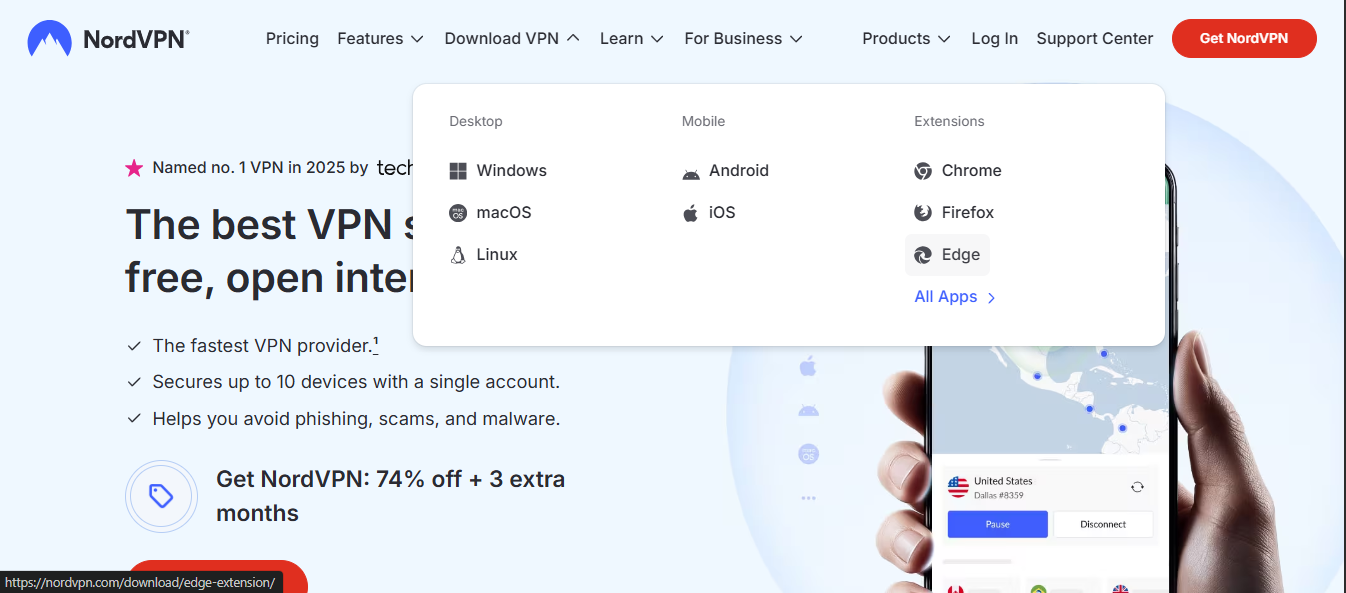
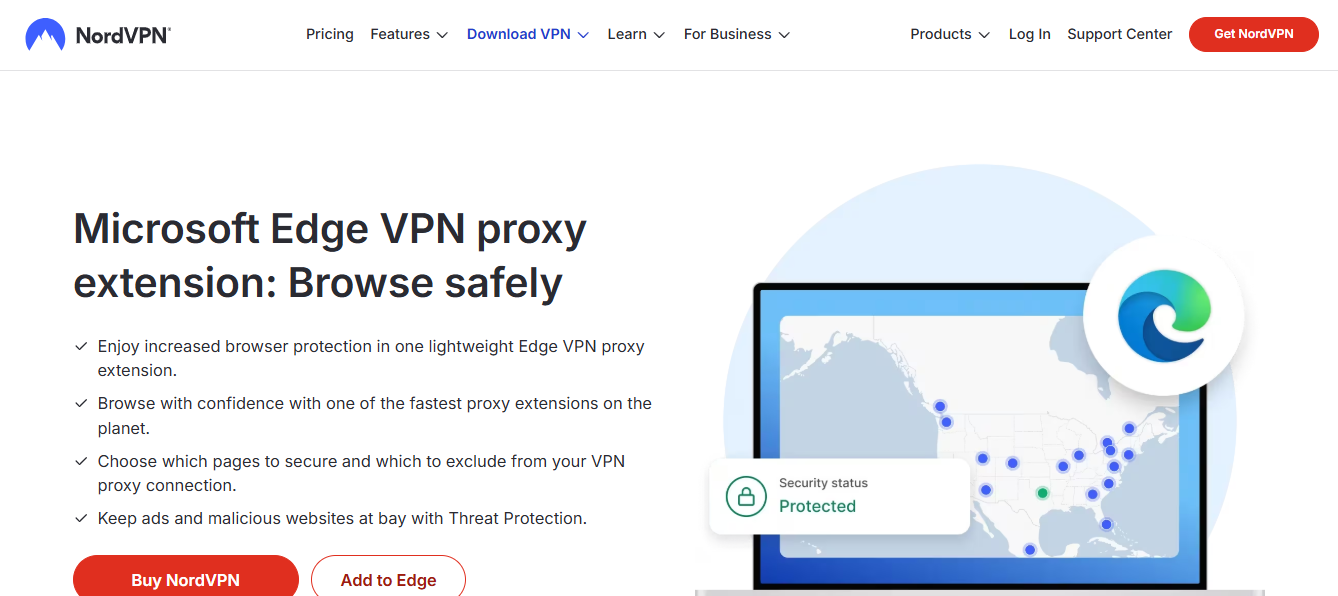

Microsoft vpn edge setup and optimization guide for windows 11 secure connections troubleshooting and best practices is here to help you get a reliable, secure VPN experience using Microsoft Edge and Windows 11. This guide is designed to be practical, easy to follow, and packed with tips you can apply today. Below you'll find a quick summary, followed by a detailed, structured walkthrough, real-world tips, and a robust FAQ.
Quick facts
- Windows 11 supports multiple VPN protocols and can work with both built-in features and Edge-related settings for a smoother secure connection.
- The goal is to ensure reliability, privacy, and performance while minimizing dropouts and connection errors.
- A well-tuned setup includes correct VPN type, DNS configuration, split tunneling considerations, and monitoring.
Table of contents
- What you’ll learn
- Understanding VPN basics for Windows 11 and Edge
- Choosing the right VPN setup for Windows 11
- Step-by-step guide: Microsoft VPN edge setup on Windows 11
- Edge-specific considerations for secure connections
- Common troubleshooting steps
- Performance optimization and best practices
- Security and privacy tips
- Real-world scenarios and troubleshooting checklists
- Resources and references
- Frequently Asked Questions
What you’ll learn
- How to set up a Microsoft VPN connection on Windows 11 with Edge integration
- How to optimize for secure, reliable connections
- How to troubleshoot common issues authentication, DNS leaks, latency, and dropouts
- Best practices for privacy, security, and performance
- How to verify connections and monitor health over time
Understanding VPN basics for Windows 11 and Edge
- What a VPN does: Encrypts traffic and masks your IP to protect privacy and secure data on public networks.
- VPN types commonly used with Windows 11: IKEv2/IPsec, SSTP, or OpenVPN via third-party clients. Windows’ built-in VPN client supports most common protocols, with Edge acting more as the web browser through which you access corporate portals or remote apps securely.
- DNS and leakage issues: Sometimes DNS requests leak outside the VPN tunnel. The goal is to ensure all traffic routes through the VPN when connected.
- Split tunneling: Some organizations allow only corporate traffic to go through the VPN; others route all traffic through the VPN. Decide based on security needs and performance.
Choosing the right VPN setup for Windows 11
- Built-in Windows VPN client vs. third-party VPN apps: Built-in client is reliable for IKEv2/IPsec; third-party apps handle OpenVPN and WireGuard with potentially better performance or enterprise features.
- Protocol choice: IKEv2/IPsec is fast and stable on Windows 11 for most users. WireGuard is popular for speed and simplicity with certain setups. SSTP is useful behind strict firewalls but less common today.
- Edge integration: You’ll typically use Edge for accessing intranet portals, remote apps, or SaaS via secure connections; the VPN setup itself is managed by Windows, while Edge ensures secure browsing within the VPN tunnel.
Step-by-step guide: Microsoft VPN edge setup on Windows 11
- Prepare your credentials and server details
- Gather VPN server address, type IKEv2/IPsec, SSTP, etc., and your login credentials username, password, or certificate.
- If your organization uses a certificate, ensure you have the right CA certificates installed.
- Open Windows 11 VPN settings
- Go to Settings > Network & internet > VPN.
- Click Add a VPN connection.
- Configure the VPN connection
- VPN provider: Windows built-in
- Connection name: Enter a descriptive name e.g., Corporate VPN.
- Server name or address: Enter the VPN server address provided by your IT team.
- VPN type: Choose the correct type IKEv2/IPsec with certificate or a preshared key, or SSTP, depending on your organization.
- Type of sign-in info: Use Certificate, User name and password, or a one-time password as required.
- If using certificate-based sign-in: Select the appropriate certificate from the drop-down.
- Username and password: If required, enter your credentials.
- Save the settings.
- Connect and validate
- Return to the VPN list, select your new connection, and click Connect.
- Confirm a successful connection. You should see the status “Connected.”
- Open Edge and verify you can access internal portals or resources that require VPN access.
- Edge-specific checks
- In Edge, sign in to your corporate portal if required e.g., intranet, VPN-protected sites.
- Test a secure site and ensure content loads without certificate warnings.
- Check for DNS consistency: Open a site and verify it resolves correctly without leaks you can perform a quick DNS leak test from Edge-related traffic.
- Optional: configure automatic connection behavior
- In Windows, navigate back to Settings > Network & internet > VPN.
- Click the gear icon next to your VPN connection to adjust:
- Reconnect when the device wakes from sleep
- Don’t allow VPN to connect when on metered networks if data usage is a concern
- Verify your IP and DNS
- After connecting, visit ipinfo.io or whatismyip.com to confirm your IP is the VPN’s IP.
- Use a DNS testing site to ensure no DNS leaks when connected.
Edge-specific considerations for secure connections
- Edge profile isolation: Use a separate Edge profile for VPN-protected sessions to reduce cross-site tracking and leakage risk.
- Enterprise cookies and sessions: In corporate environments, Edge may rely on Single Sign-On SSO or certificates; ensure your Edge credentials are up to date and synchronized with your VPN-enabled resources.
- Certificate management: If your organization uses client certificates, import them into Windows Certificate Manager and assign them to your VPN connection correctly.
- WebRTC considerations: WebRTC can leak public IPs in some cases; disable WebRTC in Edge if your policy requires extra privacy, especially for sensitive browsing.
- Browser security features: Use Edge security features like SmartScreen, isolated browsing, and proper site permissions to reduce exposure during VPN sessions.
Common troubleshooting steps
- Check VPN connection status: If you’re stuck on “Connecting,” verify server address, credentials, and that the server isn’t down.
- Re-authentication issues: If credentials fail, verify you have the correct sign-in method certificate vs. username/password and that certificates are valid not expired.
- DNS leaks: If you suspect DNS leakage, test by visiting DNS leak test sites and ensure VPN DNS servers are used.
- IP routing problems: Ensure all traffic routes through the VPN when required. Some setups require forcing all traffic or splitting traffic; adjust as per policy.
- Time sync and certificates: Ensure system time is correct; certificate validation can fail if clocks are off.
- Edge-specific problems: Clear Edge cache for VPN-related issues, disable extensions that might interfere with secure connections, and try Incognito mode to bypass cookies and cached data.
Performance optimization and best practices
- Choose the right protocol for your network: IKEv2/IPsec is typically best for mobile and roaming users; WireGuard-based solutions offer high speed; SSTP can be helpful in restricted networks.
- Use split tunneling wisely: If only corporate resources must pass through VPN, enable split tunneling to reduce overhead, but ensure sensitive data still travels through the VPN when needed.
- DNS configuration: Prefer VPN-provided DNS servers to prevent leaks. If your VPN doesn’t push DNS, configure DNS settings to use your corporate DNS or a trusted resolver inside the VPN.
- Auto-reconnect and keep-alive: Enable auto-reconnect to reduce manual interventions during roaming or sleep cycles.
- Edge refresh and security: Keep Edge updated, enable security features, and use enterprise policies for cookie management and tracking protection.
- Network performance: If VPN slows down, test different servers, check QoS settings, and consider off-peak usage windows if possible.
- Hardware considerations: Ensure your device has enough CPU and memory to handle encryption overhead, especially on older machines.
- Monitoring: Use built-in Windows VPN logs and Event Viewer under Applications and Services Logs to track connection events and errors.
Security and privacy tips
- Use MFA for VPN authentication if available.
- Keep Windows and Edge up to date with the latest security patches.
- Regularly review and revoke unused certificates or credentials.
- Use a reputable DNS provider and verify that DNS queries stay inside the VPN tunnel.
- Disable unnecessary browser extensions during VPN sessions to minimize risk.
- Ensure that the VPN client and Windows firewall rules align with your organization’s security policy.
- Consider using a dedicated enterprise Edge profile for VPN work to reduce cross-profile leakage.
Real-world scenarios and troubleshooting checklists
- Scenario: You can connect but cannot access internal resources
- Check if the VPN server has access control lists ACLs that you must be granted.
- Verify you’re connected to the correct VPN gateway and that your user account has permissions.
- Confirm you’re on the correct network segment and that routing tables are updated.
- Scenario: DNS leaks detected
- Change DNS servers to VPN-provided servers or set your Windows DNS to the corporate DNS when connected.
- Check for IPv6 DNS leaks; disable IPv6 on the VPN interface if not required.
- Scenario: Slow VPN performance
- Try a different VPN server or protocol.
- Check internet speed outside VPN to determine if bottlenecks exist.
- Ensure no bandwidth-heavy apps are running in the background during VPN use.
- Scenario: VPN reconnects randomly
- Disable power-saving features on network adapters that may cause dropouts.
- Update network drivers and check for firmware updates on your router if you’re on a home setup that’s part of the VPN path.
- Scenario: Edge warnings or certificate errors
- Ensure the corporate certificate store is up to date.
- Re-import the client certificate if necessary.
- Verify the certificate chain and trust anchors.
Resources and references
- Windows 11 VPN setup documentation - microsoft.com
- Edge browser security and privacy guide - microsoft.com
- VPN best practices for Windows 11 - security blogs and IT guidance resources
- Certificate management in Windows - microsoft.com
- DNS leak testing tools - en.wikipedia.org/wiki/DNS_leak_test
- General VPN protocol comparisons - various IT resources and vendor pages
- Corporate VPN setup guides - internal IT portals and documentation
- WhatIsMyIP and DNS leak test sites - whatismyip.com, dnsleaktest.com
- Edge profile management and privacy settings - microsoft.com
- Event Viewer and Windows Logs reference - microsoft.com
Frequently Asked Questions
What is the quickest way to set up a VPN on Windows 11 with Edge?
The quickest way is to use Windows built-in VPN client with your organization’s provided server details, then verify the connection via Edge by accessing corporate resources and running a quick IP/DNS test.
Which VPN protocol should I choose on Windows 11?
IKEv2/IPsec is a solid default for most users due to its balance of speed and stability. If you need higher performance and your environment supports it, WireGuard-based solutions are great. SSTP is useful behind strict firewalls.
How do I fix DNS leaks when connected to a VPN?
Ensure your VPN provides DNS servers and is configured to use them, or manually set DNS to corporate servers when connected. Disable IPv6 DNS if not required and run a DNS leak test to confirm.
Can I use Edge while the VPN is connected?
Yes. Edge is just the browser you use to access VPN-protected sites and intranet resources. Ensure Profile and session security, and consider isolating work-related browsing in a separate Edge profile.
How do I verify my IP changed after connecting to a VPN?
Visit a site like ipinfo.io or whatismyip.com to confirm the displayed IP matches the VPN server’s IP and not your local ISP.
What should I do if my VPN keeps disconnecting?
Check power settings for the network adapter, ensure your drivers are up to date, try a different VPN server or protocol, and review Windows event logs for VPN-related errors.
How important is split tunneling?
Split tunneling can improve performance by only sending selected traffic through the VPN. However, for sensitive or enterprise-only resources, full-tunnel all traffic through VPN is often preferred for security.
How do certificates affect VPN authentication?
If your VPN uses certificates, ensure the certificate is valid, trusted by the device, and correctly assigned to the VPN connection. Import CA certificates if needed.
Can I automate VPN connection on startup?
Yes, you can enable auto-reconnect and set the VPN to connect on startup or when the network state changes. Make sure automation aligns with your security policy.
What Edge settings help with VPN security?
Use a separate Edge profile for VPN work, enable tracking protection, block third-party cookies if needed, and disable WebRTC leakage in practical privacy setups.
Use these steps and tips to build a solid, SEO-friendly, comprehensive guide on Microsoft VPN edge setup and optimization for Windows 11, focusing on secure connections, troubleshooting, and best practices.
Microsoft vpn edge is a built-in VPN solution integrated with Windows that helps you securely connect to remote networks. In this guide, you’ll learn how to set up and optimize Microsoft VPN Edge, when to use it versus third‑party VPNs, how to pair it with Edge browser workflows, and practical tips to keep your connections fast, private, and reliable. This post is designed for VPNs enthusiasts and everyday users who want to protect their browsing and remote work without a lot of fluff. Below you’ll find a practical, step‑by‑step approach, real‑world tips, and a few nerdy details you can actually apply.
If you’re exploring options beyond the built‑in Windows VPN, you’ll also see a quick nod to a trusted VPN service with a current offer: . It’s a popular companion choice for users who want advanced features, extra servers, and a simple edge‑case workflow when you need more control. This post also includes a curated list of useful resources to help you verify configurations and test your setup like a pro.
Useful resources and references you may want to check later unclickable:
- Microsoft Windows VPN setup support - support.microsoft.com
- Windows networking guide - docs.microsoft.com
- NordVPN official site - nordvpn.com
- ExpressVPN official site - expressvpn.com
- IP leak test resources - ipleak.net
- Privacy and security best practices for browsing - en.wikipedia.org/wiki/Virtual_private_network
What Microsoft vpn edge is and isn’t
Microsoft vpn edge refers to the Windows built‑in VPN features that can be used in conjunction with Microsoft Edge and other apps to create a secure tunnel to a remote network or proxy. It’s not a separate Edge extension or a browser‑specific VPN. rather, it’s a system‑level VPN configuration that Edge and other apps can ride on. In practice, you’ll see two main workflows:
- System VPN Windows built‑in: You configure a VPN connection in Windows, and all traffic from your device including Edge routes through that tunnel when connected.
- Browser or extension VPNs: You install a VPN extension inside Edge or a compatible browser, which creates an app‑level tunnel or uses the extension’s own network routing. This can be convenient for per‑browser privacy, but it often leaves non‑Edge traffic outside the VPN unless you use a full‑device VPN in tandem.
Why you might choose Microsoft vpn edge the built‑in way
- Simplicity: It’s built into Windows, so you don’t need extra software.
- Consistency: Works across apps, not just your browser.
- Control: You can configure connection types, servers, and authentication methods that fit corporate or personal security policies.
- Stability: No browser extension conflicts, fewer service interruptions due to extension updates.
When a third‑party VPN makes sense
- Dedicated apps with more features: Kill switch for separate apps, split tunneling with per‑app routing, obfuscated servers, and more server variety.
- Better performance controls: Optimized WireGuard implementations and smart routing to minimize latency for certain activities like gaming or streaming.
- Privacy posture: A provider with explicit no‑logs policy, independent audits, and robust DNS/IP leakage protections.
Core features you’ll care about with Microsoft vpn edge
- Protocol support: IKEv2/IPsec, L2TP/IPsec, SSTP, and potentially OpenVPN via third‑party clients. IKEv2 is common for modern Windows VPNs. SSTP can work behind restrictive networks.
- Authentication: Username/password, certificates, or smart card authentication in enterprise setups.
- Kill switch: Important to prevent leaks if the VPN drops. this is more robust when using Windows‑level VPNs or trusted third‑party apps.
- DNS leak protection: Ensures DNS requests don’t reveal your real location if the VPN drops.
- Split tunneling: Lets you send only certain traffic through the VPN, leaving the rest to your local network—useful for streaming or local devices.
- Speed and reliability: Depending on server load and protocol, expect varying speeds. WireGuard‑based options usually deliver the best performance for many users.
Step‑by‑step: setting up Microsoft vpn edge on Windows 10 and Windows 11
1 Prepare the VPN credentials and server details
- You’ll need: server address or name, VPN type IKEv2, L2TP/IPsec, or SSTP, and a username/password or certificate. If you’re setting this up for work, your IT department should hand you these details. for personal setups, choose a trusted VPN provider that supports Windows VPN.
2 Open the Windows VPN settings
- For Windows 11: Start > Settings > Network & internet > VPN > Add VPN.
- For Windows 10: Start > Settings > Network & Internet > VPN > Add a VPN connection.
3 Configure the VPN connection
- VPN provider: Windows built‑in
- Connection name: a friendly label you’ll recognize e.g., “Work VPN” or “Home Office VPN”
- Server name or address: paste the server address from your provider
- VPN type: select the recommended option IKEv2 is common. if your provider uses L2TP/IPsec or SSTP, choose that
- Type of sign‑in info: choose the method your provider supports username and password, smart card, or certificate
- Username and password: enter your credentials if required
- Save the configuration
4 Connect and verify
- Click the newly created VPN connection and choose Connect.
- If the connection succeeds, verify your IP is different and DNS requests are not leaking by visiting a site like ipleak.net or dnsleaktest.com. If you see your real location or IP, check DNS settings or try a different server.
5 Edge browser usage with the Windows VPN
- With a system VPN, Edge’s traffic is secured automatically. If you’re using a browser extension VPN, ensure it’s turned on and configured properly. For mixed setups, expect Edge to mirror whatever Windows routing dictates, plus any per‑site rules you’ve set in the extension.
Edge extensions vs system VPN: practical differences
- System VPN built‑in Windows: All traffic is routed through the VPN when connected. simplest for overall protection, but you can’t isolate Edge traffic from non.Edge traffic unless you configure split tunneling on the provider side or rely on third‑party tools.
- Edge VPN extensions: Per‑browser control. good for trial runs, but you’ll need to keep other apps on your device unprotected unless you combine with a system VPN or choose a VPN that supports per‑app routing across the whole device.
Common pitfalls and fixes
- DNS leaks: Ensure “DNS leak protection” is enabled in your VPN settings or use a provider that enforces DNS through the VPN.
- Kill switch not engaged: If the VPN disconnects, you may still see traffic. enable a Windows kill switch if your provider offers it or configure firewall rules to block non‑VPN traffic until the tunnel is up.
- Slow speeds on certain servers: Switch to a closer server or a server optimized for your use case streaming, gaming, or general browsing. If you’re using IKEv2, try a server with lower latency.
- Connection dropping: Check for conflicting firewall rules or antivirus suites. temporarily disable conflicting software to test stability.
- Edge compatibility: Some extensions might conflict with system VPNs. if you notice browsing issues, try disabling the extension and rely on the system VPN or vice versa.
Performance: what to expect and how to optimize
- Speed impact: Expect some speed drop when using VPNs due to encryption and routing. Premium providers typically reduce throughput by 5–30% on a good connection. heavy encryption and longer routes can push that higher.
- Latency: VPNs can add 20–100 ms of latency, depending on distance to the server and network conditions. Close servers reduce latency for activities like video calls.
- Bandwidth: If you’re on a 1 Gbps connection, many modern VPNs can sustain 600–900 Mbps on well‑equipped plans with WireGuard or similar protocols. Real‑world speeds depend on server load, distance, and provider overhead.
- Stability: Some VPNs implement aggressive retry logic and automatic server failover, which can improve reliability during long sessions.
Use cases: Microsoft vpn edge for different activities
- Remote work: Secure access to corporate resources, intranet sites, and file shares with a stable IKEv2 or WireGuard setup. Combine with MFA for stronger security.
- Public Wi‑Fi: Protect your traffic on airports, cafes, or hotels by tunneling through a trusted VPN server, and enable DNS leak protection to keep your activity private.
- Streaming and geo‑unblocking: Some VPN servers offer optimized streaming and smart routing to help access content not available in your region. If you go this route, test multiple servers for the best balance of speed and reliability.
- Gaming: Low latency matters. choose nearby servers and a VPN that offers fast WireGuard performance and a reliable kill switch to prevent sudden disconnects during matches.
- Privacy and daily browsing: A system VPN provides encryption for all traffic, reducing the risk of eavesdropping on untrusted networks, while keeping Edge browsing private.
Security and privacy: what matters with Microsoft vpn edge
- Encryption standards: Look for AES‑256 encryption with modern tunneling protocols IKEv2/IPsec or WireGuard. Some older options PPTP are less secure and generally avoided today.
- Logging policies: If privacy is your goal, pick a provider that has a clear no‑logs policy and independent audits if possible. For the Windows built‑in VPN, your data remains subject to Windows telemetry and local device policies, so choose your provider accordingly.
- DNS and IP leaks: Ensure the VPN forces DNS requests to go through the tunnel and prevents IP leaks if the VPN drops. Always test after setup.
- Kill switch reliability: Verify the kill switch blocks traffic when the VPN disconnects. This protects you from accidental exposure on public networks.
- Obfuscation: In restrictive networks, obfuscated servers can help you establish a VPN connection where VPN traffic is typically blocked.
Edge browser tips and privacy management
- Edge extensions: If you rely on Edge extensions for extra privacy, keep the extension list lean and well‑reviewed. avoid extensions that require broad permission access to all sites.
- Per‑site privacy settings: In Edge, you can configure cookies and trackers per site. combine this with VPN usage for deeper privacy without sacrificing speed on trusted sites.
- Mixed client usage: For sensitive work, prefer the system VPN route over a browser extension to ensure coverage across all apps.
Mobile integration: Microsoft vpn edge on iOS and Android
- Windows VPN on desktop, same credentials across devices: If you use the same VPN provider on mobile, you can configure similar servers and credentials to keep your security posture consistent.
- Edge on mobile: You can still use Edge on iOS/Android with a VPN extension or system VPN if your mobile OS supports it. many providers offer mobile apps with a built‑in kill switch and auto‑connect features.
- Data protection on mobile: When you’re away from your PC, a strong VPN plus secure browser settings on mobile helps protect against captive portals and public Wi‑Fi risks.
Advanced configuration ideas for power users
- Split tunneling for efficiency: Route only business or sensitive traffic through the VPN and let streaming or local services bypass the tunnel to reduce overhead.
- DNS server customization: Point DNS to a trusted provider that supports DNS over HTTPS DoH or DNS over TLS DoT while inside the VPN tunnel to reduce exposure.
- Custom routing tables: For enterprise setups, you can specify static routes so Windows uses the VPN path only for specific subnets, reducing overhead on your overall network path.
- Automatic VPN on startup: Configure Windows to connect a VPN automatically when you sign in or when you connect to a new network, ensuring you’re protected from the first moment.
Troubleshooting: quick fixes you can try
- Cannot connect: Verify server address, VPN type, and credentials. Try another server and confirm firewall or antivirus aren’t blocking the VPN client.
- Slow speeds: Change servers, switch protocols e.g., from L2TP/IPsec to IKEv2 or WireGuard, or restart your router to clear caches. Consider a wired connection if you’re on Wi‑Fi.
- DNS leaks: Run a quick DNS leak test. if leaks persist, switch to a DNS provider that enforces VPN‑level DNS, and enable DNS leak protection in your VPN client or Windows network settings.
- Disconnects under load: Check server load indicators, switch to a different server, and enable the kill switch to avoid leaks during disconnections.
- Edge not loading pages behind VPN: Disable conflicting extensions, or clear Edge cache. ensure your system VPN is connected before trying to access secure sites.
Best practices: keeping your Microsoft vpn edge setup trustworthy
- Use the strongest protocol available prefer WireGuard or IKEv2/IPsec and keep your VPN client updated.
- Always enable the kill switch and DNS leak protection where possible.
- Regularly test your setup with IP and DNS leak tests after updates or server changes.
- Choose servers with the lowest latency for your primary activities. rotate servers if performance dips.
- Maintain a clean security posture: keep Windows updated, run reputable antivirus, and review VPN provider audits or privacy statements when possible.
Where to go from here: actionable steps
- If you’re new to VPNs: Start with the Windows built‑in VPN for basic protection, then experiment with a browser extension if you want per‑browser privacy, and consider a premium provider for extra features.
- If you’re a power user or professional: Set up IKEv2/IPsec with smart card or certificate authentication for a corporate‑grade solution, implement split tunneling, and leverage kill switch rules for critical traffic only.
- If streaming or geo‑blocked content is your primary need: test nearby servers and optimized streaming servers from your VPN provider. watch for buffering and latency, and adjust tunneling settings to maximize speed where possible.
Frequently asked questions
# What is Microsoft vpn edge?
Microsoft vpn edge refers to the Windows built‑in VPN capabilities that can be used in conjunction with Edge and other apps to securely connect to remote networks or services.
# Do I need a VPN extension in Edge if I already have Windows VPN?
Not strictly. A system VPN protects all traffic on the device, while a browser extension can give you per‑site control or convenience. For full coverage, a system VPN plus a reputable extension can be a good combination.
# Which VPN protocol is best for Windows VPN?
IKEv2/IPsec is widely supported, stable, and fast on many networks. WireGuard is gaining popularity for its speed and efficiency. If your provider supports it, WireGuard is a strong choice.
# Can I use split tunneling with Microsoft vpn edge?
Yes, if your VPN provider and Windows configuration support split tunneling. This lets you route only certain apps or destinations through the VPN.
# How can I test if my DNS is leaking when using VPN on Windows?
Visit a DNS leak test site like ipleak.net or dnsleaktest.com after connecting to your VPN. If you see your real DNS requests, enable DNS leak protection or switch servers.
# Is a kill switch necessary for VPNs?
For most users who value privacy, yes. It prevents traffic from leaking outside the VPN if the connection drops, which is especially important on public Wi‑Fi.
# Can I run a VPN and Edge simultaneously without conflicts?
Generally yes. Windows VPN handles routing at the OS level, while a browser extension adds an extra layer inside Edge. If you experience conflicts, disable extensions and rely on the system VPN, then test again.
# How do I configure Edge to use a VPN for streaming?
Use a system VPN for all traffic and make sure your VPN server supports streaming optimization. If needed, enable edge or browser settings related to privacy and content restrictions on sites you access.
# What about mobile? Can I use Microsoft vpn edge there too?
Yes, you can configure a VPN on iOS or Android using the provider’s app, or via an Edge extension if supported. The exact steps depend on your device and provider.
# How often should I update my VPN client or Windows VPN settings?
Keep Windows updated for security and compatibility, and update your VPN client or edge extensions when new features or fixes are released by your provider.
# Is VPN legal in all countries?
VPN legality varies by country. In most places, using a reputable VPN for privacy and security is allowed, but some regions impose restrictions. Always verify local laws before using a VPN.
# Can VPNs bypass government censorship?
VPNs can help bypass censorship by masking traffic and providing access to blocked sites, but many countries ban or restrict VPN use. Use VPNs responsibly and be aware of local regulations.
If you’re ready to dive in, you can start with the built‑in Windows VPN for standard protection, and supplement with a premium provider if you want more features, better performance, or regional access to content. Remember, the goal is to keep your data private, your connections fast, and your Edge browsing comfortable and secure.
Vpn客户端源码实现与开源对比:架构设计、跨平台、加密协议、性能优化与安全要点