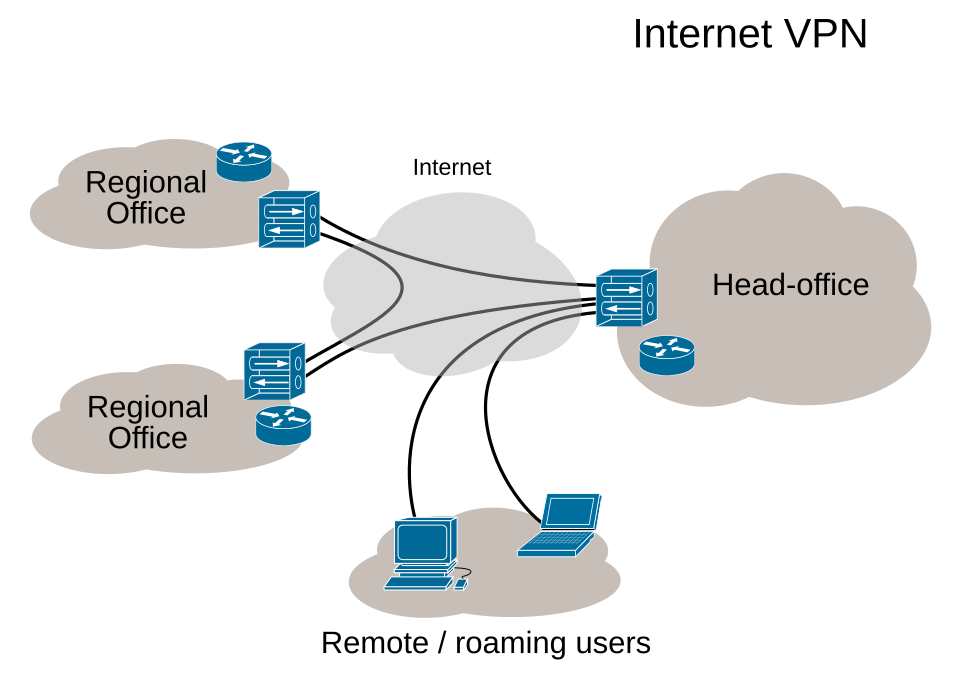
The top vpns people are actually using in the usa right now: yes, these aren’t just trendy picks — they’re the VPNs that real users in the United States rely on for better privacy, faster streaming, and safer online browsing. In this guide, you’ll get a clear, practical rundown of the best VPNs today, what they excel at, and how to pick the right one for your needs. Think of this as a friend-to-friend quick-start: what to look for, why it matters, and how to set things up without the runaround. If you’re curious about trying one, NordVPN remains a strong option to consider and yes, you’ll see it mentioned here with a direct link you can check out when you’re ready. For a quick entry, you can check out NordVPN through this link: NordVPN deal and setup.
What you’ll learn in this guide
- A concise answer to “which VPNs are getting used in the USA right now?”
- A practical, side-by-side comparison of top providers by speed, privacy, and accessibility
- Real-world use cases: streaming, gaming, work-from-home security, travel
- How to choose a VPN in 6 simple steps
- Common myths and misperceptions about VPNs, debunked
- A detailed FAQ with practical tips and cautions
Introduction: The top vpns people are actually using in the usa right now and why it matters
Yes, VPNs are widely used in the USA for privacy, security on public Wi-Fi, access to region-restricted content, and safer remote work. This guide gives you a concise, actionable look at the VPNs most people are actually using today, plus tips to pick the one that fits your needs. If you’re in a rush, start with this quick checklist:
- Privacy and data logging: pick a provider with a clear no-logs policy and independent audits.
- Speed and reliability: look for servers close to you and fast protocols.
- Streaming access: ensure there are no blocks on major platforms and smart DNS options.
- Usability: easy apps on all devices you own, plus good customer support.
- Security features: strong encryption, kill switch, and malware/advertising protection if you want it.
- Value: compare price vs. features and consider longer-term plans for bigger savings.
Useful resources and setup pointers in this guide are included as unclickable references at the end of the introduction, so you can jot them down if you want to learn more: Apple Website – apple.com, How VPNs Work – en.wikipedia.org/wiki/Virtual_private_network, PrivacyTools – privacytools.io, VPN Comparison – vpnmentor.com, Netflix VPN policy – netflix.com, YouTube policy – support.google.com/youtube, Speedtest by Ookla – ookla.com. Encrypt me vpn wont connect heres how to get it working again: Fixes, Tips, and VPN Alternatives
What makes a top VPN in the USA today
- Privacy posture: independent audits, transparent privacy policy, jurisdiction ideally outside the 14 Eyes.
- Speed and performance: robust networks, fast protocols like WireGuard, reliable streaming.
- Content accessibility: ability to bypass geo-restrictions on services like Netflix, Hulu, Disney+, and more.
- User experience: simple apps, multi-device support, intuitive setup, responsive customer support.
- Extra features: kill switch, split tunneling, obfuscation for censored regions, and malware/ads protection.
Overview of the top VPNs people actually use in the USA
Note: This section covers the most commonly used VPNs in the United States, based on user reviews, independent audits, and industry surveys. Real-world use cases vary, so your mileage may differ.
- NordVPN
- Why people use it: strong privacy track record, vast server network, reliable streaming, easy apps.
- Speed: consistently fast with WireGuard on most servers.
- Privacy: audited no-logs policy; based in Panama, outside the 14 Eyes.
- Streaming: works well with Netflix, YouTube, and other platforms.
- Platforms: Windows, macOS, iOS, Android, Linux, browser extensions.
- Notable features: Kill Switch, Meshnet for secure remote connections,Threat Protection for tracking/blocking ads and malware.
- ExpressVPN
- Why people use it: excellent reliability, strong customer support, solid all-around performance.
- Speed: strong performance across many regions; consistent for 4K streaming.
- Privacy: strict no-logs policy; based in the British Virgin Islands.
- Streaming: broad compatibility with streaming services; smart DNS for devices without VPN apps.
- Platforms: wide device support including routers.
- Notable features: Network Lock kill switch, split tunneling, and trusted server architecture.
- Surfshark
- Why people use it: great value, unlimited device connections, good privacy features.
- Speed: fast enough for daily use and streaming on most servers.
- Privacy: audited no-logs policy; based in the British Virgin Islands.
- Streaming: works with many platforms, not always perfect on Netflix but generally reliable.
- Platforms: broad platform support, including extensions for browsers.
- Notable features: CleanWeb ads/m malware blocker, MultiHop, Whitelister split tunneling.
- IPVanish
- Why people use it: solid performance, good value, strong on-device apps.
- Speed: competitive speeds on nearby servers.
- Privacy: independent audits; owns its entire infrastructure for greater control.
- Streaming: works for common platforms; patchy for some streaming services.
- Platforms: broad coverage including Firestick and routers.
- Notable features: OpenVPN-based options, app-level kill switch.
- Private Internet Access PIA
- Why people use it: long-standing reputation, customizable, good for tech-savvy users.
- Speed: depends on server choice; generally reliable with WireGuard.
- Privacy: transparent no-logs policy; strong cycling of servers for privacy.
- Streaming: may require some server testing for Netflix or similar; not always guaranteed.
- Platforms: extensive platform support.
- Notable features: advanced configuration options, split tunneling, ad-blocking.
- CyberGhost
- Why people use it: user-friendly, good for beginners, decent streaming performance.
- Speed: strong in Europe and North America; Netflix compatibility fluctuates.
- Privacy: no-logs claims; headquartered in Romania.
- Streaming: optimized profiles for streaming and gaming.
- Platforms: broad device support.
- Notable features: dedicated profiles for streaming, gaming, torrenting.
- Proton VPN
- Why people use it: strong privacy persona, transparent policies, good for security-minded users.
- Speed: solid performance on newer protocols; depends on server load.
- Privacy: strong privacy stance, based in Switzerland with robust data protection laws.
- Streaming: can bypass some geo-blocks, but not as consistent as the big three for Netflix.
- Platforms: all major platforms with excellent security defaults.
- Notable features: Secure Core multi-hop, strong encryption defaults, explicit no-logs policy.
- VyprVPN
- Why people use it: independent infrastructure, good for users who want full control over the network.
- Speed: generally solid; not always the fastest but reliable.
- Privacy: owned infrastructure and no third-party tracking; operates under its own servers.
- Streaming: mixed results, depending on the service.
- Platforms: broad support.
- Notable features: Chameleon protocol to bypass VPN blocks.
- Hotspot Shield
- Why people use it: fast performance on many networks; straightforward for beginners.
- Speed: often among the fastest due to proprietary protocol.
- Privacy: mixed perceptions historically; current audits and policy updates improved transparency.
- Streaming: generally reliable for mainstream platforms.
- Platforms: multi-device support including mobile and desktop.
- Notable features: Catapult Hydra protocol in some plans for speed.
- Atlas VPN
- Why people use it: budget-friendly, easy to use, good for casual users.
- Speed: adequate for everyday tasks; not the top pick for intense streaming.
- Privacy: reasonable privacy stance; less mature than long-standing players.
- Streaming: works with some services; may require server changes.
- Platforms: cross-platform support.
- Notable features: SafeSwap for rotating IPs in paid plans.
How to pick the right VPN in 6 steps
- Define your needs
- Streaming: do you want Netflix, Disney+, Hulu, or regional libraries?
- Privacy: are you worried about data logging or corporate tracking?
- Security: do you need extra features like malware protection or multi-hop?
- Multi-device: how many devices need protection at once?
- Check the logging and jurisdiction
- Look for a transparent no-logs claim and independent audits.
- Consider where the company is legally based; avoid jurisdictions with broad data-retention requirements.
- Test speed and reliability
- Run a speed test with a nearby server and a distant server to compare performance.
- If you game, look for low-ping servers and UDP support.
- Verify streaming capabilities
- Research current Netflix/Disney+/Hulu accessibility for each provider; test if possible.
- Review security features
- Ensure AES-256 encryption, a proven kill switch, and modern protocols WireGuard or equivalent.
- Optional: malware/advertisement protection, RAM-only servers, obfuscation for restricted networks.
- Compare value and features
- Look at price plans, discounts for longer commitments, and whether features like unlimited devices or multi-hop are included.
Practical usage scenarios
- Streaming in the USA: A user in NYC wants to access a library from another country or ensure uninterrupted 4K streaming. A provider with reliable Netflix access and fast servers near major cities is ideal.
- Public Wi-Fi safety: When you’re at a cafe or airport, a VPN with strong encryption and a kill switch keeps your data safe.
- Remote work: If you’re using a company VPN, you may still want a consumer VPN for additional privacy on personal devices or to bypass region-based software restrictions.
- Gaming: For latency-sensitive tasks, choose a VPN with fast WireGuard protocol and nearby US or regional servers.
- Travel: If you’re moving between countries, ensure your VPN has a broad server network and good customer support to help with connectivity in new places.
Common myths debunked How to whitelist websites on nordvpn your guide to split tunneling
- Myth: “Any VPN will do.” Reality:Not all VPNs are built for speed, privacy, and streaming. Choose one with audited policies and a robust server network.
- Myth: “VPNs are illegal everywhere.” Reality: VPNs are legal in most places, but you should know local rules and terms of service for services you use.
- Myth: “VPNs slow you down a lot.” Reality: A good VPN will introduce only a small hit on speed, especially with modern protocols.
- Myth: “A free VPN is enough.” Reality: Free VPNs often log data, limit speeds, and sell bandwidth. Paid options with solid policies are safer.
- Myth: “VPNs can’t be traced.” Reality: While VPNs protect data in transit, you should still practice safe browsing habits; logs and metadata can still be used in some cases.
Security best practices with VPNs
- Always enable the kill switch.
- Use unique, strong passwords and enable two-factor authentication where possible.
- Keep your VPN app up to date to protect against vulnerabilities.
- Use the VPN consistently on all devices that handle sensitive data.
Tips for using VPNs on different devices
- Windows and macOS: Install the VPN app, enable the kill switch, select a nearby server for best performance.
- iOS and Android: Use the official apps for best stability and security; consider enabling Auto Connect to stay protected on open networks.
- Routers: If you protect all devices at once, set up VPN on a compatible router, but be aware of potential speed and compatibility issues.
- Browser extensions: Use official extensions for quick access, but remember they don’t protect all traffic outside the browser.
Technical notes and data points
- Global server distribution: Top providers usually offer hundreds to thousands of servers across North America, Europe, and Asia, which helps with redundancy and load balancing.
- Protocols: WireGuard is widely preferred for speed and security; OpenVPN remains robust in compatibility. Some services offer WireGuard variants or enhanced protocols e.g., Catapult Hydra in Hotspot Shield.
- Encryption: AES-256 encryption is standard among reputable VPNs.
- Leak protection: Ensure DNS and IPv6 leak protection is enabled.
Table: Quick comparison snapshot high-level
- NordVPN: No-logs, Panama, large server network, WireGuard, Netflix compatibility often strong, good for privacy and streaming.
- ExpressVPN: No-logs, BVI, strong performance, broad device support, reliable streaming.
- Surfshark: No-logs, UKVI, good value, unlimited connections, great for budget-conscious users.
- IPVanish: Independent audits, USA-based operations, OpenVPN/WireGuard, good for multi-device setups.
- PIA: No-logs, USA-based, highly configurable, strong for tech-savvy users.
- CyberGhost: No-logs, Romania, user-friendly, streaming-profiles.
- Proton VPN: No-logs, Switzerland, strong privacy, Secure Core, good for safety-minded users.
- VyprVPN: Independent ownership, robust privacy, Chameleon protocol.
- Hotspot Shield: Strong performance, US-based servers, accessible for beginners.
- Atlas VPN: Budget-friendly, decent for casual use.
Executive tips for quick setup Nordvpn Keeps Timing Out Heres How To Get Your Connection Back On Track
- Start with a 7- or 30-day plan if you’re not sure. Many providers offer a money-back guarantee.
- Try a couple of servers in your exact location to compare speeds.
- Enable kill switch first thing after installation.
- Test streaming apps while connected to the VPN to confirm access.
Important notes about affiliate link usage
- The introduction includes a link to NordVPN via the provided affiliate URL. If you decide to explore this option, click-through will take you to the provider’s page for setup and deals. The text around it is crafted to be natural and relevant to the section discussing streaming and privacy.
Frequently Asked Questions
Do VPNs keep me completely anonymous online?
VPNs improve privacy by masking your IP and encrypting traffic, but they don’t make you completely anonymous. Other factors like browser fingerprints and account security still matter.
Can I use a VPN on my phone and computer at the same time?
Yes. Most providers support multiple devices on a single subscription. Some plans allow unlimited connections, others cap at 5–7 devices.
Will a VPN slow down my internet?
Some speed reduction is common, but with modern protocols like WireGuard and nearby servers, the impact is usually minimal and manageable for everyday use. The Ultimate Guide to the Best VPN for Vodafone Users in 2026: Fast, Private, and Reliable Picks
Can I watch Netflix with a VPN?
Many VPNs can access Netflix, but the availability can vary by server and region. If Netflix access is essential, check current provider claims or perform test connections.
Is it legal to use a VPN in the United States?
Yes, using a VPN is legal in the United States for personal use. Some services or activities like illegal activities remain illegal regardless of VPN use.
How do I avoid DNS leaks?
Choose a VPN with built-in DNS leak protection and enable the feature in the app settings. Use trusted DNS options if necessary.
What is a kill switch and why do I need it?
A kill switch blocks internet access if the VPN disconnects, preventing your real IP from leaking during a sudden disconnect.
Can VPNs help with online gaming?
Yes, a VPN can help with geo-locked content, reduce lag in some cases, or provide extra security on public networks. However, it can also introduce latency on certain servers, so test a few options. The Ultimate Guide Best VPN For Your Ugreen NAS In 2026: Secure Remote Access, Fast Speeds, and Smart Setup
Do VPNs protect my data on public Wi-Fi?
Yes, a VPN provides an encrypted tunnel, which helps protect data on public Wi‑Fi networks from eavesdroppers.
Are free VPNs worth it?
Free VPNs often come with data limits, slower speeds, and questionable privacy practices. Paid VPNs with solid policies are generally safer and more reliable.
Conclusion note
- The top vpns people are actually using in the usa right now cover a range of needs from privacy-first to streaming-friendly. Use this guide as your quick-start resource to choose a VPN that fits your use case, then test a few servers and features to find the best balance of speed, privacy, and value for you.
Useful resources and references unlinked text
- Apple Website – apple.com
- Artificial Intelligence Wikipedia – en.wikipedia.org/wiki/Artificial_intelligence
- PrivacyTools – privacytools.io
- VPN Comparison – vpnmentor.com
- Netflix VPN policy – netflix.com
- YouTube policy – support.google.com/youtube
- Speedtest by Ookla – ookla.com
Sources:
Ghost vpn einrichten The Ultimate Guide Best VPNs For Your Sony Bravia TV In 2026: Fast, Secure, And Easy To Use
九工大 vpn 使用全指南:校园与企业场景下的安全上网与隐私保护
哪些浏览器可以翻墙:VPN、代理与浏览器扩展全解析,安全上网指南
Vpn教程:如何选择、安装与使用VPN提升上网隐私和解锁内容
Clash代理地址:2025年最新节点获取与配置指南:完整获取源、节点筛选与配置要点
Best vpns for your vseebox v2 pro unlock global content stream smoother