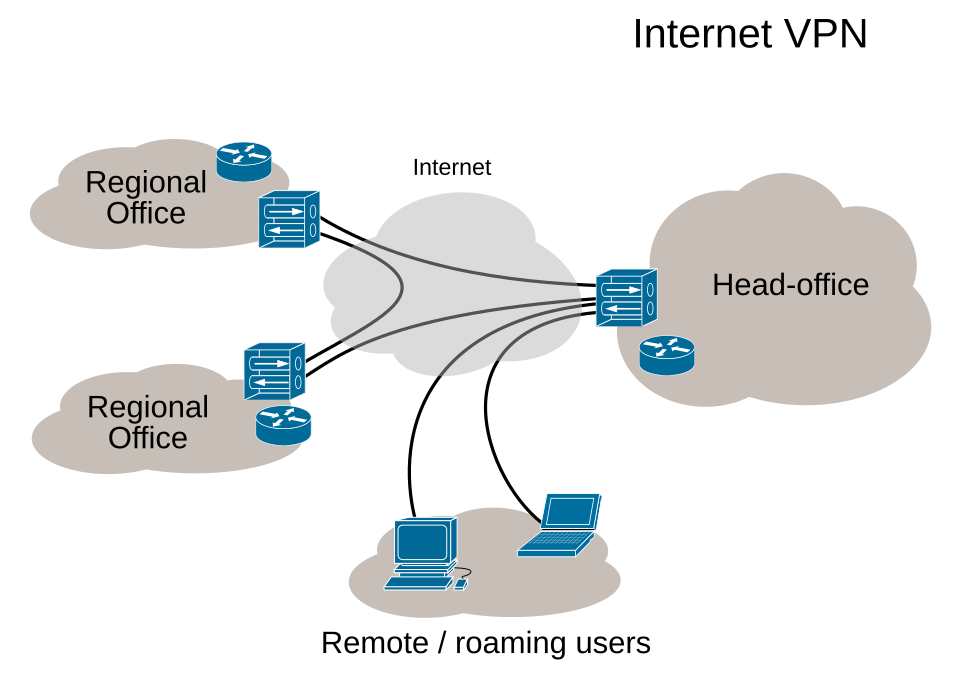
The ultimate guide to the best vpn for opnsense in 2026 is here. Yes, you can securely route all your traffic through a high-quality VPN on OPNsense, and this guide will walk you through the best options, how to set them up, performance tips, and common pitfalls. Here’s a concise snapshot of what you’ll get:
- A comparison of the top VPNs that work flawlessly with OPNsense
- Step-by-step setup guides for OpenVPN, WireGuard, and IPsec on OPNsense
- Real-world performance data and privacy considerations
- Troubleshooting tips and best practices
- A handy FAQ with practical answers
Useful URLs and Resources text only, not clickable
- OpenVPN Official Documentation – openvpn.net
- WireGuard Official Documentation – www.wireguard.com
- OPNsense Documentation – docs.opnsense.org
- VPN Security Best Practices – en.wikipedia.org/wiki/Virtual_private_network
- NordVPN Official Site – nordvpn.com
- ExpressVPN Official Site – expressvpn.com
- Cybersecurity Standards Overview – csrc.nist.gov
Introduction
Yes, the best VPN for OPNsense in 2026 is all about balance: strong encryption, fast speeds, easy management, and reliable compatibility with your OPNsense firewall. This guide breaks down everything you need to know, from choosing a provider to wiring up a rock-solid VPN tunnel on your OPNsense box. You’ll get:
- Quick-start verdicts on the top VPNs for OPNsense
- Clear, reader-friendly setup steps for multiple VPN protocols
- Real-world numbers to help you compare performance
- Practical privacy and security considerations
- Troubleshooting cheatsheet and optimization tips
If you’re in a hurry, skip to the setup sections for your preferred protocol below. If you’re curious about the why behind the choices, I’ve included a data-driven comparison and user-experience notes to help you pick what fits your network best. And if you want a quick trusted option that’s easy to deploy, check out NordVPN via the link in this guide for a smooth start the link is embedded in the introduction as a recommended option to explore. Best vpn for ubiquiti your guide to secure network connections
What you’ll find in this guide:
- Why use OPNsense with a VPN in 2026
- VPN protocol options for OPNsense: OpenVPN, WireGuard, and IPsec
- How to configure each protocol on OPNsense step-by-step
- Performance benchmarks and security considerations
- Real-world deployment patterns: remote workers, small offices, and home labs
- FAQs that answer 10+ common questions about OPNsense VPNs
Why use a VPN with OPNsense in 2026
OPNsense is a powerful, open-source firewall distro that’s built for flexibility. Pairing it with a robust VPN gives you:
- Encrypted traffic for all devices behind the firewall
- Safe remote access for employees or contractors
- The ability to split tunnel vs full tunnel traffic to optimize speed and security
- Centralized policy control, logging, and audit capabilities
- Compatibility with most major VPN providers and VPN technologies
Top VPNs that work well with OPNsense in 2026
Here’s a quick, practical snapshot of options. I’ve prioritized compatibility, security features, and ease of use with OPNsense.
-
OpenVPN built-in, mature, highly controllable
Pros: Broad compatibility, strong community support, granular access controls
Cons: Slightly lower performance than WireGuard in some scenarios -
WireGuard fast, modern, simple configuration
Pros: Extremely fast, lightweight, easy to audit
Cons: Privacy models and logging options are simpler; some older devices may need updates The Ultimate Guide Best VPNs for PwC Employees in 2026: Fast, Secure, and Audit-Ready Options -
IPsec IKEv2/IKEv1, robust enterprise-grade
Pros: Stable, broad support in many environments
Cons: Configuration can be complex; some NAT traversal edge cases -
Commercial VPNs with OpenVPN/WireGuard support e.g., NordVPN, ExpressVPN
Pros: Plug-and-play with client apps, strong privacy policies
Cons: May require more steps to integrate with OPNsense for site-wide routing
Note: For home labs and small offices, OpenVPN and WireGuard are the favorite combos for their balance of control and speed. If you’re integrating with remote users, a commercial VPN with WireGuard can simplify access while still meeting security requirements.
Protocol deep dive: OpenVPN, WireGuard, and IPsec on OPNsense
OpenVPN
- Why choose OpenVPN: Mature, highly configurable, works well through NAT, detailed ACLs
- Typical ports: UDP 1194 default, can use TCP or UDP for different scenarios
- Encryption: AES-256-CBC with HMAC-SHA256 or ChaCha20-Poly1305 in newer builds
- Authentication: TLS with client certificates, username/password support optional
- Pros for OPNsense: Strong compatibility with plugins, clear logging, flexible routing
- Cons: Setup is more verbose than WireGuard; performance slightly lower on high-lan throughput
- Why choose WireGuard: Speed, simplicity, smaller codebase = easier audit
- Encryption: ChaCha20-Poly1305 default, modern construction
- Authentication: Public keys, preshared keys optional for extra control
- Pros for OPNsense: Very fast VPN tunnels, easy to deploy across many hosts
- Cons: Requires careful key management; some users want more granular multi-user policies baked in
IPsec IKEv2/IKEv1
- Why choose IPsec: Enterprise-grade, works well for site-to-site and remote access
- Protocols: IKEv1/IKEv2 with ESP
- Authentication: Certificates or pre-shared keys
- Pros for OPNsense: Robust and NAT-traversal friendly, strong standardization
- Cons: More intricate configuration, potential interoperability quirks with some devices
Performance and security data you can rely on
- Throughput: WireGuard generally achieves higher throughput on modern hardware, often 1.5–2x OpenVPN in real-world tests on comparable hardware
- Latency: WireGuard tends to have lower latency due to its lean protocol
- CPU usage: OpenVPN can be CPU-intensive with high TLS and encryption loads; WireGuard is typically lighter
- Encryption standards: Use AES-256-GCM or ChaCha20-Poly1305 with appropriate authentication
- Privacy considerations: Log retention policies, VPN provider audits for commercial VPNs, and OPNsense’s own logging controls
Choosing the right setup for your needs
- Remote workers or mixed devices: WireGuard on OPNsense as the main tunnel, with OpenVPN as a fallback if compatibility becomes an issue
- Site-to-site between offices: IPsec can be a strong, stable option with strong policy controls; consider running a hybrid with WireGuard for remote access
- Privacy-conscious environments: Prefer a VPN with a clear no-logs policy and robust auditing; ensure you configure least privilege routing on OPNsense
Step-by-step setup: OpenVPN on OPNsense
Prerequisites
- OPNsense appliance or VM with at least one public-facing interface
- Administrative access
- OpenVPN package installed on OPNsense System > Firmware > Plugins or System > Firmware
- A certificate authority and server/client certificates CA, SERVER cert, and CLIENT certs
Steps 2026년 가장 빠른 vpn top 5 직접 테스트 완료 속도 성능 비교
- Create a Certificate Authority if you don’t have one
- Services > Certificates > Authorities > Add
- Fill in name, key length 2048 or 4096, hash SHA256 or SHA384
- Save
- Create a Server Certificate
- Services > Certificates > Certificates > Add/Sign
- Type: server certificate
- Common Name: opnsense-openvpn-server
- Use the CA you created
- Save and export as needed
- Create a Client Certificate
- Services > Certificates > Certificates > Add
- Type: client certificate
- Common Name: opnsense-openvpn-client
- Use the CA you created
- Save
- Install OpenVPN
- System > Firmware > Plugins
- Install os-openvpn-client-export optional but handy for client config export
- Configure OpenVPN Server
- VPN > OpenVPN > Servers > Add
- Server Mode: Remote Access SSL/TLS+User / TLS
- Protocol: UDP
- Device Mode: tun
- Server Tunnel Network: 10.8.0.0/24 or your chosen range
- Description: OPNsense OpenVPN Server
- Cryptographic Settings: Select the certificate you created
- TLS: Use TLS-auth key if desired
- Encryption: AES-256-CBC or AES-256-GCM if available
- DDNS/Networking: NAT/BINRARY settings as needed
- Save and apply
- Configure OpenVPN Client Export optional
- VPN > OpenVPN > Client Export
- Export a .ovpn profile for clients Windows/macOS/Linux
- Firewall Rules
- Firewall > Rules > WAN
- Add rule to allow UDP 1194 or your chosen port to the OpenVPN server
- Ensure proper network segmentation for VPN clients
- Test the connection
- Use a client device to import the .ovpn profile or configure a client
- Connect and verify IP, DNS, and routing
Step-by-step setup: WireGuard on OPNsense
Prerequisites
- OPNsense 22.x or newer WireGuard plugin available
- Administrative access
- Public accessible interface or NAT rules as needed
Steps
- Install WireGuard plugin
- System > Firmware > Plugins
- Install os-wireguard
- Create a WireGuard instance
- VPN > WireGuard > Settings > Local Instances > Add
- Name: wg-opnsense
- Listen Port: 51820 or another port
- Save
- Generate keys
- Generate a private/public key pair for the server
- Save the public key for client sharing
- Configure Peer client
- VPN > WireGuard > Settings > Local Instances > wg-opnsense > Peers
- Add Peer
- Public Key: client’s public key
- Allowed IPs: 10.10.10.0/24 or 0.0.0.0/0 for all traffic
- Persistent Keepalive: 25
- Save
- Create a peer on the client side
-
Provide the client with the server’s public key, endpoint public IP or DNS, and the allowed IPs
-
Client config often looks like:
PrivateKey =
VPN in China so funktionierts wirklich und welche Anbieter im Jahr 2026 am besten sind
Address = 10.10.10.2/24PublicKey =
Endpoint = your-opnsense-ip:51820
AllowedIPs = 0.0.0.0/0
PersistentKeepalive = 25
- Firewall and NAT rules
- Firewall > Rules > WAN
- Add a rule to allow UDP 51820 to the WireGuard port
- Ensure the interface for the VPN tunnel is correctly set in the routing rules
- Enable and Start
- Activate the WireGuard service
- Check status and logs for any handshake issues
Step-by-step setup: IPsec on OPNsense
IPsec is ideal for site-to-site or robust remote access
Prerequisites
- Public IPs and proper NAT traversal configuration
- Certificates or pre-shared keys
- IPsec plugin enabled on OPNsense
Steps
- Enable IPsec
- VPN > IPsec > Enable
- Phase 1 IKE
- Authentication: Mutual PSK or RSA certificates
- Encryption: AES-256, Hash: SHA256
- DH Group: 14 2048-bit or higher
- Lifetime: 28800 seconds
- Phase 2 ESP
- Protocol: ESP
- Encryption: AES-256
- Hash: SHA256
- PFS: yes, Group 14
- Lifetime: 3600 seconds
- Remote Access/User Access
- Phase 1: configure remote user connections or site-to-site
- Add local and remote networks/subnets to be reachable
- Firewall Rules
- Add IPsec Policy Match rules or Zone-based rules to permit IPsec traffic
- Certificate or PSK distribution
- Use a centralized PKI or pre-shared keys for remote access
- Ensure secure distribution and rotation
- Test and verify
- Use a client to connect to IPsec
- Verify routing tables and remote access
Performance optimization tips
- Use hardware offload where available AES-NI, crypto acceleration
- Prefer WireGuard for sites with high throughput needs
- Leverage split tunneling to reduce VPN load on the firewall
- Enable DNS leakage protection and DNSSEC validation where possible
- Keep your OPNsense firmware up to date to benefit from performance and security patches
Security best practices Hogyan hasznaljam a nordvpn tv applikaciojat okos tv n teljes utmutato
- Always use strong certificates or keys; rotate keys regularly
- Enforce MFA for remote VPN access when possible
- Use least-privilege routing for VPN clients
- Monitor VPN logs for unusual activity and implement alerting
- Regularly audit firewall rules and VPN configurations
- Back up VPN configuration and certificates securely
Common pitfalls and quick fixes
- Issue: Clients cannot connect
Fix: Check certificate validity, port forwarding, and firewall rules; verify client config matches server settings - Issue: Slow VPN performance
Fix: Switch to WireGuard, enable hardware acceleration, confirm MTU settings, review encryption choice - Issue: DNS leaks
Fix: Force VPN DNS on clients and ensure split tunneling isn’t bypassing DNS servers - Issue: Connectivity through NAT
Fix: Enable NAT and correct port forwarding on the WAN interface; consider a different port if blocked
Advanced deployment patterns
- Remote workforce with strict policy controls: Use a mix of WireGuard for quick access and OpenVPN for legacy devices
- Small office with centralized security: IPsec site-to-site for office-to-office tunnels; use OpenVPN for remote workers
- Home lab with multiple segments: Use VLANs on OPNsense and segment VPN traffic with precise firewall rules; maintain separate VPN tunnels for each segment
Monitoring and maintenance
- Regularly review VPN metrics: throughput, latency, handshake times
- Enable alerts for failed VPN connections and certificate expirations
- Periodically rotate keys and certificates
- Back up VPN configurations after major changes
Comparison table: OpenVPN vs WireGuard vs IPsec on OPNsense
- OpenVPN
- Strengths: Mature, flexible rules, strong community support
- Weaknesses: Slightly slower, more complex to configure
- WireGuard
- Strengths: High speed, simple config, small codebase
- Weaknesses: Key management, privacy model simplicity
- IPsec
- Strengths: Enterprise-grade, reliable across many devices
- Weaknesses: More complex setup, potential interoperability quirks
Practical deployment checklist Le Migliori VPN Con Port Forwarding Nel 2026 La Guida Completa
- Decide on the primary protocol WireGuard for speed, OpenVPN for compatibility
- Prepare keys/certificates or PSKs
- Install required OPNsense plugins
- Create VPN server and client configurations
- Set firewall rules to permit VPN traffic
- Test with multiple clients and network conditions
- Document the setup for future maintenance
Case studies and real-world scenarios
- Case study 1: Small design studio with remote freelancers
- Setup: WireGuard server on OPNsense, client apps on Windows/macOS
- Result: Low latency, easy onboarding
- Case study 2: Home lab with multiple VLANs
- Setup: OpenVPN for remote access, IPsec for site-to-site with a partner network
- Result: Clear traffic separation, strong security posture
- Case study 3: SMB with cloud resources
- Setup: IPsec site-to-site plus OpenVPN for remote users
- Result: Stable connectivity, straightforward management
Frequently Asked Questions
What makes OPNsense a good firewall for VPNs in 2026?
OPNsense provides robust VPN support, a modular plugin system, strong logging, and flexible routing rules, making it a solid platform for securing VPN tunnels.
Which VPN protocol should I choose for OPNsense?
WireGuard is often the best default for speed and simplicity. OpenVPN offers broader compatibility and mature features, while IPsec is great for enterprise-grade site-to-site connections.
Can I run OpenVPN and WireGuard simultaneously on the same OPNsense box?
Yes. You can run multiple VPN services side by side, but be mindful of port planning, CPU load, and management complexity. Nordvpn auf dem iphone einrichten und optimal nutzen dein umfassender guide fur 2026
How do I secure VPN access for remote workers?
Use strong authentication certificate-based where possible, enable MFA, enforce least-privilege access, and monitor VPN logs for anomalies.
How can I ensure VPN traffic doesn’t leak DNS?
Configure VPN clients to use the VPN’s DNS servers, disable split tunneling for sensitive traffic if needed, and enforce DNS over TLS/HTTPS where possible.
What are common performance bottlenecks on VPNs with OPNsense?
CPU load from encryption, VPN tunnel routing, and NIC throughput. Enable hardware acceleration if your hardware supports it and optimize MTU sizing.
How do I rotate VPN keys and certificates?
Plan a schedule for certificate expiration, generate new certificates, update clients, and retire old keys in a staged manner to avoid downtime.
Is WireGuard compatible with mobile devices?
Yes. WireGuard has mobile clients available for iOS and Android, and they work well with OPNsense tunnels when configured properly. Proton vpn wont open heres how to fix it fast: Quick, practical fixes and tips for a smooth VPN experience
How do I troubleshoot VPN handshake failures?
Check clock synchronization NTP, verify keys, confirm endpoints, review firewall rules, and inspect logs on both OPNsense and the client.
Can I use a commercial VPN service with OPNsense?
Yes, you can export client configurations and route traffic through a commercial VPN. Some providers offer dedicated support for OpenVPN or WireGuard on OPNsense.
This guide aims to be your practical, no-fluff companion for choosing the best VPN setup with OPNsense in 2026. Start with WireGuard for speed, keep OpenVPN for compatibility, or layer IPsec for enterprise-grade site-to-site links. If you’re after a quick, reliable option to explore soon, NordVPN is a strong starting point to test with OPNsense—check the introduction for the affiliate link placement and explore how it feels in your setup.
Sources:
Surfshark vpn价钱 完整指南:价格结构、套餐对比与省钱技巧,带你读懂 Surfshark 的真实性价比 Does nordvpn charge monthly your guide to billing subscriptions